
How To
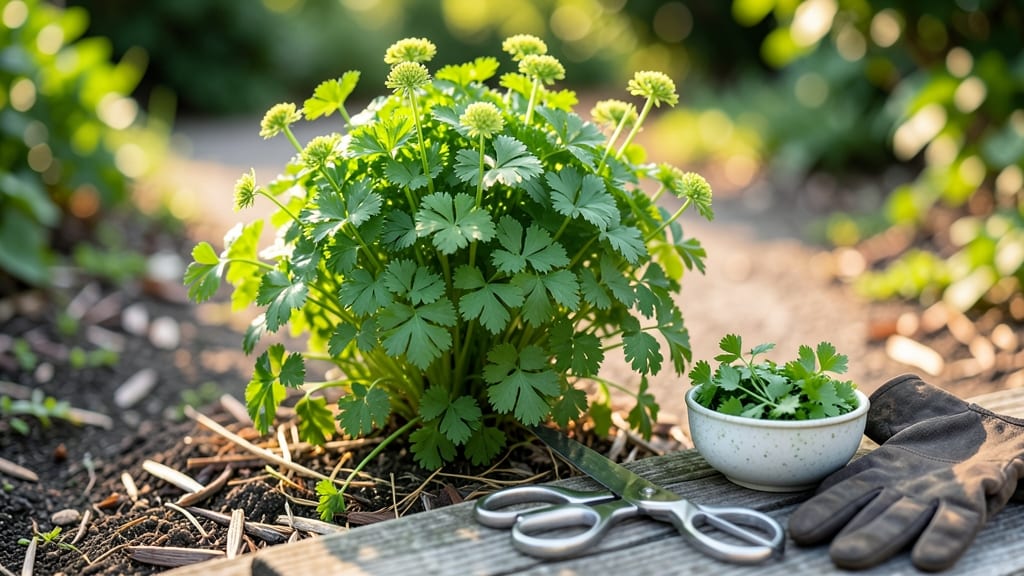
Harvesting fresh parsley the right way ensures your garden keeps producing vibrant, flavorful leaves all season long 🌿 — and it’s easier than you think.
Fresh parsley isn’t just a garnish—it’s a flavor powerhouse that thrives when harvested correctly. Many gardeners make the mistake of cutting too much at once, which can stunt regrowth or even kill the plant.
The key is timing, technique, and knowing how to encourage your parsley to bounce back stronger than ever.
Whether you’re a beginner or a seasoned gardener, learning the best time to harvest—morning vs. evening—and the proper cutting methods will make a world of difference in your parsley’s health and yield. Plus, I’ll share how to store your harvest so it stays crisp and aromatic until your next pick.
By the end of this guide, you’ll know exactly when to harvest for maximum flavor, how to cut without damaging the plant, and the simple tricks to keep your parsley thriving all season. Let’s get started!

When to harvest parsley for maximum flavor and regrowth
Harvesting parsley at the right time ensures maximum flavor and encourages healthy regrowth for a continuous supply. Unlike many herbs, parsley thrives when you cut it regularly, but timing matters—especially for flavor intensity and plant vitality.
The best window is morning after dew dries (between 8-10 AM), when essential oils are most concentrated. Evening harvests work too, but flavors may be slightly muted due to natural diurnal cycles.
Seasonal timing also plays a role. For spring-planted parsley, aim to start harvesting 60-75 days after sowing, once leaves reach 4-6 inches and stems firm up.
Fall-planted varieties can be harvested until the first frost (typically October-November in most climates). Overharvesting in late summer can stress plants before winter dormancy, so balance is key.
To maintain a vibrant parsley supply, never remove more than one-third of the plant in a single harvest. This rule prevents woody stems and encourages bushier growth. For example, if your parsley has 12 mature leaves, leave at least 8 behind after cutting.
This approach keeps your herb garden productive for months, not just weeks.
| Harvest Factor | Optimal Condition | Why It Matters |
|---|---|---|
| Time of Day | Morning (8-10 AM) | Essential oils peak after dew evaporates |
| Leaf Size | 4-6 inches tall | Balances flavor and regrowth potential |
| Season | Spring-Fall (avoid frost) | Prevents winter damage to roots |
| Harvest Frequency | Every 3-4 weeks | Encourages bushier, more productive growth |
| Plant Health | Never >1/3 of plant | Maintains energy for regrowth |
Did you know parsley's flavor intensifies when harvested just before flowering? The plant redirects energy to seed production, concentrating its aromatic compounds. Look for tiny flower buds forming—this is your cue to harvest within 1-2 weeks before they open.
After flowering, leaves become bitter, and regrowth slows dramatically. My garden's curly parsley always hits peak flavor this way, especially when paired with morning harvests and partial shade conditions.
For continuous harvests, plant parsley in succession every 2-3 weeks during spring and fall. This staggered approach ensures you always have fresh, tender leaves while older plants recover. In containers, parsley grows well in 5-6 inch pots, making it perfect for balconies or windowsills.
Just ensure pots have drainage holes to prevent root rot—a common issue when soil stays soggy.
Watch for visual cues that signal readiness: vibrant green leaves, sturdy stems, and a slightly woody texture at the base. Avoid harvesting when leaves appear yellowed or curled—this indicates stress from overwatering, underwatering, or pests.
A quick fix is to trim affected leaves and adjust your watering schedule to every 3-4 days during dry spells.
Pro tip: Use clean, sharp pruning shears (not kitchen scissors!) to make clean cuts just above a leaf node. This encourages new growth from that point. I keep a small pair dedicated to herbs to avoid cross-contamination.
For large batches, harvest outer stems first—they're more mature and won't stunt the plant's center.
In USDA Zone 6a, where I garden, parsley often bolts by late July if stressed. To delay bolting, provide consistent moisture and light afternoon shade during heatwaves. Mulching with straw helps retain soil moisture and keeps roots cool.
With these strategies, you can enjoy flavorful parsley from May through October—or even later with proper care.
Remember: Patience pays off. Rushing harvests leads to woody stems and bitter flavors, while strategic cutting rewards you with lush, productive plants for seasons. Start small, observe your parsley's growth patterns, and adjust your timing accordingly. Your taste buds—and your garden—will thank you! 🌿✂️
Step-by-step parsley harvesting methods: cutting vs. pinching
Harvesting parsley correctly ensures continuous growth and maximum flavor. The right technique prevents woody stems while maximizing your yield. Whether you use scissors, fingers, or shears, timing and precision matter most. Let’s break down the best methods to keep your parsley thriving.
Parsley regrows best when you follow the one-third rule: never remove more than one-third of the plant at once. This preserves the root system and encourages lush regrowth. For flat-leaf parsley, focus on harvesting the outer leaves, while curly parsley benefits from cutting entire stems.
Both methods work, but your choice depends on your plant’s maturity and your needs.
Harvesting Methods Comparison
- ✅ Best for young leaves
- ✅ Encourages bushier growth
- ✅ No tool required
- ❌ Slower for large harvests
- ✅ Faster for bulk harvesting
- ✅ Cleaner cuts prevent disease
- ✅ Works for mature stems
- ❌ Risk of damaging stems if too low
- Pinching: Small, frequent harvests
- Cutting: Large batches or mature plants
- Pinching: Clean fingers
- Cutting: Sharp scissors or pruners
For pinching, use your thumb and forefinger to gently twist off individual leaves or small stems. This method is ideal for small, frequent harvests and encourages the plant to grow denser foliage.
Always pinch just above a leaf node to promote new growth. Avoid pulling leaves—this can uproot tender stems and stress the plant.
When using scissors or shears, cut stems at a 45-degree angle, about 1-2 inches above a leaf node. This angle helps water run off and prevents rot. Sterilize your tools with rubbing alcohol before and after use to avoid spreading bacterial diseases.
For large harvests, cut entire stems rather than individual leaves to speed up the process.
After harvesting, rinse parsley in cool water and pat dry with a clean towel. Store it in a sealed container in the fridge for up to 1 week or freeze for longer storage. Regular harvesting keeps your parsley productive and flavorful all season long.
Pro tip: Harvest in the morning when leaves are most hydrated and flavors are at their peak. Avoid harvesting after heavy rain to prevent disease spread through wet foliage.