
How To
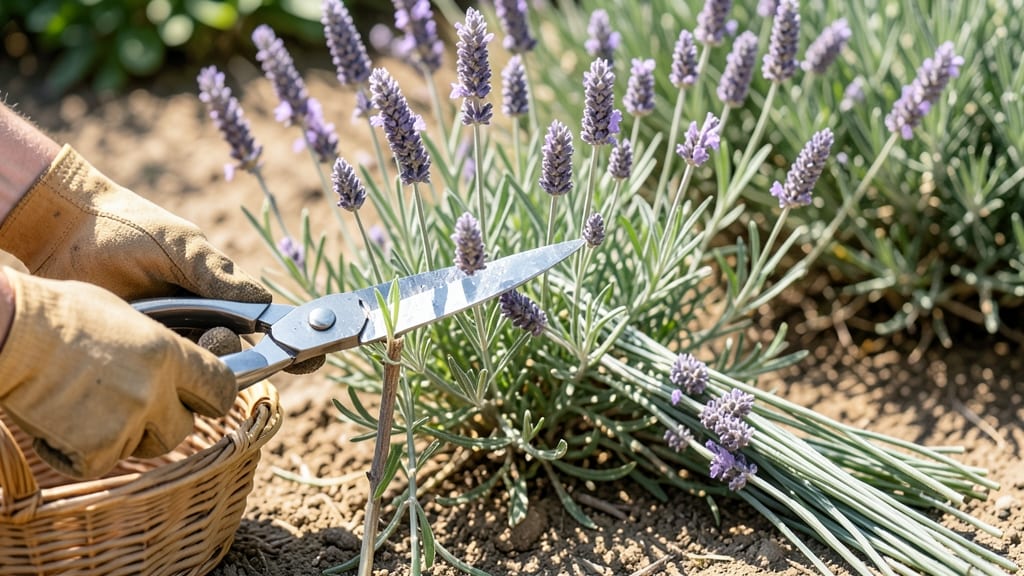
To harvest lavender at its peak, focus on cutting stems when buds are just opening and the scent is strongest—this is when the oil content and fragrance hit their highest levels.
Harvesting lavender at the right time and with the proper technique can transform your garden from a fragrant delight into a goldmine of essential oils and dried bundles—if you know the secrets.
Most gardeners miss the best window because they wait until the flowers are fully open, but that’s when the oil content starts to fade. Instead, aim for late morning on a dry, sunny day when the stems snap easily and the buds are deep purple but not yet blooming.
In this guide, I’ll walk you through the exact steps—from choosing the right tools to drying and storing your harvest—so you can enjoy lavender’s full potential for sachets, cooking, or even homemade remedies.

When to harvest lavender for maximum oil and floral quality
Timing your lavender harvest correctly is the secret to unlocking its full potential. The essential oil content peaks when buds are fully open but before they turn brown, ensuring both aromatic intensity and floral longevity.
Missing this window means lower oil yields and weaker fragrance in your dried bundles. Understanding the science behind lavender's growth cycle helps you align your harvest with nature's perfect timing.
Lavender typically enters its prime harvest window between late June and early September, depending on your climate zone.
In USDA Zone 6a, where frost-free days stretch from April 15 to October 15, the ideal harvest period falls during the hottest, driest months—when the plant's energy is focused on flower production rather than foliage growth. This alignment maximizes both oil content and floral quality.
For essential oil extraction, aim to harvest when 70-80% of buds are open but still purple. This stage ensures the highest linalool and linalyl acetate concentrations, the compounds responsible for lavender's signature scent and therapeutic properties.
Waiting until flowers fully bloom reduces oil potency by up to 30%, diminishing both commercial and culinary value.
Climate plays a crucial role in adjusting your harvest schedule. In cooler coastal regions, lavender may flower 2-3 weeks later than inland areas due to temperature differences. Observe your plants closely—deep purple color, strong fragrance, and easily bendable stems are your best indicators.
These visual cues confirm the plant is ready for harvest, regardless of calendar dates.
| Harvest Stage | Key Characteristics | Best For | Oil Content |
|---|---|---|---|
| Early Bud Stage | Bud tips just visible, stems firm | Dried culinary uses | Low (15-20%) |
| Prime Harvest Window | 70-80% open buds, deep purple, stems bend easily | Essential oils & drying | High (30-40%) |
| Full Bloom | All flowers open, may show brown tips | Ornamental bundles | Medium (20-25%) |
| Overripe | Brown flowers, woody stems, weak scent | Avoid | Very Low (<15%) |
Morning harvests yield the best results because essential oils are most concentrated after a full night's rest. The cool evening temperatures allow the plant to recharge its oil production overnight.
Cut stems just above a leaf node to encourage bushier growth and future flowering. This technique prevents woody stems while maintaining the plant's health for multiple harvest seasons.
Regional adjustments are essential for gardeners outside USDA Zone 6a. In warmer southern climates, lavender may begin flowering as early as May, while northern gardeners might extend their harvest into early October before frost.
Always prioritize visual cues over dates—a plant's readiness is more important than following a generic calendar.
For commercial essential oil production, harvest lavender in short, frequent sessions rather than one large cut. This approach maintains consistent oil quality and prevents stress on the plant.
Space harvests 4-6 weeks apart during the peak season to sustain production without compromising the plant's vigor. Proper spacing also reduces disease risk from overcrowded foliage.
After harvesting, process lavender immediately to preserve its aromatic compounds. Bundle stems and hang them in a dark, well-ventilated area with temperatures between 70-80°F. Proper drying takes 2-3 weeks and ensures the flowers retain their color and fragrance.
Rushed drying or exposure to direct sunlight can bleach the flowers and degrade their essential oils.
Remember that first-year lavender plants produce smaller harvests as they establish their root systems. Focus on plant health during their first growing season, and you'll see doubled yields in subsequent years. Patience in the early stages pays off with longer-lasting lavender bushes that continue producing high-quality blooms for decades.
Step-by-step lavender harvesting techniques for beginners
Harvesting lavender is one of the most rewarding parts of growing this fragrant herb. When done correctly, you'll preserve its aroma and essential oils for months. The key lies in using the right tools and techniques to avoid damaging your plants while maximizing yield.
Start by gathering your supplies: a pair of sharp pruning shears, a clean bucket, and a drying area with good air circulation. I always recommend harvesting on a dry morning after the dew has evaporated, as this helps the stems dry faster and prevents mold.
How to Harvest Lavender Like a Pro
- Step 1: Identify Ready Stems
Look for stems with fully open buds but no brown flowers. The flowers should be 1-2 inches long and have a deep purple color. Snap a stem—if it bends easily, it's ready!
- Step 2: Use Sharp Tools
Grab your pruning shears and cut stems at a 45-degree angle, leaving about 6 inches of growth. This encourages bushier plants next season.
- Step 3: Bundle for Drying
Gather 10-15 stems and tie them together with twine or a rubber band. Hang bundles in a dark, dry place with good airflow, like a garage or shed.
- Step 4: Dry Completely
Let the lavender dry for 2-3 weeks. It's ready when the stems snap easily and the flowers crumble between your fingers. Store in airtight containers away from light.
After harvesting, I always give my lavender plants a light trim to encourage new growth. Avoid cutting more than one-third of the plant at a time, as this can stress the shrub. If you're harvesting for essential oils, use fresh flowers immediately for the best results.
Pro tip: Store dried lavender in small muslin bags to keep pests away and maintain that signature scent. Place a few bundles in your closet or under pillows for a natural, relaxing aroma all year long.
Remember, consistent harvesting keeps your lavender looking lush and productive. With these techniques, you'll enjoy fragrant bundles and healthy plants for years to come. Happy harvesting! 🌿✂️🌸