
How To
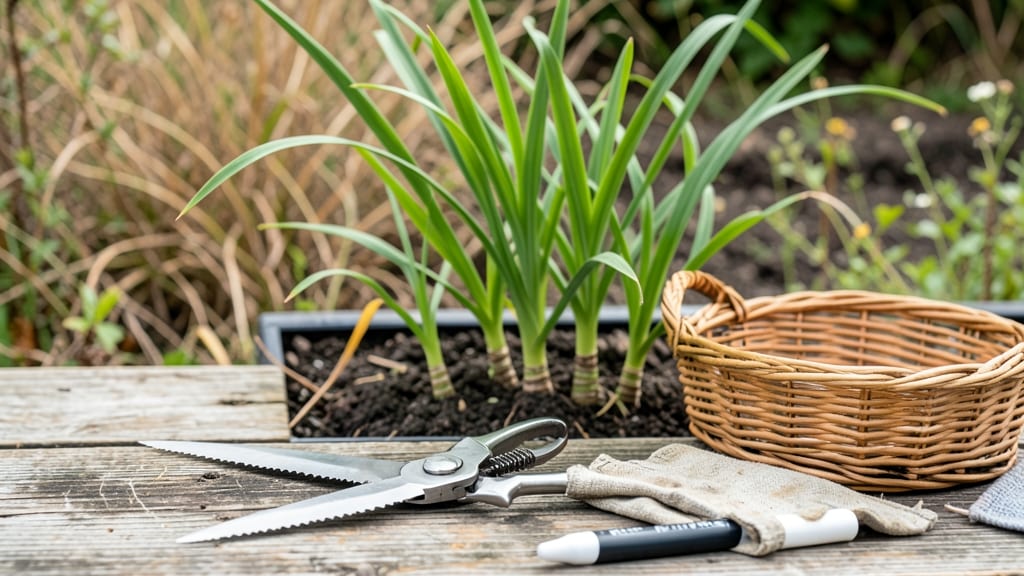
To harvest lemongrass for that bright, zesty flavor 🌿, you’ll want to cut the stalks at the right height and stage—or risk turning your kitchen herb into a sad, woody stick.
Picture this: you’ve nurtured your lemongrass for months, and now it’s time to reap what you’ve sown. But one wrong snip can mean the difference between a fragrant, citrusy boost for your stir-fry and a bitter, flavorless mess.
The secret? Timing, technique, and knowing exactly when (and how) to make that cut.
In this guide, I’ll walk you through the step-by-step process—from spotting the perfect stalks to storing your harvest so it stays fresh longer. Whether you’re a first-time grower or a seasoned gardener, these tips will help you maximize flavor and keep your lemongrass thriving for future harvests.
You’ll also learn how often you can harvest, what to do if you overdo it, and the best ways to preserve your bounty—whether you’re using it fresh, freezing it, or drying it for later. Let’s get started!

When and how to harvest lemongrass for peak flavor
Timing your lemongrass harvest is everything—cut too early, and you’ll get weak flavor; wait too long, and the stalks turn woody and bitter. The sweet spot? Harvesting when stalks reach 12-18 inches tall with vibrant green leaves and a strong citrus scent.
This usually happens 60-90 days after planting, but watch your plants closely, as growth speed depends on your climate and care.
Younger stalks (around 10-12 inches) are tender and packed with essential oils, but they’re also more delicate. Mature stalks (up to 3 feet tall) have deeper flavor but require sharper blades to cut cleanly.
I always prioritize young to mid-mature stalks for the best balance of potency and usability—whether I’m using them fresh or drying for later.
Seasonal timing matters too. In USDA Zone 6a, I start harvesting in late summer (August) and continue through early fall (October) before the first frost.
If you’re in a warmer zone, you might harvest year-round, but always avoid cutting after flowering—this is when the plant shifts energy from leaves to seeds, and flavor declines sharply.
Here’s the golden rule: Harvest before flowering. The moment you see a flower bud forming at the top of the stalk, it’s time to cut—otherwise, the oils that give lemongrass its signature zing will dissipate.
Pro tip: Crush a leaf between your fingers. If it smells strongly citrusy, it’s ready; if it’s faint or musty, wait a few more days.
| Harvest Stage | Stalk Height | Leaf Color | Flavor Intensity | Best For |
|---|---|---|---|---|
| Young | 10-12 inches | Bright green | Mild, fresh | Fresh cooking |
| Mid-Mature | 12-18 inches | Vibrant green | Bold, citrusy | Drying, freezing |
| Mature | 18-36 inches | Darker green | Strong, slightly bitter | Infusions, teas |
| Over-Mature | 36+ inches | Yellowing | Woody, bitter | Avoid |
For continuous harvests, never cut more than one-third of the stalks at a time. Lemongrass regrows from the base, and aggressive pruning can stress the plant or even kill it. After cutting, the remaining stalks will sprout new leaves within 4-6 weeks, giving you a second harvest.
I mark my calendar to rotate which stalks I cut each time to keep the plant balanced and productive.
Use a sharp pruning shear or clean kitchen knife to cut stalks about 2 inches above the base. This encourages bushier regrowth. Avoid tearing stems—rough cuts bruise the plant and invite disease.
If you’re harvesting multiple stalks, work from the outer edges inward to avoid shading the center, which can lead to weak growth.
After harvesting, rinse the stalks briefly under cool water to remove dirt, but don’t soak them—excess moisture speeds up spoilage. Pat dry with a clean towel or paper towels, then store them in the fridge wrapped in a damp paper towel inside a plastic bag.
This keeps them fresh for up to 2 weeks. For long-term storage, dry the stalks upside-down in a warm, dry place for 1-2 weeks until crisp, then strip and store the leaves in an airtight container.
One of my biggest mistakes early on was harvesting only the largest stalks and ignoring the smaller ones. Now, I prioritize thinner, younger stalks for their superior flavor and tender texture. These are perfect for curries, soups, and garnishes, while the thicker stalks work better for infusions or teas.
Rotating your harvests ensures you always have a mix of sizes ready to use.
If your lemongrass starts to flower or produce seed heads, it’s a clear sign to harvest everything remaining. The plant’s energy shifts to reproduction, and the leaves become less aromatic.
In my garden, I often let one stalk flower as a signal to harvest the rest aggressively before the entire plant bolts. This keeps my supply fresh and flavorful all season.
Step-by-step lemongrass harvesting process with pro tips
Harvesting lemongrass at the right time ensures you get the brightest citrus flavor and encourage healthy regrowth. I’ve learned that cutting too early or too late can turn those aromatic stalks into tough, bitter stems.
The key is patience—wait until the stalks reach 12-18 inches tall with vibrant green leaves and a strong citrus scent when crushed. This guide breaks down the exact process, from selecting stems to storing them properly.
Before you grab your pruners, gather a few essential tools: a sharp pair of clean pruning shears, a cutting board, and a plastic bag or container for storage.
I always keep a small spray bottle of water nearby to refresh the cut ends if I’m not using the lemongrass immediately. Pro tip: Work on a dry day to avoid muddying the soil, which can stress the plant.
How to Harvest Lemongrass: 5 Simple Steps
-
Step 1: Select the Right Stalks
Choose stalks that are 12-18 inches tall, upright and firm, and have a strong citrus scent. Avoid stalks that are flowering or have yellowing leaves. -
Step 2: Make a Clean Cut
Use sharp pruning shears to cut the stalk about 2 inches above the soil line. This encourages new growth from the base. Cut at a 45-degree angle to increase surface area for regrowth. -
Step 3: Trim the Leaves
Remove the lower 3-4 inches of leaves, as these can be tough and fibrous. Keep the upper 10-12 inches for cooking, as this is where the most flavorful part resides. -
Step 4: Store Properly
For short-term use (1-2 weeks), wrap the stalks in a damp paper towel and store in a plastic bag in the fridge. For long-term storage, dry the stalks in a warm, dry place for 1-2 weeks before storing in an airtight container. -
Step 5: Encourage Regrowth
After harvesting, water the base of the plant and apply a light layer of compost to nourish the soil. Avoid over-fertilizing, as this can lead to soft, weak stalks with less flavor.
One mistake I see often is harvesting too many stalks at once, which can weaken the plant. I recommend harvesting no more than 3-4 stalks per plant every 2-3 months to maintain its health.
If you’re growing lemongrass in a pot, be extra cautious—over-harvesting can stunt growth entirely. Always leave at least 3-5 stalks to ensure the plant continues thriving.
To test if your lemongrass is ready for harvest, gently crush a leaf between your fingers. If it releases a strong, citrusy aroma, it’s perfect for picking. If it smells faint or earthy, wait a few more weeks.
I’ve found that harvesting in the morning yields the freshest flavor, as the oils are most concentrated after a night’s rest.
After harvesting, I like to rinse the stalks briefly under cool water to remove any dirt, then pat them dry with a clean towel. This step is crucial if you’re planning to store them in the fridge, as moisture can lead to mold or spoilage.
For drying, bundle the stalks together with a rubber band and hang them upside down in a well-ventilated area away from direct sunlight.
With these steps, you’ll enjoy fresh, flavorful lemongrass all season long—whether you’re using it in teas, soups, or marinades. Happy harvesting! 🌿