
How To
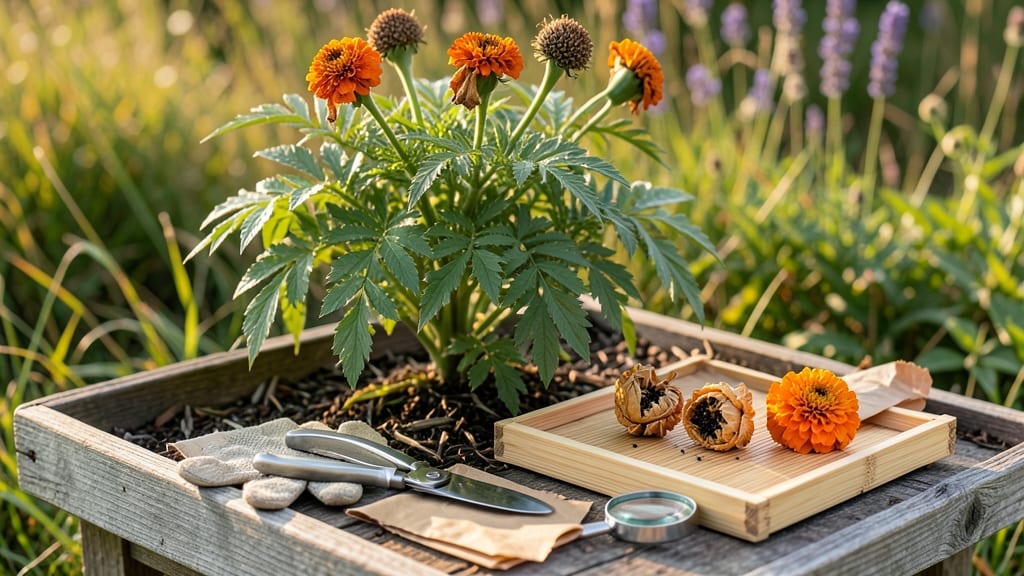
Harvesting marigold seeds at the right time ensures strong germination for next year’s 🌼 blooms—and skipping this step can leave you with seeds that won’t grow.
You might think any old seed pod will do, but timing is everything. Too early, and the seeds aren’t fully mature; too late, and they’ve already scattered across your garden. The key is watching for those telltale brown, dry pods that split open on their own.
In this guide, I’ll walk you through the exact signs to look for—when to pick, how to dry them properly, and even how to test their viability. No more wasted seeds or guesswork!
By the end, you’ll know how to save marigold seeds like a pro, ready to replant and enjoy those bright blooms year after year.

When to harvest marigold seeds for maximum germination success
Timing is everything when harvesting marigold seeds. Picking them too early means underdeveloped seeds, while waiting too long risks losing them to birds or weather. The key is watching for visual cues that signal perfect ripeness.
Most marigolds—like the popular French marigold or African marigold—follow the same maturity pattern, but slight variations exist between varieties.
Start by observing the flower heads after they’ve finished blooming. Once the vibrant petals fade and turn brown, the plant shifts focus to seed production. This transition typically occurs in late summer to early fall, depending on your USDA hardiness zone.
In cooler climates (Zones 3-5), aim for September to October, while warmer regions (Zones 8-10) can harvest as late as November.
| Stage | Visual Cues | Action | Best Time |
|---|---|---|---|
| Early Bloom | Bright petals, green seed pods | Monitor daily | Summer |
| Late Bloom | Brown petals, pods turning brown | Check pods weekly | Late Summer |
| Ripe for Harvest | Dry brown pods, seeds dark inside | Harvest immediately | Fall (Aug-Oct) |
| Overripe | Pods split open, seeds scattered | Collect remaining seeds | Late Fall |
Look for dry, papery seed pods that feel brittle when touched—a sure sign maturity. The pods should also easily split open when gently squeezed, revealing dark, fully formed seeds inside.
If the pods stay green or feel firm, they’re not ready yet. African marigolds often produce larger seed heads, while French marigolds have smaller, more delicate pods that dry faster.
Another key indicator is the stem’s condition. When the stems holding the seed pods turn wooden and dry, it’s time to act. These stems should snap easily rather than bend.
If you ignore this signal, birds and squirrels will likely scatter your seeds before you can collect them. I’ve lost entire batches of Tagetes seeds this way—don’t let that happen to you!
Climate plays a huge role in harvest timing. In hot, dry regions like Arizona or California, marigolds mature faster, so start checking pods in August. Meanwhile, in cooler northern climates, like Minnesota or Maine, wait until September or October when frost isn’t imminent.
Always aim to harvest before the first frost, as freezing temperatures can kill seed viability.
Pro tip: Mark your calendar when you notice the first flower heads fade. This gives you a 3-4 week window to monitor the pods closely. In my Zone 7 garden, I set reminders for mid-September to ensure I don’t miss the harvest.
Use a small notebook to track which varieties ripen first—some, like ‘Bonanza’ marigolds, mature earlier than others.
One common mistake is harvesting seeds based solely on flower color. While faded petals are a starting point, they don’t guarantee seed readiness. Always inspect the pods—they should be completely dry and brown, not just slightly wilted.
I once harvested seeds from half-dry pods and ended up with a germination rate of only 30%. Since then, I’ve made it a rule to wait for full dryness.
For extended storage, prioritize seeds from the healthiest-looking plants. Avoid pods that show signs of mold, pests, or disease, as these can compromise seed quality.
Once harvested, store seeds in a cool, dry place (like a paper envelope in the fridge) to maintain viability for up to 3 years. Proper timing now means better germination and stronger plants next season.
If you’re growing marigolds for companion planting or natural pest control, don’t rush the harvest. The longer you leave seeds on the plant, the more time pests have to feed on them.
But if you’re saving seeds for next year’s garden, act quickly once the pods turn brown. Balance is key—harvest before the pods split open, but don’t wait until they’re overly brittle.
Step-by-step guide to properly collecting and drying marigold seeds
Once your marigold flowers fade and transform into brown seed pods, you’ve got a golden opportunity to save seeds for next year’s garden. But timing and technique matter—harvest too early, and you’ll end up with immature seeds that won’t sprout.
Follow these steps to ensure your marigold seeds stay viable and ready for planting.
Harvesting at the right stage is critical. Wait until the seed pods turn completely brown and begin to split open naturally. If you pick them too soon, the seeds inside won’t have fully matured, leading to poor germination rates.
Conversely, leaving them too long risks scattering seeds on the ground or attracting pests.
How to Harvest Marigold Seeds
- Step 1: Identify mature seed pods—they’ll be dry and brown with visible cracks.
- Step 2: Use clean garden shears or your fingers to gently twist off the pods. Avoid pulling, which can damage the plant.
- Step 3: Place pods in a paper bag or envelope to prevent moisture loss and allow them to dry further indoors.
- Step 4: Once fully dry (2-3 weeks), open the pods and remove seeds by hand or with a fine sieve.
- Step 5: Store seeds in a cool, dry place (like a glass jar) with a silica gel packet to absorb humidity.
After harvesting, clean the seeds thoroughly to remove debris or chaff. Spread them on a clean paper towel or screen in a well-ventilated area for 1-2 weeks.
This step is crucial to prevent mold growth, which can ruin your entire seed stash. Keep them in a dry, dark place away from direct sunlight.
Avoid common mistakes like harvesting green or partially dry pods, which won’t yield viable seeds. Also, never store seeds in plastic bags—they trap moisture and encourage mold. Instead, opt for airtight containers with desiccants to preserve freshness for up to 2-3 years.
With proper drying and storage, your marigold seeds will be ready to plant next season, giving you healthy, pest-resistant blooms with minimal effort. Happy seed-saving!