
How To
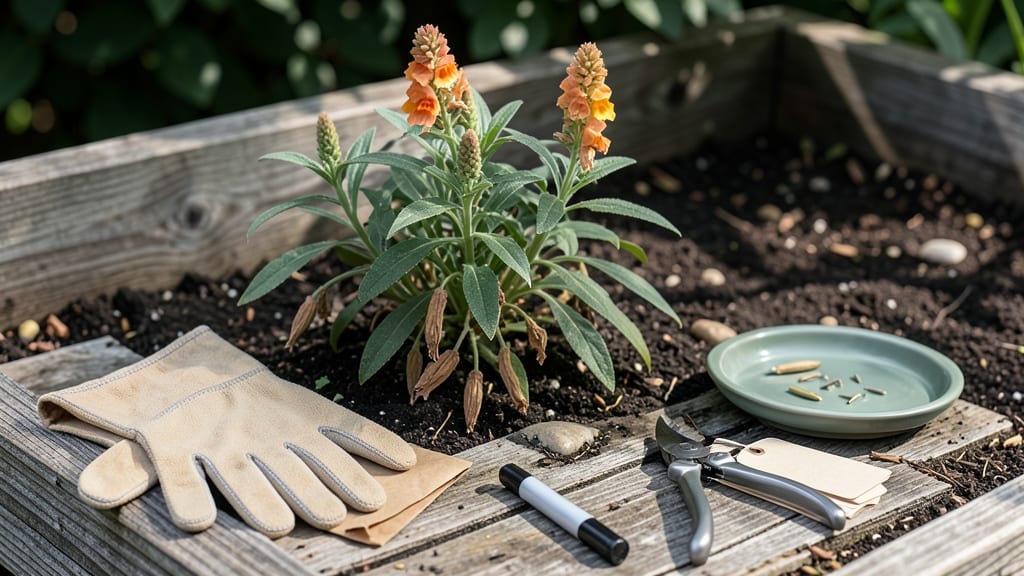
To harvest snapdragon seeds, you’ll need to know the exact moment when their pods turn brown and brittle—because waiting too long means the seeds scatter, and harvesting too soon leaves you with nothing but empty shells.
Picture this: your 🌸 snapdragons have finished blooming, and those once-vibrant flowers now hold the promise of next year’s garden. But timing is everything—miss the window, and you’re left with seeds that won’t sprout or pods that crumble before you can collect them.
This guide walks you through the key signs of ripe seed pods, the tools you’ll need (hint: scissors aren’t optional), and how to dry and store your seeds so they stay viable for planting. No more wasted effort—just a reliable stash for your next spring garden.
You’ll also discover how to troubleshoot common mistakes, like premature seed drop or moldy storage, so your snapdragon seeds grow into healthy plants the following season. Ready to turn those dried pods into next year’s blooms?

When to harvest snapdragon seeds: the perfect pod ripeness guide
Timing your snapdragon seed harvest is everything—collect too early, and you’ll end up with immature seeds that won’t germinate. Too late, and the seeds scatter, wasting your hard work. The key lies in three critical cues: pod color, seed rattling, and stem dryness.
I’ve learned these tricks after years of trial-and-error seed saving, and they’ll help you nail the perfect harvest window every time.
First, watch for pod color changes. Snapdragon seed pods start green and firm, signaling they’re still filling with nutrients. When they mature, they turn a dull brown or tan, almost papery to the touch. This color shift is your first green light that the seeds are ready.
In my Zone 6a garden, this typically happens in late July to early August, but your local climate will shift these dates slightly.
Next, give the pods a gentle shake. Mature snapdragon seeds will rattle loudly inside like marbles in a tin can. This sound means the seeds are fully developed and ready for collection. If you hear nothing—or just a faint rustle—wait a few more days.
I always test this by holding a pod over a white paper plate and shaking it; the seeds should scatter easily when mature.
Finally, check the stem and seed pod structure. At peak ripeness, the stems connecting the pods to the plant will turn yellow and crispy, almost like dried straw. The pods themselves should feel brittle and dry, splitting open naturally along their seams.
If you press gently, they should crack with a slight papery snap. This is your final confirmation that the seeds are ready to harvest.
| Ripeness Cue | Visual/Tactile Sign | Action to Take |
|---|---|---|
| Pod Color | Dull brown/tan (not green) | Check for seed rattling |
| Seed Rattling | Loud marbles-like sound | Harvest within 1-2 days |
| Stem Dryness | Yellow, crispy stems | Collect pods immediately |
| Pod Texture | Brittle, papery, cracks easily | Proceed with drying |
Climate plays a surprising role in snapdragon seed ripening. In hot, dry summers, pods mature faster—sometimes in as little as 6-8 weeks after flowering. But in cooler, humid regions, the process can stretch to 10-12 weeks.
Last summer, my Zone 7 friends harvested seeds a full 2 weeks earlier than me in Zone 6a, even though we planted the same varieties. Always monitor your local average daily temperatures; pods ripen more slowly when nights stay above 70°F (21°C).
One trick I swear by is marking the first flowers as they bloom. Snapdragons produce flowers sequentially, so if you tag the first blooms with a toothpick, you’ll know exactly when to start checking for seed ripeness.
The pods from these early flowers will be the first to mature, giving you a 3-5 day head start on the rest of the plant. This method has saved me from missing the harvest window entirely during busy gardening seasons.
Harvesting too early is the most common mistake I see among new seed savers. Green pods contain underdeveloped seeds that won’t sprout, and they’re prone to mold and rot during drying.
I once harvested a batch of snapdragon seeds when the pods were still slightly green, and only 15% germinated compared to the 90%+ rate from properly ripened seeds. Patience pays off—wait until the pods are fully brown and dry before touching them.
If you’re in a humid climate, like the Southeast U.S., be extra vigilant about mold risks. Damp conditions can cause seeds to spoil even after harvest. I’ve found that paper bags work better than plastic for initial drying—they allow airflow while keeping seeds contained.
In my 85% humidity garden, I spread harvested pods on a screen mesh tray under a fan for 3-5 days before storing them in airtight containers.
Don’t forget to label your seeds immediately after harvest! Snapdragons come in hundreds of varieties, from dwarf ‘Tom Thumb’ to towering ‘Black Prince’. I use small glass jars with masking tape labels to note the variety, harvest date, and any unique traits (like bi-color blooms).
Last year, I mixed up my ‘Rocket’ and ‘Applause’ seeds because I didn’t label them—don’t make my mistake!
With these cues mastered, you’ll never miss the perfect snapdragon seed harvest again. The satisfaction of watching those tiny brown seeds grow into vibrant blooms is unmatched—plus, you’ll save money and ensure heirloom-quality plants for years to come. Happy harvesting! 🌸
Step-by-step snapdragon seed collection method for high germination
Once you’ve identified your mature snapdragon seed pods, the next critical step is harvesting them at the perfect moment. Collecting too early results in immature, non-viable seeds, while waiting too long risks losing them to premature pod splitting or seed dispersal.
The goal is to gather seeds when they’re fully dry but haven’t yet scattered—typically 2-3 weeks after flowers fade.
Gather these essential tools before starting: clean scissors or pruners, a paper bag or envelope for seed collection, a damp paper towel (for later germination tests), and a well-ventilated drying area.
Work on a dry, sunny day to minimize humidity risks and speed up the drying process. Avoid harvesting after rain, as damp pods are prone to mold development.
After harvesting, conduct a quick germination test to confirm seed viability. Place 10 seeds on a damp paper towel in a sealed bag and store in a warm location for 7-10 days.
If 80% or more sprout, your seeds are ready for planting. Low germination rates may indicate poor storage conditions or immature pods.
To prevent mold during drying, avoid stacking pods and monitor humidity levels. If you notice fuzzy growth on pods, discard them immediately and disinfect your workspace with a 10% bleach solution. Proper airflow and low humidity are your best defenses against spoilage.
Once stored, keep seeds in a cool, dark pantry away from heat sources or fluctuating temperatures. Check containers annually for pest activity or moisture buildup. With these steps, you’ll ensure a high-germination-rate seed collection for next season’s snapdragons! 🌱