
How To
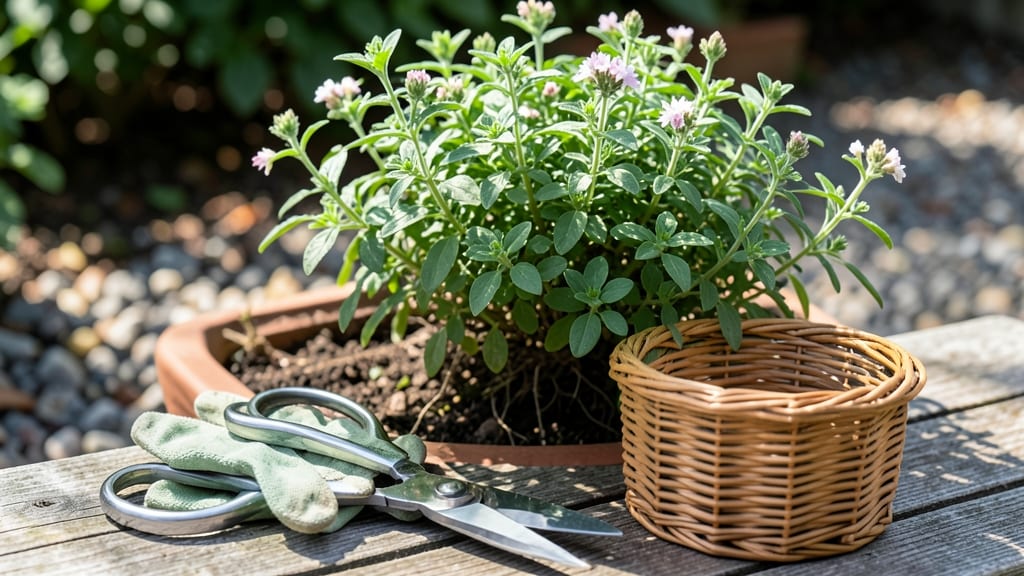
To harvest oregano so it keeps growing, you need to cut at the right time and in the right way—otherwise, you’ll end up with a scraggly plant that barely produces leaves.
Most gardeners accidentally stunt their 🌿 by snipping too much or at the wrong spots, leaving the plant stressed and slow to recover. The secret? Pruning just above leaf nodes and never taking more than one-third of the plant at once.
With the right timing—like harvesting in the morning after dew dries—you’ll encourage bushier growth and a stronger flavor. Below, I break down the exact steps, from tools to seasonal adjustments, so your oregano thrives all year.
Skip the guesswork and learn how to trim for abundance, not depletion, so you always have fresh oregano on hand.

When and how to prune oregano for maximum growth (step-by-step guide)
Pruning oregano correctly is the secret to a bushier, more productive plant that keeps growing year after year. Unlike many herbs, oregano thrives when you encourage new growth through strategic cuts—not by stripping it bare.
I’ve learned that timing and technique matter just as much as the tools you use, and small mistakes can leave your plant sparse and leggy instead of lush and fragrant.
Most gardeners make one of two errors: either they prune too late in the season, stunting fall regrowth, or they cut too aggressively at the base, leaving no energy for recovery. The key is to harvest early and often while leaving enough foliage to fuel photosynthesis.
Oregano is a perennial herb, meaning it comes back stronger each year if you treat it right—and that starts with knowing exactly when and how to prune.
How to Harvest Oregano So It Keeps Growing
-
Step 1: Choose the Right Time
Harvest in late spring or early summer (May-June) when the plant is 6-12 inches tall and leaves are fully developed. -
Step 2: Use Clean, Sharp Tools
Sanitize pruning shears or sharp scissors with rubbing alcohol to prevent disease. Dull tools crush stems, slowing recovery. -
Step 3: Cut Above Leaf Nodes
Make cuts 1/4 inch above a leaf node (where leaves meet the stem) to encourage new side shoots. -
Step 4: Never Remove More Than 1/3
Avoid cutting more than 1/3 of the plant at once. Oregano recovers best with gradual pruning over the season. -
Step 5: Prune for Shape in Fall
In late September, trim woody stems back by half to prepare for winter. Avoid heavy cuts after first frost. -
Step 6: Fertilize After Pruning
Apply balanced fertilizer (10-10-10) 2 weeks after pruning to support new growth.
I’ve found that morning harvests yield the most aromatic leaves because the oil content peaks after dew dries but before the heat of the day. Always harvest on a dry, sunny morning—never after rain, as wet foliage can invite fungal diseases like powdery mildew.
Pro tip: Crush a few leaves before cutting; if they smell strong and pungent, your oregano is ready for harvest.
One of the biggest mistakes I see is pruning at the wrong angle. Cutting stems at a 45-degree angle just above a leaf node is crucial—it prevents water from pooling and reduces disease risk.
If you shear the top flat (like a hedge), you’ll end up with a bare center and leggy growth. Instead, focus on selective pruning to shape the plant while encouraging density at the base.
Seasonal timing is everything. In spring, prioritize removing dead wood and shaping the plant to encourage new shoots. By mid-summer, you can harvest more aggressively since the plant is established, but always leave at least 2/3 of the foliage intact.
In fall, shift to light maintenance pruning—just enough to tidy up before winter dormancy. Never prune in winter; the plant needs all its energy to survive frost.
For container-grown oregano, pruning is even more critical because roots are limited. I’ve seen potted oregano double in size within a season when pruned correctly—just remember to water deeply after pruning to help the plant recover.
If you’re growing multiple varieties, like Greek or Italian oregano, prune each according to its growth habit. Greek oregano tends to be hardier and bushier, so it can handle slightly more aggressive pruning, while Italian oregano is more delicate and needs gentler cuts.
Tools matter just as much as technique. A pair of bypass pruners is ideal for clean cuts, while sharp kitchen scissors work in a pinch (just sanitize them first!). Avoid dull tools, which crush stems and slow regrowth.
I also recommend keeping a small spray bottle of water nearby to mist leaves after pruning—this helps reduce stress on the plant. For large patches, a hand pruner with long handles makes the job easier without bending over.
If your oregano looks leggy or sparse after pruning, it’s likely a sign of over-pruning or poor light. Move the plant to a sunnier spot (oregano needs 6+ hours of direct sun) and reduce pruning frequency for a few weeks.
In containers, check for root-bound conditions—if roots are circling, repot into a slightly larger container with fresh well-draining soil. With the right care, your oregano will bounce back stronger than ever.
Remember, oregano is a perennial, meaning it lives for years if cared for properly. The first year
Common harvesting mistakes that stunt oregano growth (and how to fix them)
Your oregano plant may look healthy, but aggressive harvesting can actually weaken it over time. Many gardeners accidentally prune too much or at the wrong time, leaving stems bare and stunted.
Even small mistakes—like cutting old, woody stems—can reduce future growth and flavor. The key is balancing harvests with the plant’s ability to recover, especially during peak growing seasons.
Another common pitfall is harvesting at the wrong angle. Snipping stems too close to the base removes the plant’s energy source, while cutting too high leaves bare spots that invite pests.
Even the time of day matters—harvesting in the heat stresses oregano, while morning cuts yield the freshest flavor and fastest recovery. Let’s fix these mistakes before your oregano turns into a sad, leggy shadow of its former self.
⚠️ 3 Harvesting Mistakes Killing Your Oregano (And How to Revive It)
- Over-pruning: Never remove more than 1/3 of the plant at once. If your oregano looks skeletal after harvest, it’s time to stop cutting for 4-6 weeks to recover.
- Wrong cutting angle: Always cut just above a leaf node (where leaves meet the stem). This encourages new growth. Avoid clean, flat cuts that leave bare stems.
- Harvesting in heat: Wait until morning when dew has dried. Hot afternoons stress plants, slowing recovery. Harvest in cool hours for best results.
If your oregano is already struggling, focus on revival pruning first. Trim back any dead or leggy stems to encourage new growth from the base. Avoid fertilizing immediately—this can burn weakened roots.
Instead, water deeply in the morning and place the plant in bright, indirect light for 1-2 weeks to recover.
For long-term success, space out harvests every 4-6 weeks during the growing season. Oregano is resilient, but it needs time to regenerate. If you’re growing it in containers, rotate pots occasionally to ensure even sunlight exposure, which prevents uneven growth.
A well-pruned oregano plant can produce year-round harvests with minimal effort.
Pro tip: Save your cuttings! Bundle fresh oregano stems in a jar with water and place them in indirect light. They’ll root in 2-3 weeks, giving you free plants to expand your garden. This also reduces the need for aggressive harvesting from your main plant.
With these fixes, your oregano will bounce back stronger than ever. The secret is patience and precision—never rush the harvest, and always prioritize the plant’s health over immediate yield. Soon, you’ll have a bushy, flavorful oregano plant that keeps giving all season long. 🌿