
How To
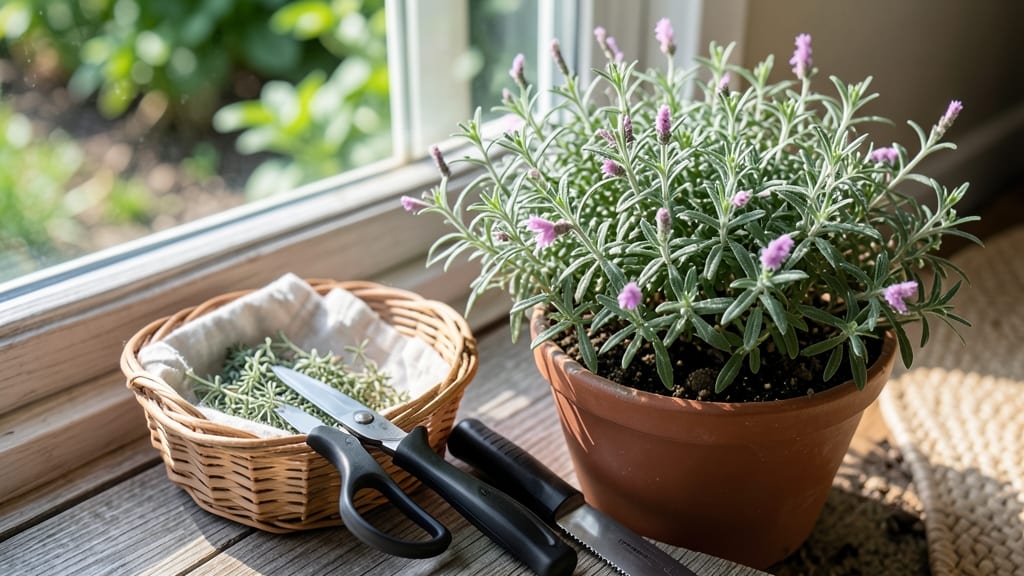
To harvest thyme so it keeps growing, focus on timing and technique—cutting too early or too late can leave your plant stunted or stressed.
Struggling to keep your thyme bushy and thriving? The secret lies in strategic harvesting—prune at the wrong time or too aggressively, and you’ll stunt its growth. But master these expert techniques, and you’ll enjoy a fragrant, ever-flourishing herb all season long.
Thyme 🌿 thrives when you harvest it in the morning after the dew has dried, ensuring the strongest flavor and minimal stress. Aim for stems that are 6-8 inches tall—this signals the plant is ready for trimming without sacrificing its ability to regrow.
Below, I’ll walk you through the exact steps to prune thyme like a pro, including when to stop harvesting in late summer and how to revive your plant if it looks tired. With the right approach, your thyme will stay lush and productive for years.

When and how to harvest thyme for continuous growth
Harvesting thyme at the right time ensures your plant stays lush, fragrant, and productive for years. Unlike many herbs, thyme thrives when you prune regularly—but timing and technique matter. Cut too early or too late, and you’ll risk stunted growth or woody stems.
The key is to harvest during the active growing season (spring to early fall) when your plant has energy to regenerate.
I’ve found that harvesting thyme in the morning after dew dries gives the strongest flavor and minimizes stress on the plant. This timing also allows the cuttings to dry faster, preserving their aromatic oils.
Whether you’re growing common thyme, lemon thyme, or woolly thyme, the same principles apply—just adjust for your specific variety’s growth habits.
To keep thyme growing strong, never remove more than one-third of the plant in a single session. This rule prevents over-stressing the roots and ensures your thyme has enough foliage to continue photosynthesizing.
I like to harvest every 4-6 weeks during peak season, but always check for new growth before cutting again.
Step-by-Step Guide to Harvesting Thyme
- 1 Choose the right time: Harvest in spring or early fall when thyme is actively growing. Avoid late summer to prevent woody stems and reduced regrowth.
- 2 Select healthy stems: Pick stems that are 6-8 inches tall with plump, aromatic leaves. Avoid cutting stems that are too short or leggy.
- 3 Use clean, sharp shears: Snip stems just above a leaf node (the point where leaves grow). This encourages bushier regrowth from the base.
- 4 Limit cuts to one-third: Never remove more than 30% of the plant at once. This prevents stress and ensures your thyme keeps growing.
- 5 Dry or use fresh: Hang bundles upside down in a dark, dry place for 1-2 weeks to dry, or use immediately in cooking. Fresh thyme stays vibrant for 1-2 weeks in the fridge.
For potted thyme, I recommend harvesting slightly more frequently—every 3-4 weeks—since container-grown plants grow slower. Always leave at least half the plant intact to maintain its shape and encourage new shoots. If your thyme starts looking woody or sparse, it’s a sign you’ve been harvesting too aggressively.
One of my favorite tricks is to propagate cuttings from harvested stems. Simply place the cuttings in water or moist soil, and within 2-3 weeks, you’ll have new thyme plants ready to transplant. This method lets you expand your herb garden for free while keeping your original plant healthy.
After harvesting, I always give my thyme a light watering (if the soil is dry) and a quick check for pests. Thyme is drought-tolerant, but it appreciates a little extra care after pruning.
Avoid fertilizing immediately after harvesting—wait 4-6 weeks to let the plant recover before applying a balanced, low-nitrogen fertilizer.
If your thyme stops growing after harvesting, it might be overcrowded or nutrient-deficient. Thin out overgrown plants and add a layer of compost to refresh the soil. With the right care, your thyme will reward you with year-round harvests and a fragrant garden corner all season.
Remember, thyme is a perennial herb, meaning it comes back every year with proper care. By following these steps, you’ll enjoy abundant, flavorful thyme for decades—no need to replant annually! 🌿
Common harvesting mistakes that kill your thyme plant
Even the hardiest thyme plants can decline if you harvest at the wrong time or use the wrong techniques. Over-pruning in late summer or harvesting woody stems instead of fresh growth can leave your plant looking bare and struggling to recover.
The good news? Most of these mistakes are easily avoidable with a few simple adjustments to your routine.
One of the biggest culprits is harvesting too much at once. Thyme is resilient, but cutting more than one-third of the plant in a single session can shock it into dormancy.
Even worse, many gardeners unknowingly prune at the base instead of above leaf nodes, which stunts new growth and leaves ugly scars.
Another silent killer is ignoring seasonal cycles. Thyme enters dormancy in late summer, and harvesting during this time forces it to divert energy away from root strengthening.
If you notice yellowing leaves or stunted growth after harvesting, it’s likely a sign you’ve pushed the plant too hard during its rest period.
⚠️ callout-warning
⚠️ 3 Deadly Harvesting Mistakes (And How to Fix Them)
1. Cutting woody stems: Never harvest stems thicker than a pencil. These won’t regrow—trim only soft, green growth for new shoots. Fix: Snip just above a leaf node on non-woody stems.
2. Over-pruning in summer: Harvesting more than 30% of the plant in late summer forces dormancy. Fix: Stop harvesting by mid-August to let roots recover.
3. Ignoring stress signs: Wilting, yellow leaves, or bare patches mean you’ve over-harvested. Fix: Pause harvesting for 4-6 weeks and focus on watering deeply and adding mulch.
If your thyme looks leggy or sparse, it’s often a sign you’ve been harvesting too high. Always aim to cut stems just above a leaf node—this is where new growth emerges.
For bushier thyme, pinch back tips in early spring to encourage branching. Avoid the temptation to harvest flower spikes unless you want to reduce next year’s harvest.
For potted thyme, overcrowding is another common issue. When roots fill the pot, harvesting becomes stressful because the plant can’t recover. Repot every 2-3 years into slightly larger containers with well-draining soil to prevent root-bound stress. Always water thoroughly after repotting to help the plant adjust.
Finally, harvesting in the wrong season can set your thyme back. Early spring is ideal for first cuts because the plant is already pushing new growth. Avoid harvesting in fall or winter unless you’re in a mild climate—thyme needs energy to survive cold snaps, not produce leaves.
With these adjustments, your thyme will bounce back with vibrant new growth and stay productive for years. The key is patience and timing—never rush the harvest, and your plant will reward you with a fragrant, evergreen bush all season long. 🌿