
How To
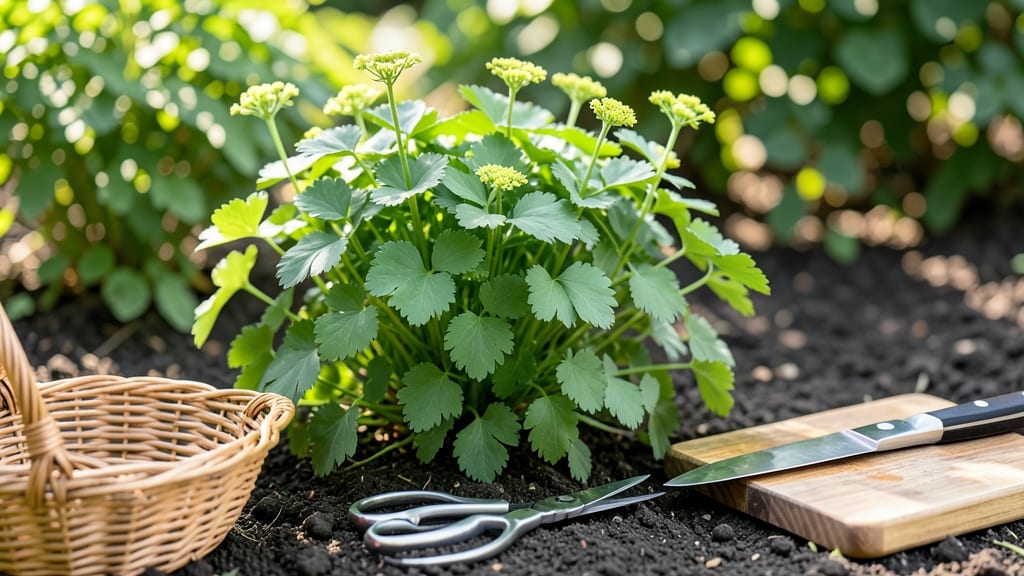
Harvesting parsley the right way keeps your plants thriving while giving you the freshest flavor 🌿 — and it’s easier than you think.
Picture this: You’re about to chop parsley for your favorite dish, only to realize it’s small, tough, or already starting to bolt. That’s a common mistake when you don’t know the best time to snip.
The secret? Harvesting at the right stage—when leaves are vibrant and stems are firm but not woody—ensures you get the best taste without sacrificing future growth.
Parsley is one of those herbs that rewards patience. Unlike fast-growing basil, it takes about 75 days to reach its prime, but once it does, you’ll want to harvest regularly to encourage bushier plants.
The key is to never take more than one-third of the plant at once, so it keeps producing.
In this guide, I’ll walk you through the exact steps to harvest parsley—from choosing the perfect leaves to storing your bounty so it stays fresh for weeks. Ready to turn your kitchen into a flavor powerhouse?

Best times to harvest parsley for maximum flavor and growth
Timing your parsley harvest correctly makes all the difference in flavor and plant health. The best time to harvest parsley is in the early morning after the dew has evaporated but before the sun intensifies.
This ensures the leaves are hydrated and packed with maximum flavor compounds. Morning harvests also reduce stress on your plants, allowing them to recover quickly for future growth.
Seasonal timing matters too. For spring-planted parsley, you can start harvesting about 75 days after sowing, typically in late spring or early summer. If you planted in early summer, wait until fall temperatures drop—this prevents bolting (flowering) which makes leaves bitter.
Always prioritize harvesting before parsley sends up flower stalks, as this signals the end of its prime leaf production.
Harvest in the Morning
Pick leaves between 6-9 AM when they're hydrated and flavorful. Avoid harvesting after noon when leaves may wilt faster.
Check Leaf Size
Harvest outer leaves when they reach 4-6 inches long. Inner leaves stay protected for future growth. Never take more than 1/3 of the plant at once.
Avoid Flowering Stages
Stop harvesting if you see flower buds. Once parsley bolts, leaves become bitter and tough. Remove flower stalks immediately to redirect energy to leaves.
Use Clean Tools
Always use sharp scissors or pruners (disinfected with rubbing alcohol). Never pull leaves by hand—this damages the root system and weakens future growth.
Seasonal shifts affect parsley's readiness too. In spring and fall, parsley grows more slowly, so harvest less frequently (every 2-3 weeks). During summer's peak growth, you can harvest every 7-10 days without harming the plant.
Always leave at least 6-8 inches of growth to maintain the plant's ability to photosynthesize and regenerate.
Over-harvesting is a common mistake that stunts parsley growth. If you remove too many leaves at once, the plant may produce smaller, less flavorful leaves or even die back.
To avoid this, follow the one-third rule: Never harvest more than one-third of the plant's foliage in a single session. This ensures your parsley stays productive for months.
Visual cues are your best friends when determining harvest readiness. Look for bright green, fully developed leaves that are at least 4-6 inches long. The stems should feel firm but not woody—if they bend easily, wait a few more days.
Avoid harvesting leaves that are yellowing or curling, as these signs indicate stress or disease.
Curly parsley and flat-leaf parsley have slightly different harvesting windows. Curly parsley often matures faster and can be harvested 2-3 weeks earlier than flat-leaf varieties. Flat-leaf parsley tends to have a longer harvest window (up to 6 months) if cared for properly.
Both varieties benefit from regular harvesting, as it encourages bushier, more flavorful growth.
If you're growing parsley in containers, timing becomes even more critical. Container-grown parsley has limited root space, so harvest more selectively to avoid crowding. Prune back any leggy growth by cutting just above a leaf node, which encourages branching and denser foliage.
This technique works wonders for compact parsley varieties like 'Dwarf Moss Curled'.
Pro tip: Mark your calendar for two key harvest windows each year. The first occurs in late spring when parsley reaches maturity, and the second in early fall before the first frost. These windows ensure you get the most flavorful leaves while avoiding the plant's natural decline in winter.
Remember, parsley is a biennial herb, meaning it produces leaves in its first year and flowers in its second. To maximize your harvest, plant new seeds every 2-3 weeks throughout the growing season. This staggered planting ensures a continuous supply of fresh parsley from spring through fall.
Step-by-step guide to proper parsley harvesting techniques
Harvesting parsley correctly ensures you get flavorful leaves while keeping your plant healthy for future growth. Unlike many herbs, parsley thrives when you use the snip-not-pull method, which prevents damage to the roots and stems.
Whether you're growing flat-leaf or curly parsley, the same principles apply—just adjust for leaf size and density.
Before you begin, gather your tools: a pair of sharp pruning shears or clean kitchen scissors, and a bowl for your harvest. Avoid using dull tools, as they can crush stems and invite disease.
I always sanitize my shears with rubbing alcohol between harvests to prevent contamination, especially when working with multiple plants.
Timing matters too. Harvest parsley in the morning after dew has dried—this ensures leaves are crisp and full of moisture. Avoid harvesting in the afternoon heat, as leaves can wilt quickly and lose flavor. For continuous harvests, aim to pick outer leaves first, allowing inner growth to mature undisturbed.
⚠️ WARNING: Common Mistakes That Harm Your Parsley
To harvest, hold the stem firmly with one hand and use your shears to cut just above a leaf node (the point where leaves grow). For curly parsley, snip individual stems, while flat-leaf varieties can be harvested in small clusters.
Never cut more than one-third of the plant in a single session—this ensures your parsley keeps producing fresh leaves all season.
After harvesting, rinse leaves gently under cool water to remove dirt, then pat dry with a clean towel. Store them in a perforated plastic bag in the fridge for up to a week, or use them immediately in recipes.
For long-term storage, consider drying or freezing—both methods preserve flavor better than wilting leaves left out too long.
Maintain your parsley’s health post-harvest by watering deeply after each pick, especially in hot or dry conditions. Add a layer of mulch around the base to retain moisture and prevent weeds.
With proper care, your parsley plant can produce leaves for two years, making it a low-maintenance perennial favorite in any garden.