
How To
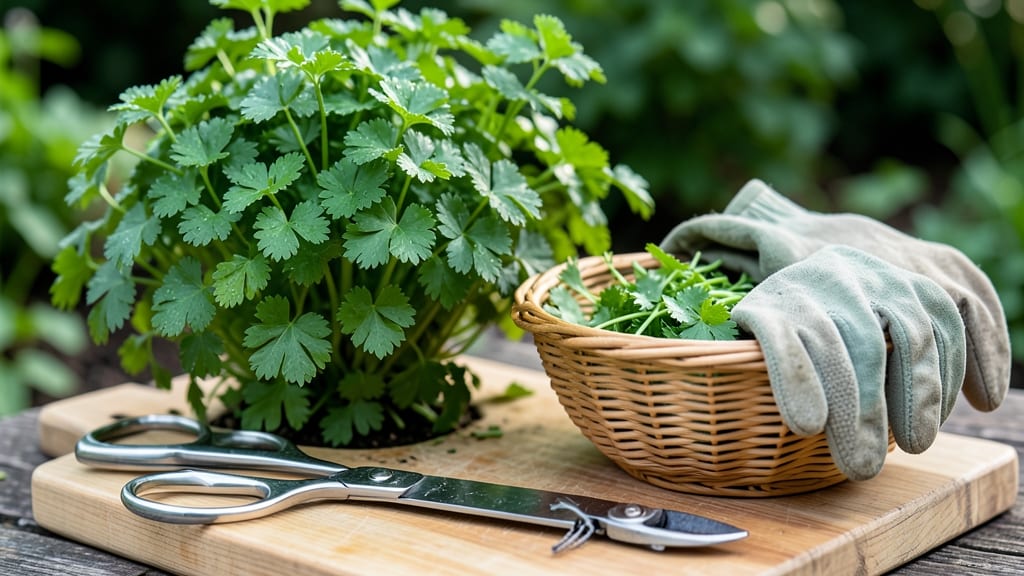
To harvest parsley at the perfect moment means snipping leaves when they're 3-4 inches long and packed with flavor—before the plant bolts or turns bitter.
I used to pull entire stems, thinking it would encourage new growth, only to watch my parsley shrink into woody stalks within weeks. That’s when I learned the real trick: harvesting just the outer leaves leaves the center intact, so the plant keeps producing like a machine.
Timing matters too—spring and fall are the sweet spots for continuous harvests, while summer heat can stress parsley into early flowering. Below, I’ll walk you through the exact techniques to keep your parsley bushy, flavorful, and ready to snip all season long.
You’ll also discover how to store your harvest (yes, even the stems!) so nothing goes to waste, plus the one tool that makes cutting parsley effortless and precise—no more dull scissors or uneven snips.

When to harvest parsley for peak flavor and continuous growth
Timing your parsley harvest is everything—cut too early, and you’ll miss out on its boldest flavor. Wait too long, and the leaves turn bitter or the plant bolts. The sweet spot is when parsley leaves reach 3-4 inches long and have a strong aroma when crushed.
This usually happens 75-90 days after sowing, depending on your climate and variety.
For continuous harvests, focus on outer leaves first. This encourages new growth from the center while keeping your plant lush. Think of it like trimming a hedge—you’re shaping the plant to thrive, not stripping it bare.
Avoid harvesting more than one-third of the plant at once, or you’ll shock its growth cycle.
Season matters too. In spring and fall, parsley grows faster in cooler weather, so you can harvest every 2-3 weeks. During summer heat, growth slows, and leaves may taste milder—harvest less frequently to avoid stressing the plant. Always prioritize morning harvests when leaves are hydrated and flavorful.
Now, let’s break down the perfect harvesting windows with this quick reference:
| Stage | Leaf Size | Days After Sowing | Season | Harvest Frequency |
|---|---|---|---|---|
| Early Growth | 1-2 inches | 60-75 days | Spring/Fall | Every 3-4 weeks |
| Peak Flavor | 3-4 inches | 75-90 days | Spring/Fall | Every 2-3 weeks |
| Late Season | 4+ inches | 90+ days | Summer/Fall | Every 4-6 weeks |
Watch for over-harvesting signs like yellowing leaves, stunted growth, or woody stems. These mean you’re taking too much too soon. If you see flower stalks emerging, it’s a clear signal to harvest immediately—parsley’s flavor fades fast once it bolts.
For flat-leaf parsley, you can cut stems closer to the base, but with curly parsley, snip individual leaves to avoid shocking the plant.
Pro tip: Crush a leaf between your fingers before harvesting. If it smells like fresh parsley, it’s ready. If it’s weak or musty, wait another week. This simple test saves you from harvesting subpar leaves. Always use clean, sharp scissors to avoid damaging stems or spreading disease.
In USDA Zone 6a, aim to finish your main harvest by early October to avoid frost damage. If you’re in a warmer zone, you can extend harvests into November. For container-grown parsley, harvest even more carefully—roots are shallower, so over-pruning can stunt growth entirely.
Remember, parsley is a biennial, meaning it lives for two years. First-year plants focus on leaf growth, while second-year plants may flower. To maximize flavor, prioritize first-year harvests and avoid letting it bolt. With the right timing, your parsley will keep producing vibrant, flavorful leaves for months.
Start harvesting parsley early and often, and you’ll enjoy a continuous supply of fresh herbs all season long—no bitter surprises here! 🌿✂️💚
Step-by-step parsley harvesting techniques: snipping vs. cutting
Harvesting parsley correctly makes all the difference between a bushy, productive plant and one that turns woody and bitter. The method you choose—snipping individual leaves or cutting entire stems—depends on your parsley type and goals.
Flat-leaf parsley (like Italian parsley) regrows better from stem cuts, while curly parsley often handles leaf-by-leaf harvesting. Let’s break down the best approach for each.
Before you grab your shears, gather the right tools: sharp pruning shears or clean kitchen scissors for stems, and your fingers for individual leaves. Avoid dull blades—they crush stems, inviting disease.
Work in the morning after dew dries to ensure leaves are crisp and free of moisture buildup. This simple prep step keeps your harvest fresh and your plant healthy.
- 1 Identify mature leaves: Look for leaves 3-4 inches long with a vibrant green color and strong aroma. Avoid harvesting leaves closer to the base—these fuel regrowth.
-
2
Choose your method:
- Snipping leaves: Pinch or twist off outer leaves at the base. Ideal for curly parsley or when you only need a few leaves.
- Cutting stems: Use shears to cut stems 2-3 inches above ground. Best for flat-leaf parsley or when harvesting larger quantities.
- 3 Maintain plant shape: Never remove more than one-third of the plant at once. For stem cuts, leave 3-4 inner leaves to keep photosynthesis flowing. This ensures your parsley stays lush and productive.
- 4 Harvest frequency: Aim for every 2-3 weeks during peak growing season (spring to early fall). In hot summers, reduce to every 4 weeks to avoid stressing the plant. Over-harvesting leads to woody stems and poor regrowth.
-
5
Avoid these mistakes:
- Cutting too close to the base—always leave 2-3 inches of stem.
- Harvesting before leaves mature—wait for full size and aroma.
- Ignoring flower stems—remove them immediately to prevent bolting.
Flat-leaf parsley thrives when you cut entire stems rather than plucking leaves. This method encourages bushier regrowth and maximizes your harvest. For example, if you’re prepping parsley for a large recipe, snip 3-4 stems at a time, leaving the central leaves intact.
Curly parsley, on the other hand, often handles leaf-by-leaf harvesting better, as its delicate fronds can tear if you cut stems.
Watch for signs your parsley is over-harvested: yellowing leaves, sparse growth, or stems that feel hollow and woody. If you see these, scale back to weekly leaf snipping and focus on watering and fertilizing to revive the plant.
With the right balance, your parsley will keep producing flavorful leaves for months.
Pro tip: Use the harvested stems! Place them in a glass of water on your windowsill—they’ll regrow roots and leaves, giving you a continuous supply of fresh parsley indoors. Just trim the leaves as needed and let the stems stay hydrated. It’s a zero-waste way to enjoy parsley year-round.