
How To
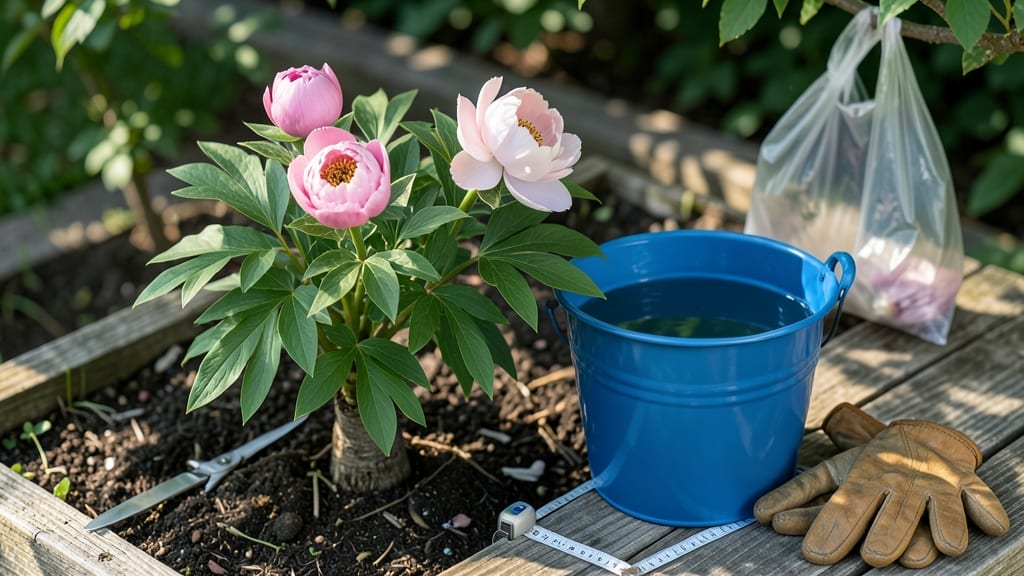
Harvesting peonies at the right stage keeps their blooms fresh for days—and preserves next year’s flowers.
Peonies are the crown jewels of spring gardens—but harvesting them at the wrong time can shorten their vase life or even harm the plant. The secret lies in timing: cutting stems when buds are just about to open, not when they’re fully bloomed.
With the right technique, you can enjoy longer-lasting bouquets while keeping your peony plants healthy for years. I’ll walk you through the exact steps, from choosing the perfect stem to post-harvest care that keeps blooms vibrant.
Ready to master the art of peony harvesting? You’ll learn how to cut stems for maximum vase life, avoid common mistakes, and ensure your peonies 🌸 thrive for seasons to come.

When and how to cut peonies for maximum bloom longevity
Peonies reward patience with their lush, fragrant blooms, but harvesting them at the wrong time can turn your vase centerpieces into wilted disappointments.
The secret lies in timing your cuts precisely—when buds are swollen but not yet open—and using the right techniques to preserve both the flower's life and your plant's future blooms.
I've learned through years of trial and error that even a slight misstep can shorten vase life by 30-50%, so let's get this right.
Timing is everything with peonies. Harvest too early, and your blooms will open prematurely in the vase, losing their dramatic impact. Cut too late, and you'll get floppy, short-lived flowers that droop within days.
The ideal moment arrives when buds are firm and fully swollen but still tightly closed, with petals just visible through the outer layers. This stage ensures maximum vase life while protecting your plant's energy stores for next year's blooms.
Here's my foolproof visual guide to help you identify the perfect harvest moment every time:
| Harvest Stage | Bud Characteristics | Stem Condition | Vase Life Potential |
|---|---|---|---|
| Too Early | Small, soft, petals not visible | Weak, bending easily | 3-5 days (opens too soon) |
| Perfect Time | Firm, swollen, petals visible | Sturdy, upright, 12-18 inches tall | 7-10 days (optimal) |
| Too Late | Open or partially open | Bending, may have weak spots | 3-5 days (wilts quickly) |
The morning after a light rain is my favorite time to harvest peonies. The blooms stay hydrated overnight, and the stems are crisp. Always use clean, sharp pruners or shears—dull tools crush stems, causing premature wilting.
Cut stems at a 45-degree angle about 2 inches below the flower head. This increases water uptake surface area and helps the plant heal faster.
Never cut stems shorter than 12 inches—longer stems hold more water and last longer in vases. Remove any side buds or leaves from the lower half of the stem, as these compete with the main bloom for energy.
I like to strip stems immediately after cutting to prevent bacterial growth in the water. For maximum vase life, place cut stems in lukewarm water right away and recut the stems every 2-3 days to keep water flowing freely.
Protecting your peony plant after harvesting is just as important as the cutting process itself. After removing no more than 1/3 of the blooms from any plant, apply a balanced fertilizer (like 5-10-10) to replenish nutrients.
Water deeply at the base to help the plant recover. I've found that harvesting in stages—over 2-3 days—gives the plant time to adjust while still providing plenty of cut flowers for arrangements.
For gardeners in USDA Zone 6 or warmer, harvest timing typically falls between late May and early June, but always check your specific variety as timing can vary by 3-5 days. In cooler climates, peonies may bloom later, so monitor bud development closely.
The key is to harvest when 70-80% of buds are at the perfect stage—this ensures you get the most blooms while keeping the plant healthy.
One common mistake I see is harvesting peonies with fully open flowers. While these may look beautiful, they'll only last 2-3 days in a vase compared to the 7-10 days you get from properly timed buds.
The trade-off isn't worth it—your future blooms will thank you for this patience. Always prioritize the bud stage over instant gratification from open flowers.
For long-distance transport, wrap stems in damp paper towels and place them in a plastic bag with a drop of bleach (1/4 tsp per gallon) to prevent bacterial growth. This simple trick has extended my peony arrangements by 2-3 extra days even when transporting from my garden to the city.
The bleach acts as a natural preservative while keeping stems hydrated until you can arrange them properly.
Remember that peonies are perennial powerhouses—they'll reward your careful harvesting with even more spectacular blooms next year. By following these precise timing and cutting techniques, you'll enjoy longer-lasting bouquets while keeping your peony plants thriving for decades. Happy harvesting! 🌸
Step-by-step peony harvesting process for gardeners
Harvesting peonies at the perfect moment ensures long-lasting vase life while protecting your plant’s future blooms. The key lies in timing, technique, and post-harvest care—details I’ll walk you through step by step.
Whether you’re a seasoned gardener or new to peonies, these instructions will help you avoid common mistakes that lead to wilted stems or stunted plants.
Before you begin, gather your tools: a pair of sharp pruning shears, a clean bucket of water, and a spray bottle filled with room-temperature water. Sanitizing your tools with rubbing alcohol prevents bacterial spread, which can shorten your peonies’ vase life.
I always sanitize my shears between cuts to keep my harvest healthy and vibrant.
Step-by-Step Peony Harvesting Process
- 1 Choose the right buds: Select peony buds that are swollen but not yet open. Look for buds where petals are visible but tightly closed—this is the ideal harvest stage for maximum vase life.
- 2 Sanitize your tools: Wipe pruning shears with rubbing alcohol to kill bacteria. This simple step prevents stem rot and extends your peonies’ freshness in vases.
- 3 Cut at a 45-degree angle: Make your cut 2-3 inches below the bud at a 45-degree angle. This increases water absorption and keeps stems hydrated longer.
- 4 Immerse stems immediately: Place cut stems in a bucket of room-temperature water for at least 30 minutes. This hydrates the stems and prepares them for transport.
- 5 Transport with care: Wrap stems in a damp towel and place them in a plastic bag. Store them in a cool, dark place (like a garage) until you’re ready to arrange them in vases.
- 6 Recut stems before arranging: Once home, trim 1 inch off the bottom of each stem and place them in a clean vase with fresh, room-temperature water. Change the water every 2-3 days for the longest vase life.
After harvesting, avoid placing peonies in direct sunlight or near heat sources, as this accelerates wilting. I’ve found that arranging them in a cool, shaded area for the first 24 hours helps them last longer in vases.
For extra longevity, add a flower food packet to your vase water—it contains sugars and acids that nourish the stems and extend their life by days.
Never harvest more than one-third of the blooms from a single peony plant in one season. Over-harvesting weakens the plant and reduces next year’s flowers. I limit my harvest to 2-3 stems per plant to ensure my peonies thrive for years to come.
With these steps, your peonies will stay fresh for 7-10 days in vases, making them the star of any bouquet.
Pro tip: If you’re harvesting for a special occasion, start with the outermost buds first. This allows the inner buds to mature and open later, giving you a continuous supply of fresh blooms throughout the season. Happy harvesting!