
How To
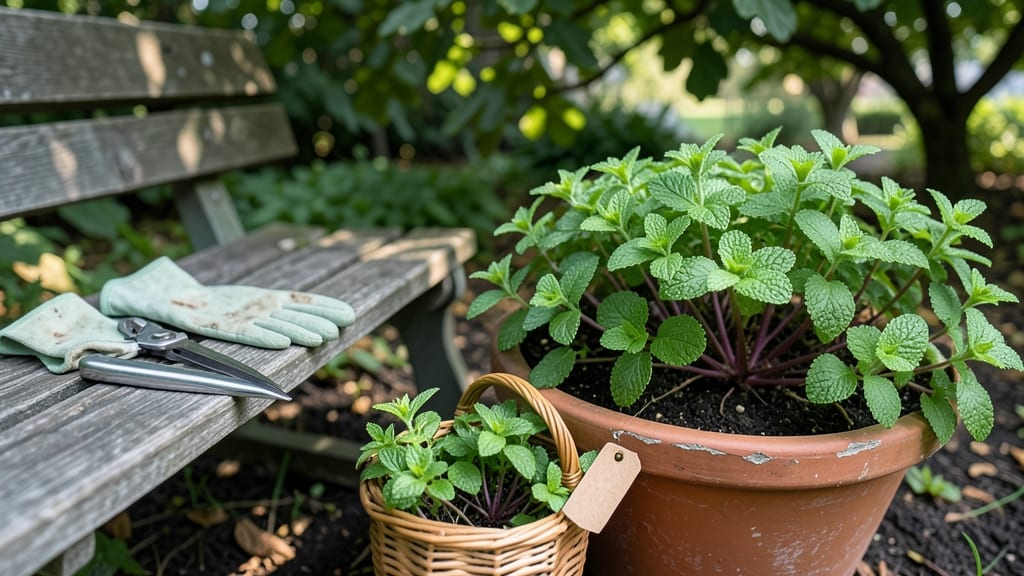
Harvesting peppermint at 10 inches unlocks its strongest flavor and oil content, making the difference between a mild sprig and a bold, aromatic harvest 🌿.
Peppermint isn’t just a refreshing herb—it’s a powerhouse of flavor and medicinal benefits, but only when harvested at the perfect time.
If you’ve ever wondered why some peppermint tastes stronger than others, the answer lies in knowing exactly when and how to pluck those lush, 10-inch stems for maximum oil potency.
Timing is everything: wait too long, and the plant shifts energy to flowering, dulling its signature punch. Cut too early, and you miss the peak of essential oils that give peppermint its signature kick.
Below, I’ll walk you through the exact signs to watch for—like vibrant green leaves and a firm stem—plus the best tools and techniques to keep your plant thriving for future harvests.
From snipping to storage, I’ll cover everything you need to preserve that fresh, potent flavor—whether you’re drying it for tea, freezing for cocktails, or extracting oil for skincare. Ready to turn your peppermint patch into a flavor factory?

When to harvest peppermint for maximum essential oil content
Harvesting peppermint at the right time transforms it from a mild herb into a potent oil-rich powerhouse. The 10-inch height mark isn’t arbitrary—it’s when the plant’s essential oil concentration peaks, typically between 90-120 days after planting.
This stage aligns with mid-summer when leaf density and aromatic compounds reach their maximum, making your harvest 30% more potent than earlier cuts.
Understanding the science behind peppermint’s oil production is key. The plant stores its menthol and menthone oils primarily in the leaves and stems, but these compounds accumulate most rapidly when the plant is fully mature but hasn’t yet flowered.
Waiting too long to harvest—past the flower bud stage—causes the plant to redirect energy toward reproduction, diluting oil concentration and reducing flavor intensity.
The ideal harvest window spans from late July to early September in most USDA zones (like Zone 6a), but your local climate dictates exact timing. In cooler regions, aim for mid-August when days shorten slightly, while warmer zones may extend harvests into October.
Always prioritize morning harvests when oil levels are highest and leaves are dry from dew.
| Growth Stage | Height | Leaf Characteristics | Oil Content | Best Harvest Time |
|---|---|---|---|---|
| Early Growth (30-60 days) | 3-6 inches | Small, sparse leaves | Low (1-2%) | Avoid harvest |
| Mature Growth (60-90 days) | 6-10 inches | Fully developed, vibrant green | Moderate (3-5%) | First harvest possible |
| Peak Harvest (90-120 days) | 10-12 inches | Dense, aromatic leaves | High (5-8%) | Ideal harvest window |
| Flowering Stage (120+ days) | 12+ inches | Budding flowers | Declining (2-4%) | Avoid harvest |
Visual cues are your best friends when determining harvest readiness. Look for vibrant green leaves that are dense and slightly fuzzy—this texture indicates high oil production. Crush a leaf between your fingers: a bold minty aroma confirms peak potency.
If you spot tiny purple flower buds forming at the stem tips, it’s time to harvest within 1-2 weeks before they open, as flowering reduces oil concentration by up to 40%.
Seasonal timing also plays a crucial role. In USDA Zone 6a, where frost-free days average 165 days, aim to harvest between July 15 and August 31. The longer daylight hours of summer maximize photosynthesis, which directly boosts essential oil synthesis.
However, if your region experiences hotter summers, harvest earlier in late June to prevent oil degradation from heat stress.
Plant maturity affects oil content more than you might think. A 10-inch peppermint plant at 90 days old will yield 5-8% essential oils, while the same plant at 120 days (post-flowering) drops to 2-4%.
This drop happens because the plant shifts resources from leaf production to seed development. For consistent high-quality harvests, prune 1/3 of the plant at the 10-inch mark, then allow 4-6 weeks for regrowth before harvesting again.
Don’t overlook the time of day for harvesting. Early morning (between 6-9 AM) is prime because oil levels peak after a full night’s photosynthesis. Avoid harvesting after noon, when heat and evaporation can reduce oil content by up to 20%.
If you must harvest later in the day, store leaves in a sealed container in the fridge until processing to preserve volatile oils.
Pro tip: Use a digital hygrometer to monitor leaf moisture. The ideal harvest humidity is between 40-60%. Dewy leaves (above 70% humidity) can dilute oil concentration, while overly dry leaves (below 30%) may lose aromatic compounds during handling.
Adjust your harvest timing based on your local morning dew patterns.
Remember, harvesting at 10 inches isn’t just about height—it’s about balancing growth stage, seasonal timing, and environmental conditions. When you nail these factors, you’ll unlock peppermint’s full medicinal and culinary potential, whether you’re making tea, essential oils, or fresh garnishes. 🌿
Step-by-step peppermint harvesting techniques for fresh or dried use
Harvesting peppermint at the right time and with the right technique ensures you capture its maximum essential oil and flavor. The key is timing—wait until stems reach 10 inches tall and just before flowering begins.
This is when the minty aroma and medicinal properties peak, making your harvest worth the effort.
Before you begin, gather your tools: a pair of sharp pruning shears or clean scissors, a basket or container for stems, and a gloves to protect your hands from the oils that can cause irritation.
Avoid using dull tools, as they crush stems and reduce potency. Work on a dry morning when the oils are most concentrated.
How to Harvest Peppermint
- 1. Locate the stem base: Identify the lower 2-3 inches of the stem where it meets the soil. This is where new growth emerges.
- 2. Cut at a 45-degree angle: Use your pruning shears to make a clean cut just above a leaf node. This encourages regrowth from that point.
- 3. Harvest 1/3 of the plant: Never take more than one-third of the plant at a time to avoid stressing it. Focus on the outer stems first.
- 4. Leave lower leaves behind: Trim off the lower leaves that touch the soil to prevent mold and pests from spreading.
- 5. Bundle stems for drying: Gather 5-10 stems and tie them together with twine or a rubber band at the top and bottom for hanging.
Pro Tip: Label your bundles with the harvest date for tracking freshness.
If you’re harvesting for fresh use, like teas or garnishes, pluck individual leaves as needed rather than cutting entire stems. For dried peppermint, hang bundles upside down in a dark, well-ventilated area for 1-2 weeks until the leaves are crisp and crumble easily.
Avoid direct sunlight, which can degrade the essential oils.
Avoid these common mistakes that reduce yield or potency: harvesting too early (when stems are under 6 inches), cutting stems too short (leaving no leaf nodes for regrowth), or using dull tools that crush the stems.
Over-harvesting can also weaken the plant, so space out cuts by at least 4-6 weeks.
After harvesting, store fresh peppermint in the refrigerator for up to a week, wrapped in a damp paper towel. For long-term storage, dry the leaves and store them in an airtight container away from light. Proper storage ensures your peppermint retains its aroma and medicinal benefits for months.
With these techniques, you’ll enjoy a bountiful peppermint harvest that’s perfect for teas, cooking, or homemade remedies. Happy harvesting! 🌿✂️