
How To
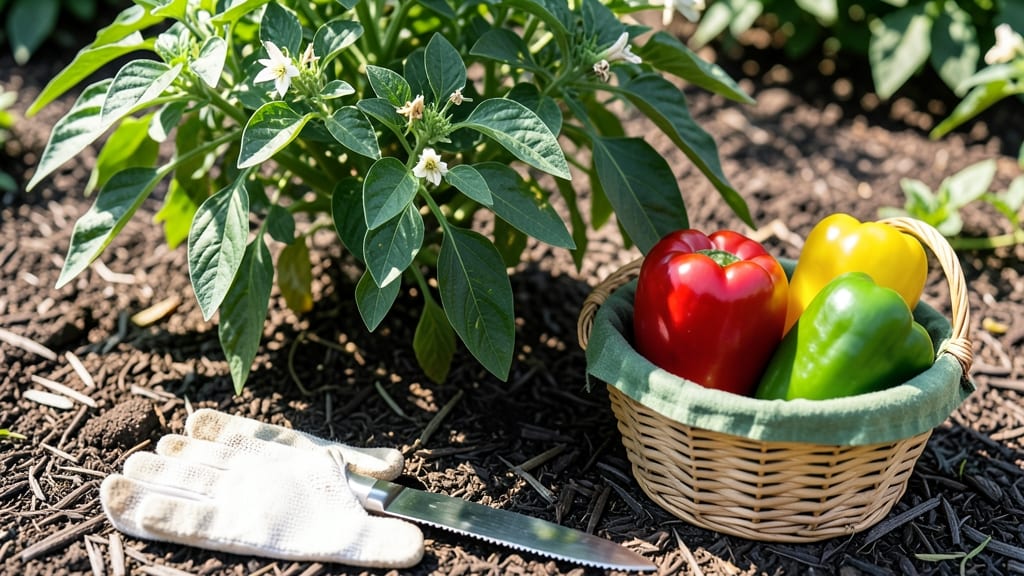
Harvesting peppers at the right time means the difference between sweet, vibrant flavors and tough, bitter pods 🌶️—and knowing exactly when to pick is the secret to a bountiful garden.
Picture this: you’ve waited months for your peppers to ripen, only to harvest them too late and end up with leathery, flavorless pods. Or worse, you pick them too early and miss out on their full potential.
The good news? With just three simple visual cues, you can time your harvest perfectly every time.
In this guide, I’ll walk you through the exact signals to look for—color, size, and firmness—so you never miss peak ripeness again. Whether you’re growing sweet bell peppers or fiery jalapeños, these tips will help you extend your harvest season and keep your kitchen stocked with homegrown flavor.
Ready to turn your pepper plants into a flavor factory? Let’s dive into the game-changer techniques that’ll have you harvesting like a pro in no time.

3 Visual cues to harvest peppers at peak ripeness
Harvesting peppers at the right moment ensures maximum flavor and sweetness. Miss the window, and you’ll end up with tough, bland peppers that never reach their full potential. The key lies in three visual cues: color, size, and texture.
Each variety has its own signals, but these universal signs apply to bell peppers, jalapeños, and even habaneros. Let’s break down what to look for to guarantee a harvest bursting with flavor.
First, consider the color transformation. Most peppers start green but mature into vibrant hues like red, yellow, or orange. For example, a red bell pepper should deepen to a rich, glossy red—not just a pale pinkish tone.
Similarly, jalapeños turn from green to shades of red or purple when fully ripe. These color shifts indicate the pepper’s sugar content has peaked, delivering the sweetest taste possible.
Now, let’s talk size. Peppers won’t ripen to full flavor if they’re undersized. A bell pepper, for instance, should reach 3 to 6 inches in length, depending on the variety. If your peppers are smaller than expected, they likely need more time on the plant.
For chili peppers, size varies more, but they should feel plump and heavy for their type. Skipping this cue means sacrificing both flavor and texture.
Finally, texture is your final check. A ripe pepper has a firm, glossy skin that feels slightly waxy to the touch. If the skin is wrinkled, soft, or dull, the pepper has overripe or is stressed by heat or drought.
Gently squeeze it—if it yields slightly, it’s past its prime. The right texture guarantees a crisp bite and peak sweetness.
🌶️ Your Pepper Harvest Checklist
- 🔹 1. Color: Peppers should be fully developed in their mature hue (e.g., deep red for bells, vibrant green for jalapeños). Avoid pale or patchy colors.
- 🔹 2. Size: Measure against your variety’s expected maturity size. Bell peppers should be 3–6 inches long; chilis should feel proportionally plump.
- 🔹 3. Texture: Skin should be firm and glossy, not wrinkled or soft. A slight twist at the stem should snap cleanly, not tear.
- 🔹 Bonus: For sweetness, harvest bell peppers when fully colored. For heat, pick chilis at their peak color for maximum spice.
Timing your harvest based on these cues isn’t just about flavor—it’s also about plant health. Overripe peppers drain energy from the plant, reducing future yields. By harvesting at peak ripeness, you encourage more flowers and fruit to develop.
Plus, peppers picked at the right time store better, keeping their vibrancy and taste longer.
Different pepper varieties have slightly different timelines, but these visual cues apply universally. For example, banana peppers turn from green to yellow when ripe, while habaneros deepen to a fiery orange or red. Pay attention to these details, and you’ll never miss the perfect moment to harvest again.
One common mistake is waiting too long for peppers to turn color. If left on the vine, they can become leathery or bitter, especially in hot climates.
Conversely, harvesting too early results in underdeveloped flavor. Strike the balance by checking these three cues daily during peak harvest season—July through October in most climates.
Ready to put these cues into action? Start by examining your peppers’ color first, then verify with size and texture. Once you master these visual signals, you’ll transform your pepper harvest from hit-or-miss to consistently delicious. Your taste buds—and your plants—will thank you!
🌱🌶️
When to harvest peppers by variety: a quick guide
Harvesting peppers at the right time ensures peak flavor and prevents overripe fruit. Different varieties ripen at distinct stages—some are ready to pick green, while others develop vibrant colors like red, yellow, or orange. Understanding these stages helps you maximize your harvest and extend the season with simple techniques.
Bell peppers, for example, are often harvested when fully colored, but some gardeners prefer them green for pickling. Chili peppers, like jalapeños or habaneros, pack more heat when fully ripe, so timing matters.
Below, I’ve broken down the key ripening stages for popular varieties to help you know exactly when to harvest.
| Variety | Harvest Stage | Size | Color | Pro Tip |
|---|---|---|---|---|
| Bell Peppers | Green or fully colored | 3–6 inches | Green, red, yellow, orange | Pick green for pickling or wait for full color for sweeter flavor. |
| Jalapeños | Green or red | 2–3 inches | Green or deep red | Harvest green for milder heat; red for maximum spice. |
| Banana Peppers | Green or yellow | 2–4 inches | Green or yellow | Yellow peppers are sweeter and less spicy. |
| Habaneros | Orange or red | 1–2 inches | Orange or deep red | Wait for full color—green habaneros are bitter and underripe. |
| Poblano | Green or dark brown | 4–6 inches | Green or dark brown | Harvest green for stuffing; let brown for smoky flavor. |
To extend your harvest season, pick peppers regularly—this encourages more fruit production. For example, jalapeños and habaneros often produce new peppers after harvesting older ones. If frost threatens, harvest any remaining peppers, even if they’re not fully ripe, and let them ripen indoors.
Check for these signs of readiness: a firm, glossy skin, a snap when gently twisted, and full size. Overripe peppers become wrinkled, soft, or overly spicy, so timing is everything. With this guide, you’ll never miss the perfect harvest window again!
Pro tip: Use a sharp pair of pruning shears to avoid damaging the plant. Always leave a small stem attached to prevent spoilage and encourage new growth. Happy harvesting!