
How To
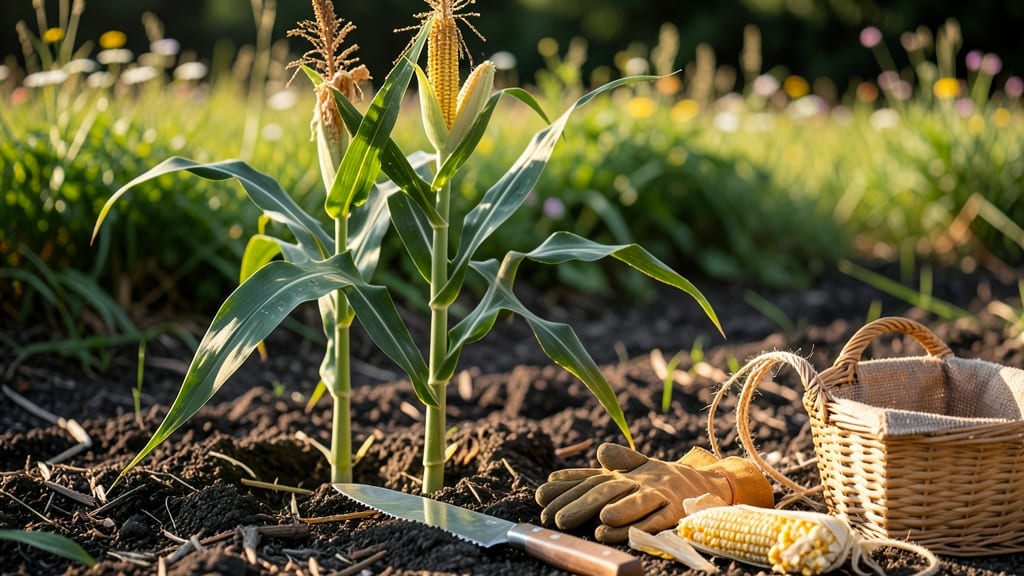
To harvest popping corn at its peak, watch for husks that turn dry and papery while the kernels rattle like a tiny drum 🌽 — that’s your cue the magic is about to happen.
Imagine the satisfaction of harvesting your own popping corn—golden kernels bursting with potential, ready to transform into a sweet, crunchy snack straight from your garden. But timing and technique are everything, and one wrong move can turn your harvest into a disappointing mess.
Most gardeners miss the ideal window because they focus on the wrong signs: green husks or moist ears mean the kernels aren’t ready yet.
By the time the husks are fully brown and the stalks feel brittle, you’ve got just a few days to act before the kernels lose their popping power.
In this guide, I’ll walk you through the exact steps to harvest, dry, and store your corn so every kernel pops perfectly—no guesswork, no wasted effort. Let’s make sure your hard work pays off with a bowl of homemade popcorn that tastes better than anything store-bought.

When to harvest popping corn: identifying perfectly ripe kernels
Harvesting popping corn at the right moment ensures kernels that plump and pop perfectly. The window between underripe and overmature is narrow—just a few days can make all the difference. I’ve learned that relying on visual cues and tactile tests is the best way to avoid disappointment.
First, check the husks. When they turn completely brown and feel dry to the touch, that’s your first sign. The husks should also peel back easily without resistance. If they’re still green or even slightly moist, the kernels aren’t ready yet.
This is where many gardeners go wrong—they assume because the plant looks mature, the corn is too.
Next, give the ear a gentle shake. If the kernels rattle loudly inside, that’s a clear indication of ideal moisture content. This sound happens because the kernels have dried enough to create space between them.
If there’s no rattle or just a faint sound, wait a few more days. Overripe corn will feel lightweight and hollow when held.
Here’s a quick moisture test I swear by: Squeeze a kernel between your fingers. It should feel firm but slightly brittle, almost like a dried pea.
If it’s still soft or squishy, it’s not ready. If it crumbles too easily, it’s past its prime. Aim for that just-right texture—like a perfectly ripe avocado.
| Indicator | Ready for Harvest | Not Ready |
|---|---|---|
| Husk Color | Completely brown and dry | Green or partially green |
| Kernel Sound | Loud rattle when shaken | No sound or faint rattle |
| Kernel Texture | Firm but brittle | Soft or squishy |
| Ear Weight | Feels heavy for size | Lightweight or hollow |
| Moisture Content | Below 13-14% | Above 15% |
Don’t overlook the leaves at the top of the stalk. When they start to yellow and dry up, it’s another sign that the corn is nearing harvest. This is your plant’s way of telling you it’s redirecting energy to the kernels.
If you see blackened or moldy husks, harvest immediately—this indicates the corn has stayed too long on the stalk and could spoil.
Timing is also critical based on your climate. In cooler regions, popping corn may mature earlier (around 90 days), while warmer climates can extend the window to 120 days.
Keep an eye on the forecast too. If a hard frost is expected within the week, harvest sooner rather than later, even if the corn isn’t perfectly ripe.
One mistake I made early on was harvesting based on calendar dates rather than the plant’s signals. I ended up with corn that was either underdeveloped or too dry to pop.
Now, I always double-check with at least two of these indicators before cutting. For example, I’ll confirm the husks are brown and the kernels rattle before making the final call.
Pro tip: Harvest on a dry, sunny day to allow the ears to dry naturally. Cut the stalks with a sharp knife or pruners about 6 inches below the ear.
This extra length helps with drying. After cutting, hang the ears upside down in a well-ventilated area for 1-2 weeks to complete the drying process.
If you’re unsure whether your corn is ready, test a few kernels. Pop one in a pot on the stove—if it bursts with a satisfying pop and a sweet aroma, you’ve nailed the timing.
If it’s dull or burns without popping, it’s not quite there yet. This simple test saves a lot of guesswork and wasted effort.
Remember, patience is key. Rushing the harvest can leave you with hard, unpoppable kernels, while waiting too long risks spoilage or animal damage. When in doubt, err on the side of waiting—you can always harvest later, but you can’t un-ripen corn once it’s overmature. 🌽
Step-by-step guide to harvesting popping corn for maximum yield
Harvesting popping corn at the right time ensures plump, flavorful kernels that pop perfectly. The process starts with the right tools and timing, then moves to careful handling to preserve quality.
One wrong move—like harvesting too early or drying improperly—can ruin your entire harvest. Let's walk through each step to maximize your yield and enjoy those sweet, crunchy pops later.
Before you begin, gather your harvesting tools: sharp pruning shears, a bucket, a kitchen scale, and a well-ventilated drying area. The ideal weather for harvesting is dry and sunny, with temperatures between 70-80°F.
Avoid harvesting after rain, as excess moisture can lead to mold or uneven drying. Now, let’s dive into the step-by-step process to ensure your popping corn is ready for the pot.
One common mistake is harvesting too late, which results in shriveled kernels that won’t pop. Always check for the rattle test: shake a husked ear—if the kernels sound hollow, they’re ready.
Another pitfall is drying the corn too quickly, which can cause cracking. Spread ears evenly and rotate them weekly for consistent drying.
Proper storage is just as critical as harvesting. After shelling, keep your popping corn in a paper bag or cloth sack to allow airflow. Avoid airtight containers, which trap moisture and lead to mold.
Store in a cool, dark pantry or freezer for long-term preservation. With these steps, you’ll enjoy homegrown popping corn that’s sweeter and fresher than store-bought.
Now that your popping corn is harvested and stored, you’re ready to enjoy the fruits of your labor. There’s nothing like the satisfaction of popping kernels from corn you grew yourself—pure, sweet, and completely worth the effort. Happy harvesting! 🌾