
How To
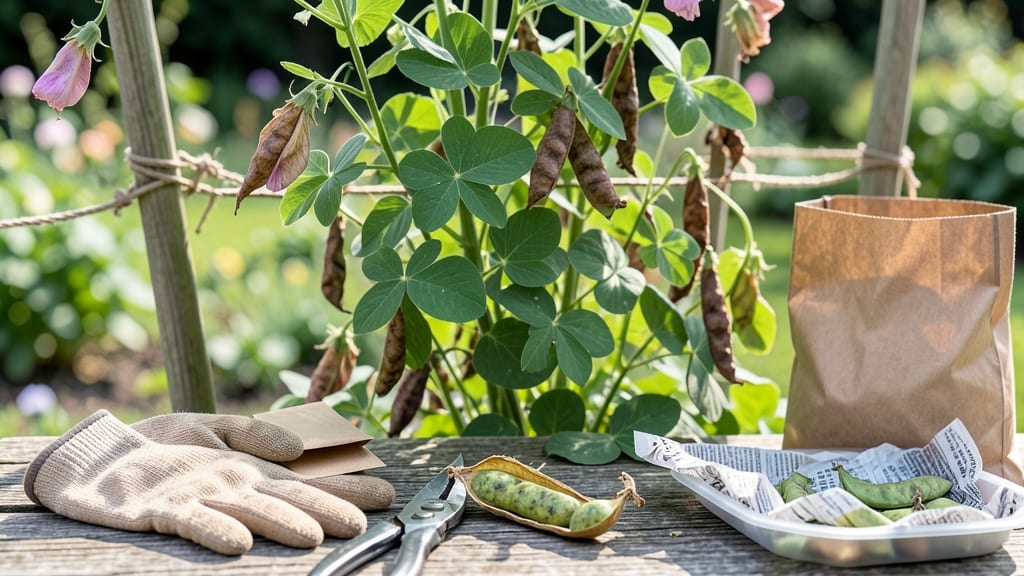
Harvesting sweet pea seeds 🌸 means waiting for the perfect moment—when pods crack open just enough to reveal plump, viable seeds ready for next year’s garden.
Picture this: you’ve spent months coaxing those delicate 🌸 sweet pea flowers to climb your trellis, only to wonder, When exactly do I collect the seeds? Miss the window, and you’ll either end up with immature seeds that won’t germinate or lose them entirely to overripe pods splitting on the vine.
Timing is the key—most gardeners wait until the pods turn brown and dry, a process that typically happens 4-6 weeks after flowering.
But there’s more to it than just color: you’ll also want to check for that telltale rattle when you shake the pod, signaling seeds are ready for harvest.
In this guide, I’ll walk you through how to spot ripe pods, the best way to collect and dry seeds, and the common mistakes that can turn your harvest into a bust.
By the end, you’ll have a stash of seeds ready to plant next spring, ensuring your sweet peas keep blooming for years to come.

When to harvest sweet pea seeds: identifying the perfect pod ripeness
Sweet pea pods start life bright green and plump, but the magic happens when they transform into dry, brown husks. This color shift signals seed maturity—the moment when your sweet pea seeds are ready for collection.
Missing this window means either underdeveloped seeds or scattered seeds lost to birds or wind. Let’s break down the key visual and tactile cues to harvest at peak ripeness.
First, watch for pod color changes. Fresh pods are vibrant green and firm to the touch. As they mature, they’ll fade to yellow-green, then progress to tan or brown.
This transition typically occurs 4-6 weeks after flowering, but environmental factors like temperature and sunlight can speed up or slow down the process. In hot, dry climates, pods may dry faster, while cool, damp weather can delay ripening.
Next, give your pods a gentle squeeze. When seeds are ready, they’ll rattle inside like maracas—this is your biggest clue that the seeds are fully developed. If you don’t hear that telltale sound, the seeds likely need more time.
Overripe pods may crack open naturally, releasing seeds prematurely, so stay vigilant during this stage. I’ve learned the hard way that waiting too long can mean lost seeds scattered across the garden.
Don’t rely solely on color or sound—also check the pod’s texture. Mature pods feel dry and papery, almost brittle. If you press a fingernail into the pod and it doesn’t dent easily, it’s likely ready.
Immature pods, on the other hand, will yield slightly under pressure. This tactile test is especially useful in overcast conditions, where color changes might be harder to spot.
Environmental factors play a huge role in pod ripening. Consistent sunlight and moderate temperatures (between 60-75°F) create ideal conditions. If your sweet peas are struggling in shade or extreme heat, pods may never fully mature.
I once grew sweet peas under a partial shade tree, and the pods stayed green and never developed seeds—a costly lesson in patience and placement!
Timing is critical because overripe pods split open, spilling seeds onto the soil. While you can still collect these seeds, they’re more vulnerable to mold, pests, or rot if left too long. The best time to harvest is when pods are fully brown but still intact.
This ensures maximum seed viability for your next planting season. Pro tip: Harvest on a dry, sunny morning to minimize moisture-related risks.
Here’s a quick visual checklist to confirm ripeness:
- Pod color: Tan or brown (not green)
- Seed sound: Rattling when shaken
- Pod texture: Dry and papery
- Stem condition: Starts to yellow or die back
If all these signs align, your seeds are ready for harvest!
One common mistake I’ve seen (and made!) is harvesting pods based solely on color without checking for rattle. A pod might look brown but still contain immature seeds if it doesn’t rattle.
Always double-check with your ears—this simple test saves time and frustration. I once harvested a batch of pods that looked perfect but failed to germinate because the seeds weren’t fully developed.
Environmental factors like humidity and rainfall can also affect ripeness. In humid climates, pods may mold before drying, while dry conditions speed up the process. If you’re in a high-humidity area, consider harvesting pods slightly earlier (when they’re tan but still intact) to avoid mold.
Conversely, in arid regions, pods may dry too quickly—harvest them before they crack open naturally.
Finally, pay attention to the plant’s overall health. As sweet peas mature, their stems may yellow
Step-by-step guide to collecting and drying sweet pea seeds
Sweet pea seeds are easy to collect once you know the right timing and techniques. The key is patience—waiting for pods to fully mature ensures high germination rates for next year’s garden.
I’ve harvested seeds for three seasons now, and these steps have become my go-to method for successful seed saving.
Before you begin, gather your essential tools: sharp pruning shears, a paper bag or envelope for collection, and a dry, well-ventilated space for drying.
Avoid plastic bags—they trap moisture and ruin seed viability. Let’s dive into the process step by step to ensure you preserve those seeds properly.
How to Harvest Sweet Pea Seeds
- 1 Identify mature pods: Look for brown, dry pods that rattle when shaken. Avoid green or firm pods—they’re not ready yet.
- 2 Harvest with care: Use clean pruning shears to snip pods at the stem. Place them in a paper bag immediately to prevent moisture loss.
- 3 Open pods gently: Once indoors, squeeze pods to release seeds. Discard any discolored or shriveled seeds—they won’t germinate.
- 4 Dry seeds thoroughly: Spread seeds on a paper towel in a dry, dark place for 2–3 weeks. Stir them daily to prevent mold.
- 5 Store in airtight containers: Once completely dry, transfer seeds to a labeled envelope or jar with a silica gel packet to absorb moisture.
After drying, your sweet pea seeds should be hard and dark-colored. Test a few by planting them in moist paper towels—if they sprout within 7–10 days, they’re ready for storage. Label each container with the variety name and harvest year to avoid confusion later.
Pro tip: Store seeds in a cool, dark place like a refrigerator or basement. Properly stored, sweet pea seeds can remain viable for 3–5 years, though germination rates drop after 2 years. Always plant fresh seeds for the best results.
Don’t let those beautiful blooms go to waste—collecting seeds is the ultimate way to save money and preserve heirloom varieties. With these steps, you’ll have a ready supply of seeds for next spring’s garden. Happy harvesting! 🌱