
How To
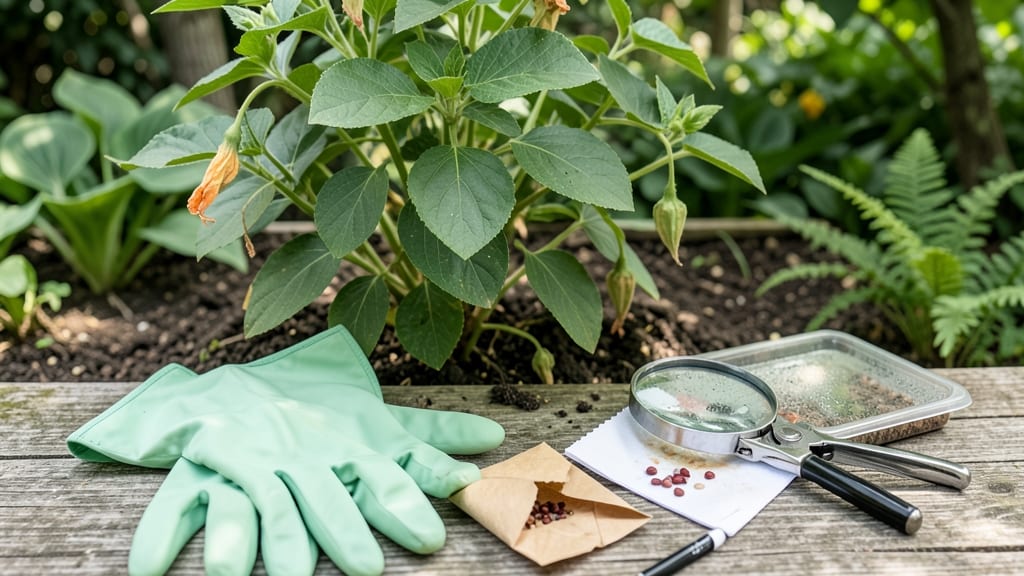
Harvesting impatiens seeds at the right moment turns those dry, cracked pods into a free stash of next year’s cheerful blooms 🌸 — and missing the window means watching them scatter to the wind.
If you’ve ever watched impatiens pods swell with seeds before mysteriously cracking open, you’re just moments away from a free supply of next year’s blooms—if you know when and how to harvest them.
Timing is everything: too early, and the seeds won’t be viable; too late, and squirrels or rain will claim them first. Below, I’ll walk you through the exact signs pods are ready, the tools you’ll need, and how to dry and store them for maximum germination.
You’ll also discover the three biggest mistakes gardeners make (and how to avoid them), plus a pro tip for testing seed viability before planting. Let’s get started!

When to harvest impatiens seeds: signs pods are ready
Harvesting impatiens seeds at the right moment ensures high viability and saves you from losing them to wildlife or weather. These delicate plants produce seed pods that mature quickly—often within 6-8 weeks after flowering.
Missing the window means scattered seeds or spoiled harvests, so knowing the visual and tactile cues is key to success.
Watch for color shifts in the pods as your first clue. Fresh pods start green and firm, but as they mature, they transition to a dry brown hue.
This change signals the seeds inside are fully developed and ready for collection. Ignoring this shift risks premature pod splitting, which can scatter seeds before you’re prepared.
The texture of the pods is another critical indicator. When ripe, they become dry and papery, almost brittle to the touch. Gently squeeze a pod—if it rattles with seeds inside, it’s time to harvest.
Overlooking this step can lead to seed loss from cracking pods, especially in humid conditions.
Environmental factors also play a role. Harvest on dry, sunny days to prevent mold growth during drying. Early morning is ideal because pods are less likely to split from overnight moisture. Avoid harvesting after rain, as damp pods can develop fungal issues or attract pests.
Here’s a quick reference to help you spot the perfect moment:
| Stage | Pod Appearance | Seed Condition | Action |
|---|---|---|---|
| Early | Green, plump, firm | Light, shriveled | Wait 2-3 weeks |
| Mid-Mature | Green-brown, slightly dry | Darkening, firming | Monitor daily |
| Ready to Harvest | Brown, dry, papery | Dark, hard, plump | Collect immediately |
| Overripe | Cracked, brittle | Scattered on ground | Too late—clean up |
Timing matters because impatiens seeds lose viability quickly once pods crack open. If left unattended, seeds may scatter on the soil or get eaten by birds or insects. To avoid this, harvest pods before they split—even if they’re not fully brown, if they’re dry and rattling, they’re close enough.
Pro tip: Use a paper bag to collect pods directly from the plant. This prevents seeds from spilling and makes it easier to monitor drying progress indoors.
Place the bag in a cool, dry spot (like a seed-starting tray) for 1-2 weeks to ensure seeds are fully dry before storage.
If you’re unsure whether a pod is ready, cut it open to check the seeds. They should be dark and firm, not light or shriveled. Light-colored seeds often indicate immature or non-viable seeds, which won’t sprout next season. Discard these to avoid wasting storage space.
Humidity is your biggest enemy when harvesting impatiens seeds. In high-humidity climates, pods may mold before drying properly. To combat this, use a dehumidifier or place pods in a mesh bag for better airflow. Never store seeds in plastic bags, as this traps moisture and encourages rot.
Once pods are fully dry, separate the seeds from the chaff and store them in a paper envelope or glass jar with a silica gel packet to absorb excess moisture. Label the container with the harvest date and variety—impatiens seeds stay viable for 2-3 years if stored correctly.
By mastering these harvesting cues, you’ll turn your impatiens plants into a self-sustaining seed source for years to come. Happy harvesting! 🌸
Step-by-step guide to harvesting impatiens seeds without waste
Once you’ve spotted those brown, papery pods on your impatiens, it’s time to act fast—seeds can scatter within 24 hours of cracking open. The key is to harvest them at the perfect moment to ensure high germination rates and avoid wasting your hard-earned blooms.
I’ve harvested impatiens seeds for years, and I’ve learned that the right tools and techniques make all the difference. Below, I’ll share my foolproof method for collecting seeds without loss, including how to dry them properly and store them for next season’s garden.
How to Harvest Impatiens Seeds
- Gather your tools: Wear gloves (to avoid skin irritation from sap), bring a small bowl or envelope, and have scissors or pruning shears ready.
- Select ripe pods: Look for pods that are dry and brown, often split open slightly. Avoid green or moist pods—they’re not ready yet.
- Harvest carefully: Snip the pods off the stem with clean scissors and place them in your bowl. Work quickly to avoid seed loss.
- Dry the seeds: Spread pods on a paper towel in a warm, dry place (like a sunny windowsill) for 3–5 days. Stir occasionally to prevent mold.
- Crack open pods: Once fully dry, gently crush the pods between your fingers or roll them with a rolling pin to release seeds.
- Remove debris: Use a fine mesh strainer or sift seeds through your fingers to separate them from chaff.
- Store properly: Place seeds in a paper envelope or airtight container with a silica gel packet to absorb moisture. Label with the date!
Pro tip: If you’re harvesting in humid climates, speed up drying by using a dehydrator set to 95°F for 2–3 hours. This prevents mold and ensures seeds stay viable for up to 2 years.
One common mistake I see is skipping the drying step—seeds stored in damp pods will mold quickly and lose viability. Always let them dry completely before storing to guarantee healthy sprouts next season.
Once your seeds are stored, you’re ready to plant them indoors 8–10 weeks before your last frost date. Just remember: impatiens seeds need warmth and light to germinate, so keep them cozy under a grow light until sprouts appear!