
How To
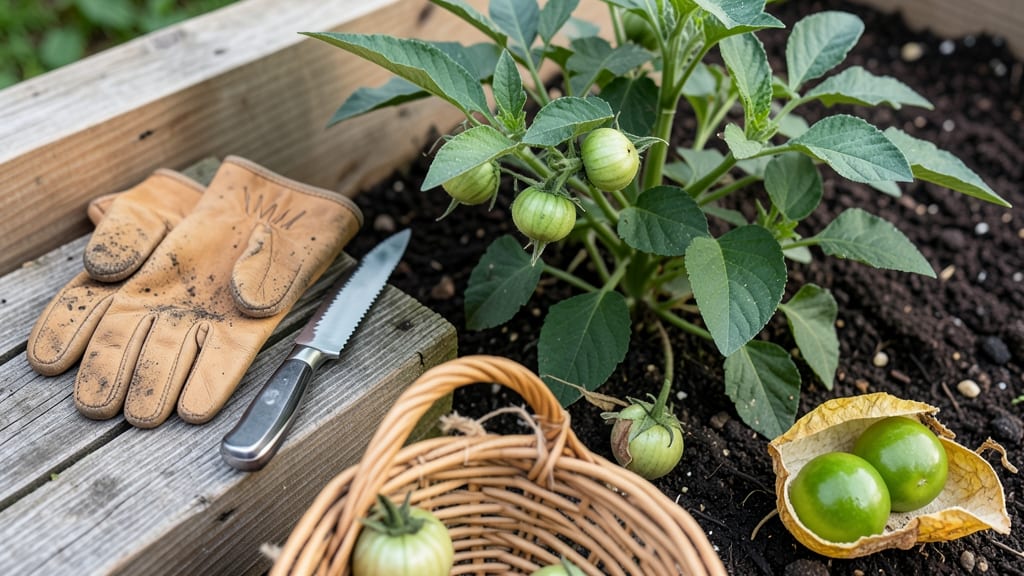
Knowing when to harvest tomatillos means catching them at the perfect moment for that signature tangy flavor 🌱 — and missing it leaves you with bland, mealy fruit instead.
Picking tomatillos at the wrong time means bland, mealy flavors instead of the bright tanginess they’re famous for—so how do you know when they’re truly ready?
Most gardeners rely on color and size alone, but the real secret is a mix of visual cues, firmness, and even the plant’s behavior. A pale green-to-purple hue, husks that split naturally, and a diameter of 1-2 inches are your first clues.
In this guide, I’ll walk you through three foolproof tests—plus how climate affects timing—so you never miss the sweet spot again.

3 Visual signs your tomatillos are perfectly ripe for harvesting
Harvesting tomatillos at the right moment transforms your salsa verde from bland to brightly tangy. The key lies in three simple visual cues that reveal peak ripeness. Ignore these signs, and you’ll end up with mealy, underripe fruits—or worse, overripe ones that split open and lose their signature snap.
Let’s break down what to look for in the garden.
First-time growers often make the mistake of harvesting too early, thinking larger size equals ripeness. But tomatillos follow their own timeline, and rushing the process dulls their zesty flavor.
The good news? Nature gives you clear signals if you know where to look. Pay attention to these three visual indicators, and you’ll never second-guess harvest time again.
🌱 numbered-highlights
- 1 Size: 1–2 inches in diameter (about the size of a golf ball). Smaller fruits are underripe, while larger ones may be overripe.
- 2 Color: Pale greenish-purple hue (not bright green or yellow). The husk should show subtle yellowing at the base.
- 3 Husk: Paper-thin husk begins to split open naturally. If it’s still tightly closed, wait a few days. If it’s rotting or moldy, harvest immediately.
Let’s start with size, the easiest cue to spot. When tomatillos reach 1–2 inches in diameter, they’re ready to pick. Think of them as the golf ball of the garden—neither too small (underripe) nor too large (overripe).
I’ve seen gardeners harvest these when they’re barely the size of a marble, and the flavor? Disappointingly mild. Wait for that perfect middle ground.
The color shift from bright green to a pale greenish-purple is your second green light. This hue signals the fruit’s sugars have converted, giving you that tangy kick in your salsa.
Pro tip: Check the husk’s base for yellowing—this is a telltale sign of ripening. If it’s still all green, give them another week.
Don’t overlook the husk condition, which often gets overlooked. A ripe tomatillo’s husk will start to split open naturally along one side, revealing the fruit beneath. If the husk is still tightly closed, the fruit isn’t ready.
But if it’s rotting or covered in mold, act fast—overripe tomatillos lose their quality quickly. This is where many gardeners go wrong, assuming a split husk means the fruit is bad.
One common mistake I see is harvesting by color alone. Bright green tomatillos might look appealing, but they’re often underripe and lack flavor. Conversely, yellow or brown husks signal overripeness, leading to mealy texture. Always combine these three cues—size, color, and husk condition—for foolproof results.
Climate plays a role here too. In hotter regions, tomatillos may ripen faster, so check them every 2–3 days. In cooler climates, they might take 10–14 days longer to reach peak ripeness.
Keep an eye on your plants, and don’t hesitate to harvest in the morning for the best flavor—this is when their acidity levels peak.
Once you’ve spotted these signs, harvest with care. Use pruning shears or your hands to gently twist the fruit from the stem. Avoid pulling, as this can damage the plant.
Store your freshly picked tomatillos in a paper bag in the fridge for up to a week, or use them immediately for the best results.
Mastering these visual cues ensures your tomatillos are bursting with tangy flavor every time. Next time you’re in the garden, take a moment to inspect your plants—your future salsa verde will thank you!
The touch test: how firmness reveals true ripeness vs. overripe tomatillos
Tomatillos rely on texture as much as color to signal ripeness. A simple firmness test can save you from picking bland, underripe fruit or mushy overripe ones.
The key lies in understanding how environmental factors like temperature and humidity affect their feel—dry heat makes them firmer faster, while damp conditions soften them prematurely.
Start by gently squeezing a mature-sized tomatillo (about 1-2 inches in diameter). Ready-to-harvest fruit should feel firm but slightly yielding, like a ripe avocado. If it springs back immediately, it’s underripe; if it leaves an indent, it’s overripe.
This tactile test becomes even more critical when husks begin splitting—a sign the fruit is nearing peak flavor.
📊 Comparison Table: Tomatillo Firmness Guide
| Stage | Firmness | Harvest Action | Flavor Risk |
|---|---|---|---|
| Underripe | Hard, no give | Wait 5-7 days | Bland, mealy |
| Perfectly Ripe | Firm with slight yield | Harvest immediately | Bright, tangy |
| Overripe | Soft, leaves indent | Use immediately or discard | Mushy, fermented |
Temperature plays a surprising role in firmness. In hot climates (USDA Zone 9+), tomatillos may feel firmer but ripen faster—check every 3-4 days once husks split. In cooler zones (6-8), they’ll stay firm longer but develop deeper flavor over 7-10 days post-split.
Always test multiple fruits per plant, as uneven sunlight causes inconsistent ripening.
For container-grown tomatillos, root-bound stress can make fruit feel artificially firm. If your plants are crowded, prioritize harvesting from the outermost branches first—they’ll be the most accurate indicators of true ripeness.
Pro tip: Tap the fruit gently against your palm—ready tomatillos make a hollow thud, while underripe ones sound dull.
Environmental stress like drought or sudden rain alters texture dramatically. After a dry spell, wait 24 hours before testing firmness, as dehydration makes fruit feel deceptively firm. Conversely, after heavy rain, expect accelerated softening—harvest within 48 hours if husks split.
These conditions explain why morning harvests (when dew evaporates) often yield the most reliable firmness readings.
Remember: The touch test is your best quality control. When in doubt, slice one open—ripe tomatillos have a creamy white center with no brown spots, while overripe ones develop a yellowish tint and fermented smell. Mastering this tactile skill ensures your salsa always sings with that signature tangy brightness🌱.