
Picking
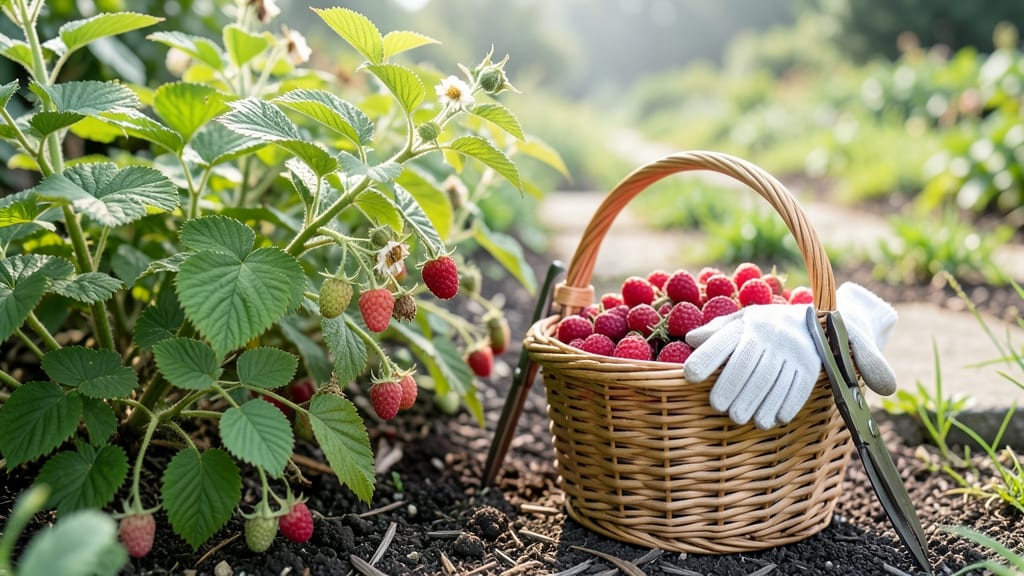
The raspberry harvest season determines whether your berries taste sweet or tart, and knowing exactly when to pick makes all the difference.
Picture this: you’ve waited all summer for those deep red 🍇 clusters, only to bite into a mealy, underripe berry that tastes more like disappointment than dessert. Timing is everything—pick too early, and you’ll miss peak flavor; too late, and the birds will beat you to it.
From June through September in USDA Zone 6a, raspberries ripen at different rates depending on whether your plants are summer-bearing or everbearing. But there’s a trick to spotting the perfect moment: look for berries that are fully colored, slightly soft to the touch, and detach easily when gently pulled.
Miss these cues, and you’ll sacrifice both sweetness and storage life.
In this guide, I’ll walk you through the best ways to time your harvest, test ripeness like a pro, and even extend your berries’ shelf life—so you can enjoy that summer harvest long after the season ends.

Best raspberry harvest season by variety and climate zone
Timing your raspberry harvest is everything—pick too early, and you get tart, mealy berries. Wait too long, and they turn mushy or attract pests. The key lies in understanding your raspberry variety and USDA climate zone.
Summer-bearing types produce one big crop, while everbearing varieties offer two harvests per year. Even a late frost can shift your timing by weeks, so knowing your zone is critical.
In USDA zones 6-9, summer-bearing raspberries typically ripen between mid-June and August, while everbearing types may produce a small fall crop in September or October.
Gardeners in zones 3-5 often see harvests delayed until late July due to cooler springs, while zones 10+ may enjoy multiple harvests throughout the year. Let’s break down the specifics for your region.
📌 PRO TIP: Always check for frost warnings in spring—young canes are especially vulnerable, and a late freeze can destroy early flowers. If frost is forecasted after blooms appear, cover plants with frost cloth to protect your harvest.
If you’re in USDA zone 3 or 4, your harvest window might stretch from late July to early September, especially for summer-bearing varieties. Cooler nights slow ripening, so berries develop sweeter flavors over time.
In zones 7-9, everbearing types like Heritage or Fall Red can produce a second crop in fall, but watch for early autumn frosts—they’ll halt ripening.
For Southern gardeners (zones 10+), raspberries thrive year-round with two peaks: spring (March-April) and fall (September-November). However, heat stress can reduce quality, so prioritize shade cloth during peak summer months. Varieties like Dorman Red or Boyne handle heat better than others.
Never assume your raspberry variety will ripen on schedule—always monitor berry color, size, and texture. A ripe raspberry should detach easily when gently pulled (the "twist-and-pull" test).
If it resists, it’s not ready. Overripe berries bruise easily and attract birds, so harvest frequently—every 2-3 days during peak season.
One critical mistake I see often? Harvesting in the heat of the day. Berries picked under direct sunlight spoil faster. Instead, harvest in the early morning when temps are coolest. Store them in the fridge (35-40°F) for up to 3 days or freeze for long-term storage.
For everbearing varieties, the first flush (spring) is often smaller but sweeter. The second crop (fall) is larger but may ripen faster. If your fall crop is underdeveloped, it’s likely due to summer heat stress or nutrient depletion.
Feed with a balanced fertilizer in early summer to boost production.
🌱 REGIONAL TIP: Northern gardeners should prioritize cold-hardy varieties like Nova or Boyne, while Southern growers can experiment with heat-tolerant types such as Florida 400
How to test raspberry ripeness for maximum sweetness and shelf life
Picking raspberries at the perfect ripeness ensures the sweetest flavor and longest shelf life. Overripe berries turn mushy, while underripe ones stay tart and mealy.
I’ve learned that timing your harvest—just when berries are deep red, plump, and easily detached—makes all the difference in taste and storage potential.
Start by examining the color of your raspberries. The ideal deep red hue (or golden-yellow for heritage varieties) signals full ripeness. A pale or patchy color means they need more time on the vine.
I also check for plumpness—ripe berries feel firm but yield slightly when gently squeezed, like a ripe peach.
🌱 Pro Tip: The detachment test is my foolproof method. Gently tug a berry—if it separates cleanly from the plant, it’s ready to pick. If it resists, leave it another day or two. Overharvesting can stress the plant and reduce next year’s yield, so I always prioritize quality over quantity.
🌿 Raspberry Harvest Season Checklist
- 🔴 Color: Deep red (or golden for heirlooms)
- 🤏 Texture: Plump, slightly soft when squeezed
- 🌱 Detachment: Berries pull away easily from the plant
- ⏰ Time: Early morning harvest (cooler temps preserve sweetness)
💡 Why it matters: Picking at peak ripeness locks in sugar content and extends shelf life by up to 50% compared to underripe berries.
For large harvests, I use harvesting shears to avoid damaging the canes, but for smaller batches, my fingers work just fine. Always handle berries gently to prevent bruising, which shortens their storage life.
After picking, I place them in a shaded, well-ventilated spot for a few hours to dry slightly—this prevents mold and keeps them fresh longer.
Post-harvest, store raspberries in the fridge (not the crisper drawer) for up to 3-5 days in a paper towel-lined container to absorb excess moisture. For longer storage, spread them on a tray and freeze them on a baking sheet before transferring to a bag—this prevents clumping and preserves texture.
I’ve found that frozen raspberries retain their flavor for up to 6 months!
If you’re drying raspberries, spread them in a single layer on a dehydrator or in a low-temperature oven (135°F) for 6-8 hours. Dried raspberries keep for up to a year in an airtight container, making them a great pantry staple.
The key is consistency—whether you’re eating them fresh, freezing, or drying, ripeness at harvest is everything.
One final tip: Harvest regularly—raspberries ripen in clusters, so check your plants every 2-3 days during peak season. This encourages more fruit production and ensures you always have the sweetest, freshest berries on hand. Happy picking! 🍇