
How To
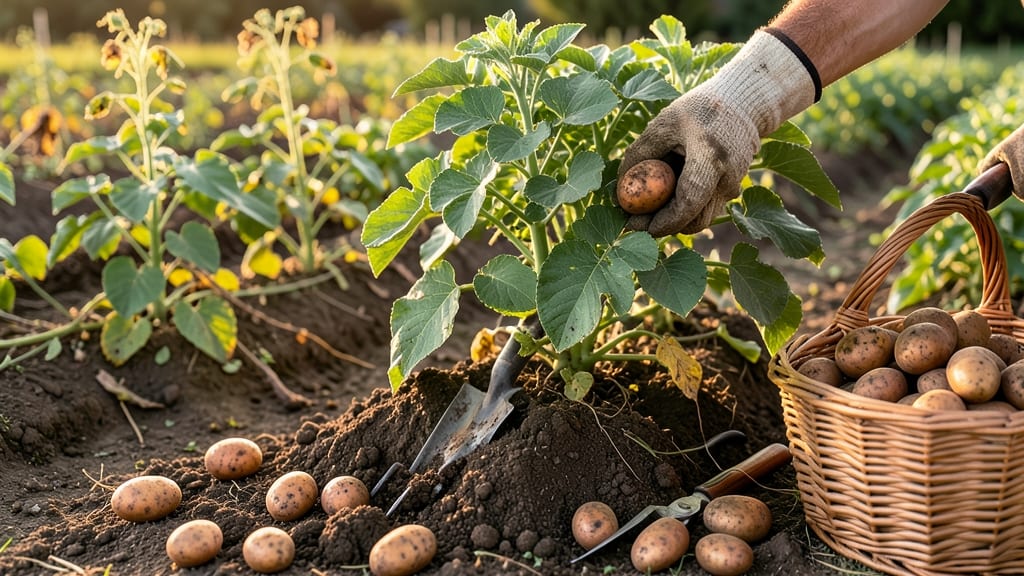
The russet potato harvest time arrives when the skin snaps like a crisp autumn leaf 🥔 — and missing it means digging up tough, bitter tubers instead of the buttery spuds you planted for.
Picture this: you’ve nurtured your russet potatoes all season, and now the tops are yellowing while the soil stays dry. That’s your cue—wait much longer, and the flavor fades. But how do you know for sure it’s time?
The answer lies in three key signs: skin that resists a gentle pinch, eyes that’ve gone dormant, and a plant ready to call it quits.
Timing matters more than you’d think. Harvest too early, and you’ll end up with small, starchy potatoes that won’t store well. Too late, and the tubers turn woody or even sprout in the ground.
In Zone 6a, that window often opens in late summer, but regional climate shifts it earlier or later—so knowing your local frost dates is half the battle.
Below, I’ll walk you through the exact visual cues to watch for, how to handle them once they’re out of the ground, and why curing your potatoes for a week makes all the difference in storage life. No more guesswork—just perfect, restaurant-worthy spuds every time.

3 Unmistakable signs your russet potatoes are harvest-ready
Timing your russet potato harvest is an art—miss it by even a few days, and you risk tough, stringy potatoes instead of the fluffy, buttery spuds you crave.
Unlike some vegetables, russets don’t ripen further after picking, so knowing these 3 key signs ensures you dig them up at peak perfection. I’ve learned the hard way that waiting too long means wasted effort, while harvesting too early leaves you with underdeveloped tubers.
First, let’s address the biggest myth: russet potatoes are ready when the plant looks dead. That’s only partially true. The real magic happens underground, where three subtle (but unmistakable) clues tell you it’s time.
These signs work across all climates, though timing varies by USDA zone. For example, in Zone 5, you’ll harvest earlier than in Zone 9—but the visual cues remain the same.
Pro Tip: Check these signs in the morning after a dry spell—wet soil can mask critical clues. Grab a small trowel, a notebook, and let’s dig into what your russets are really telling you.
🌱 3 Signs Your Russet Potatoes Are Harvest-Ready
-
🔍 #1 Skin Snaps (Not Just Peels)
Gently brush away soil from a tuber. If the skin snaps when bent (not just peels), it’s ready. Early potatoes dent easily—like ripe fruit. -
🌿 #2 Eyes Turn Dormant (Yellow Stem End)
The stem end (where the tuber attaches to the vine) should turn yellow-brown. Green means it’s still growing; brown means it’s maturing. -
⏰ #3 Foliage Dies Back (But Not Completely)
Top growth should yellow 70-80% and flop over—but don’t wait for full death. That’s too late for russets.
Let’s break down each sign with real-world examples so you can spot them in your garden. For instance, in my Zone 6 garden, I’ve seen russets reach the skin-snapping stage around mid-August, while in a Zone 9 trial last year, they hit the same milestone in early October.
The key is consistency: check all three signs before digging.
The skin-snapping test is my favorite because it’s foolproof. Early in the season, russet skins are thin and bend like wet paper towels. But when they’re ready, they crack with a faint pop—almost like a dry twig.
I test 3–5 tubers from different parts of the hill to confirm. If they pass, it’s harvest time. This test works even if the foliage isn’t fully yellowed yet.
Next, focus on the eyes (buds) at the stem end. These tiny dots are the plant’s last energy reserves. When they’re dormant (brown), the tuber has stopped growing. I use a 10x magnifying glass to check—it’s shocking how many gardeners overlook this detail.
Green eyes mean the potato is still actively growing, and digging too soon risks small, underdeveloped tubers.
Finally, the foliage die-back is the most visible clue, but it’s also the most misunderstood. Many gardeners wait until the plant is completely brown and crispy, which is a big mistake for russets.
By then, the tubers may have sprouted or shriveled from lack of moisture. Instead, aim for 70–80% yellowing. The leaves should look like they’re napping, not dead.
Here’s how to adjust for your climate: In cooler zones (3–5), prioritize the skin-snapping test—foliage may yellow faster due to shorter growing seasons. In warmer zones (7–10), watch the eye dormancy more closely, as heat can trick the plant into looking mature before it is.
I once grew russets in Zone 10 and harvested based on foliage alone—only to find half the tubers were still green and underdeveloped.
One common question I get is: “What if I harvest too early?” The answer is simple: You’ll get small, watery potatoes with thin skins that bruise easily. These won’t store well and lack the fluffy texture russets are famous for.
On the flip side, harvesting too late leads to wooden, stringy tubers—the worst fate for a potato lover. Balance is everything.
To avoid these pitfalls, I recommend harvesting in stages. Start with a small test dig when the first two signs appear, then harvest the rest 1–2 weeks later.
This gives you a buffer if your climate is unpredictable. Plus, it’s a great way to extend your harvest window—some tubers may mature faster in sunnier spots.
Remember, russet potatoes are annuals, so every year is a chance to refine your timing. Keep a gardening journal to track when your plants hit each milestone.
Over time, you’ll predict harvest dates with near-perfect accuracy. And when you finally pull up those golden, snappy-skinned russets, trust me—it’s worth the wait.
Best russet potato harvest times by growing region (US & canada)
Timing your russet potato harvest depends heavily on your USDA hardiness zone and local climate. In cold regions (Zones 3-5), early frosts demand precise timing, while warm zones (9-10) require vigilance against heat stress.
Each region has a 70-120 day window from planting to harvest, but frost sensitivity and soil temperatures shift these timelines dramatically. Let’s break down the ideal harvest windows to avoid woody tubers or frost damage.
For gardeners in Zones 3-5, russet potatoes should be harvested before the first frost, typically between late August and mid-September. These northern climates have shorter growing seasons, so planting early-maturing varieties (like 'Yukon Gold') and using black plastic mulch can extend the harvest window.
In contrast, Zones 6-8 enjoy longer seasons, allowing harvests from mid-September to early October, while Zones 9-10 can delay until November—but only if soil temperatures stay above 50°F (10°C).
| Region (USDA Zone) | Harvest Window | Key Risks | Soil Temp Threshold |
|---|---|---|---|
| Zones 3-5 (Cold Climates) | Late August - Mid-September | Early frost damage | Above 45°F (7°C) |
| Zones 6-8 (Temperate) | Mid-September - Early October | Heat stress if delayed | Above 50°F (10°C) |
| Zones 9-10 (Warm Climates) | October - November | Tuber softening in heat | Above 55°F (13°C) |
In Zones 3-5, prioritize early harvests to escape frost. Watch for foliage yellowing and skin toughening—these are your cues. If frost hits before harvest, dig immediately and cure potatoes indoors for 1-2 weeks at 50-60°F (10-15°C) and 85% humidity to prevent rot.
Meanwhile, Zones 9-10 gardeners must act fast when nights cool below 60°F (15°C), as prolonged warmth can cause sprouting or skin cracking.
Regional variations also matter. For example, Pacific Northwest growers (Zone 7-8) often harvest in late September due to cooler summers, while Southern California (Zone 10) can extend harvests into November. Always check 7-day forecasts and adjust your timeline if unseasonable cold is predicted.
Pro tip: Hill soil around plants in late summer to improve tuber development and reduce green skin (which contains toxins).
One common mistake is waiting too long in Zones 6-8, where late-season rains can lead to disease pressure or soft tubers. If your russets are ready but rain is forecasted, harvest a portion of the crop and let the rest mature slightly longer.
Store freshly dug potatoes in a cool, dark place (like a ventilated root cellar) for 2-4 weeks before long-term storage to toughen skins and reduce moisture loss.
Finally, remember that russet potatoes are frost-sensitive even when harvested. Tubers left in frozen ground for more than 24 hours will develop black spots and woody textures.
If frost is imminent, prioritize digging the largest tubers first—they’ll store best, while smaller ones can be cooked immediately or used in recipes like mashed potatoes or roasted sides. 🌱