
How To
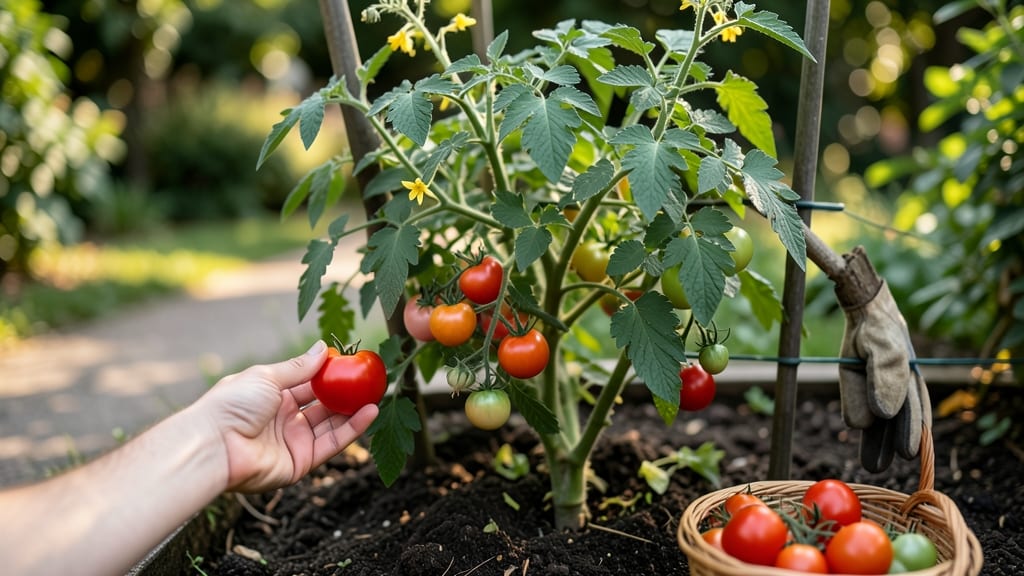
Tomatoes should be picked when their color shifts from green to deep, consistent hues like red, yellow, or purple—depending on the variety—and the stem releases easily with a gentle twist 🍅.
Picking tomatoes at the perfect ripeness ensures maximum flavor and texture—but many gardeners struggle to tell when they're truly ready to harvest. A single wrong pick can mean the difference between a juicy, sweet bite and a bland, underripe mess.
Color alone isn’t always enough to judge ripeness, especially with heirloom varieties that ripen unevenly. That’s why I’ll walk you through the stem test trick, texture cues, and even scent clues to avoid common mistakes like harvesting too early or waiting too long.
By the end, you’ll know exactly when to pluck your tomatoes for peak flavor, plus how to store them afterward to keep them fresh longer.


Tomato ripening colors explained: from blush to deep red (and beyond)
Understanding tomato ripening colors is the first step to harvesting perfect fruit. The transition from green to deep red (or other mature hues) signals when tomatoes are ready to pick—but not all colors mean the same thing.
Heirloom varieties like Brandywine develop rich, deep reds, while hybrids such as Early Girl may blush pink before turning red. Each color stage reveals clues about flavor, texture, and even storage life.
For most gardeners, the green-to-red progression is the most familiar. However, tomato colors can range from yellow to orange, purple, or even black, depending on the variety. Misreading these cues can lead to underripe tomatoes that lack sweetness or overripe ones that turn mealy.
Let’s break down what each color means and when to harvest for peak flavor.
| Color Stage | Ripeness Level | Flavor & Texture | Harvest Time | Best For |
|---|---|---|---|---|
| Solid Green | Unripe | Hard, bitter, no sweetness | Do not harvest | None |
| Blush (Pinkish) | Early Ripening | Firm, slightly sweet | Pick if stem snaps | Salads, salsas |
| Pink | Ripening | Juicy, mild sweetness | Harvest soon | Sandwiches, sauces |
| Deep Red | Fully Ripe | Sweet, tender, peak flavor | Harvest immediately | Eating fresh, canning |
| Orange/Yellow | Fully Ripe (Varietal) | Sweet, sometimes citrusy | Harvest when color deepens | Salads, desserts |
| Purple/Black | Fully Ripe (Heirloom) | Rich, smoky flavor | Harvest when deep purple | Gourmet dishes |
The blush stage (light pink) is a common early sign of ripening in many hybrid tomatoes. At this point, the tomato is still firm but developing sweetness.
If you’re growing cherry tomatoes, they may stay small but turn bright red—don’t wait for them to soften too much, as they’ll burst if overripe. For larger varieties like Beefsteak, wait until the red deepens fully for maximum flavor.
Heirloom tomatoes often have unique ripening patterns. For example, Black Krim tomatoes start green, turn deep purple, and finally develop a glossy black skin when fully ripe. Similarly, Yellow Pear tomatoes should be harvested when they’re a creamy yellow, not green.
Always check the variety’s description for specific cues—some tomatoes never turn fully red and are best picked at their mature color.
One common mistake is assuming all tomatoes ripen
The stem test method: how to verify ripeness beyond color
Color alone can be deceiving when picking tomatoes—some varieties like Green Zebra stay green even when ripe, while others like Black Krim turn deep purple. That’s why I rely on the stem test as my foolproof ripeness check.
This simple method reveals whether your tomato is truly ready to harvest, regardless of its color. The best part? It works for heirloom, hybrid, and even cherry tomatoes.
Here’s the secret: a ripe tomato’s stem should separate effortlessly from the vine with just a gentle twist. If you pull hard and the stem snaps off cleanly, that’s a good sign—but if it resists or tears, your tomato isn’t ready yet.
This test cuts through color confusion and tells you exactly when to harvest for peak flavor and texture. Let’s break it down step by step so you never miss the perfect pick again.
⚠️ callout warning
Color varies by variety, but here’s the rule: red tomatoes should be deep, even red (no green stem end). Yellow tomatoes turn creamy, green ones develop stripes, and purple/black varieties deepen to rich hues. But color isn’t everything—always test the stem!
The stem test works because ripe tomatoes produce an enzyme called polygalacturonase, which weakens the stem’s connection to the vine. When you twist a ripe tomato, the stem should separate cleanly at the fruit shoulder—the area where the tomato meets the vine.
If you feel resistance or hear a crack, the tomato needs more time. This method is especially useful for heirloom varieties, which often ripen unevenly.
To perform the test, grasp the tomato firmly with one hand and the vine with the other. Apply a slow, gentle twist (don’t yank!). If the stem detaches with minimal force, your tomato is ready. If it resists, wait another 2-3 days and test again.
Pro tip: Check in the morning when stems are less stiff from overnight coolness. This small habit saves you from picking tomatoes that are underripe and bland or overripe and mealy.
What if your tomato looks ripe but fails the stem test? This happens with cold nights, shady spots, or nutrient deficiencies. Move it to a sunnier location and monitor daily. For cherry tomatoes, which ripen faster, test every 1-2 days to avoid missing the window.
If the stem still won’t release, the tomato may never fully ripen—harvest it anyway for green tomato recipes or let it ripen indoors with a paper bag (ethylene gas speeds up the process!).
Remember, the stem test isn’t just about ripeness—it’s about quality. Tomatoes picked at the right moment have better flavor, firmer texture, and longer shelf life.
Over time, you’ll develop a feel for when your plants are ready, but the stem test remains your best friend, especially for first-time gardeners or tricky varieties. Once you master it, you’ll never second-guess your harvest again!