
How To
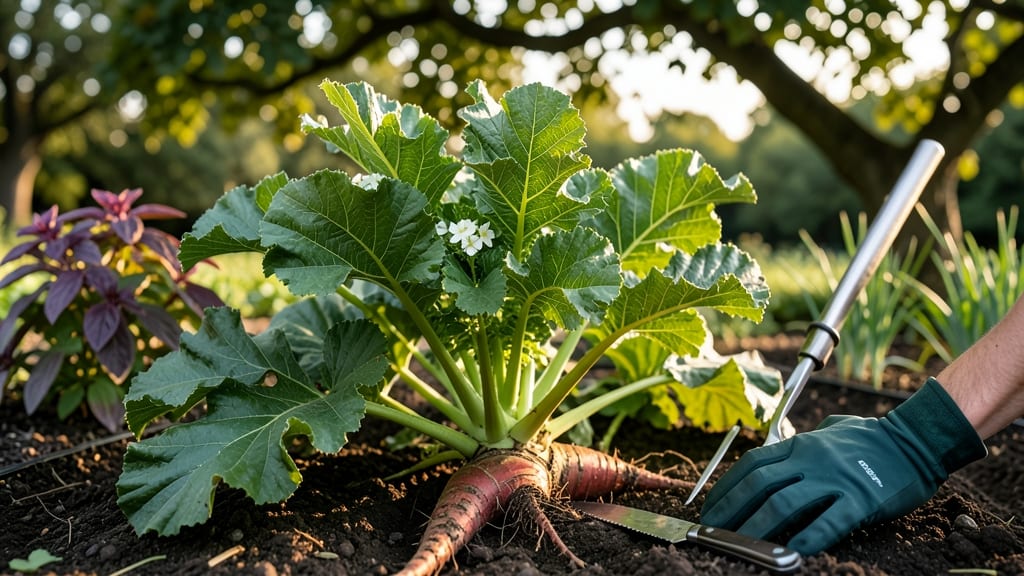
The best time to pick horseradish is when roots reach 1-2 inches thick and leaves begin turning yellow 🌱—typically between late fall and early winter.
Picking horseradish at the wrong time can turn your harvest from fiery delicious to bitter disappointment—here’s exactly when to dig for peak flavor and potency.
In USDA Zone 6a, aim for harvest between October and December, before the first hard frost, which can make roots woody and less flavorful. The key is waiting until roots are fully developed but still tender.
Below, I’ll break down how to check for readiness, when frost becomes a problem, and how to store your harvest for maximum heat and freshness.

Optimal horseradish harvest time based on root size and growth stage
Timing your horseradish harvest correctly ensures maximum flavor potency and root development. Unlike annual crops, horseradish thrives as a perennial, meaning it grows back yearly—but only if you harvest it properly.
The key is waiting until roots reach 1-2 inches thick and 6-8 inches long, when their signature heat fully develops.
Most gardeners harvest in late fall (October-November) before the first hard frost, but biennial varieties may need a different approach. Understanding these stages prevents bitter, underdeveloped roots that ruin your culinary plans.
Comparison Table: Horseradish Harvest Timing by Growth Stage
| Growth Stage | Root Size | Best Harvest Time | Flavor Development | Seasonal Window |
|---|---|---|---|---|
| Early Growth | Under 4 inches | Not ready | Mild, underdeveloped | Spring-Summer |
| Ideal Harvest | 1-2 inches thick, 6-8 inches long | Late fall (Oct-Nov) | Peak heat, full potency | Before hard frost |
| Over-Mature | Thicker than 2 inches | Possible, but flavor declines | Bitter, woody texture | Winter (if frost-protected) |
| Biennial Varieties | 1-1.5 inches thick | Second-year spring | Strongest in year 2 | April-May |
For perennial horseradish, aim to harvest in late fall when roots hit 1-2 inches thick. This size ensures the best balance of flavor intensity and texture. If you wait too long, roots become woody and bitter—like chewing on a tree branch instead of a spicy condiment.
Check for readiness by gently digging up a test root. A fully mature horseradish root should feel firm and emit a sharp, pungent aroma when cut. If it smells mild or looks underdeveloped, give it more time—patience pays off with fiery flavor.
In USDA Zone 6a (like much of the Midwest), the ideal harvest window is October through November, just before the first hard frost. In warmer climates (Zones 7-9), you can extend harvesting into December, but monitor temperature drops closely.
If you’re growing biennial varieties, harvest in late spring of the second year (April-May) when roots reach 1-1.5 inches thick. These varieties develop their strongest flavor in their second growing season, so don’t rush the harvest—wait for peak potency.
Pro tip: Mark your calendar 6-8 weeks before your average first frost date. This gives horseradish enough time to bulk up before winter sets in. In colder regions, consider mulching heavily to protect roots for next year’s harvest.
One common mistake? Harvesting too early for milder flavor. Young horseradish roots lack the sinigrin compounds that create heat. Wait until roots are at least 6 inches long—this ensures a spicy kick that’ll make your taste buds dance.
For perennial plants, you can leave some roots in the ground to regrow, but always harvest the largest, most mature roots first. This encourages the plant to produce even more robust roots next season. Just remember: less frequent harvesting = bigger, fiercer roots.
How frost affects horseradish flavor and when to harvest before winter
Frost transforms horseradish from fiery delicious to painfully bitter—thanks to the plant’s natural defense mechanism. When temperatures drop below 28°F (-2°C), horseradish roots convert their sinigrin compounds into allyl isothiocyanate, the chemical responsible for that signature burn.
This chemical reaction intensifies with each freeze-thaw cycle, making frost-bitten roots nearly unusable for fresh use.
The key to preserving that signature heat lies in timing your harvest. For most gardeners in USDA Zones 5-8, this means digging roots 4-6 weeks before the first expected frost.
In my Zone 6a garden, I aim to harvest by late October to avoid the first hard freeze, which typically hits around October 31st in my region.
Here’s the critical window: mid-to-late fall when roots reach 6-8 inches in length but before the soil temperature drops below 40°F (4°C). This timing balances flavor development with frost avoidance, ensuring you get the sharpest, most potent roots possible.
⚠️ When Is the Best Time to Pick Horseradish?
Harvest horseradish roots when they’re 6-8 inches long and leaves start yellowing—4-6 weeks before first frost. Never harvest after frost: roots become bitter and woody. Use a fork or spade to avoid damaging the crown for regrowth next year.
If you miss the fall window, don’t panic—horseradish is perennial and will regrow from the crown. However, spring-harvested roots tend to be milder since they haven’t had time to develop full potency. For the spiciest flavor, always prioritize a fall harvest before the ground freezes.
Protecting roots over winter is simple: mulch heavily with straw or leaves (4-6 inches) to insulate the soil. In colder climates (Zone 4 or below), consider burying roots deeper (6+ inches) or using row covers to delay frost damage.
This preserves the crown for next year’s stronger, more vigorous growth.
Remember, the earlier you harvest, the more mild the flavor—but the closer to frost, the more intense (and potentially bitter) the roots become. Strike that balance, and you’ll have horseradish that’s perfectly potent for grated dishes or storage.