
How To
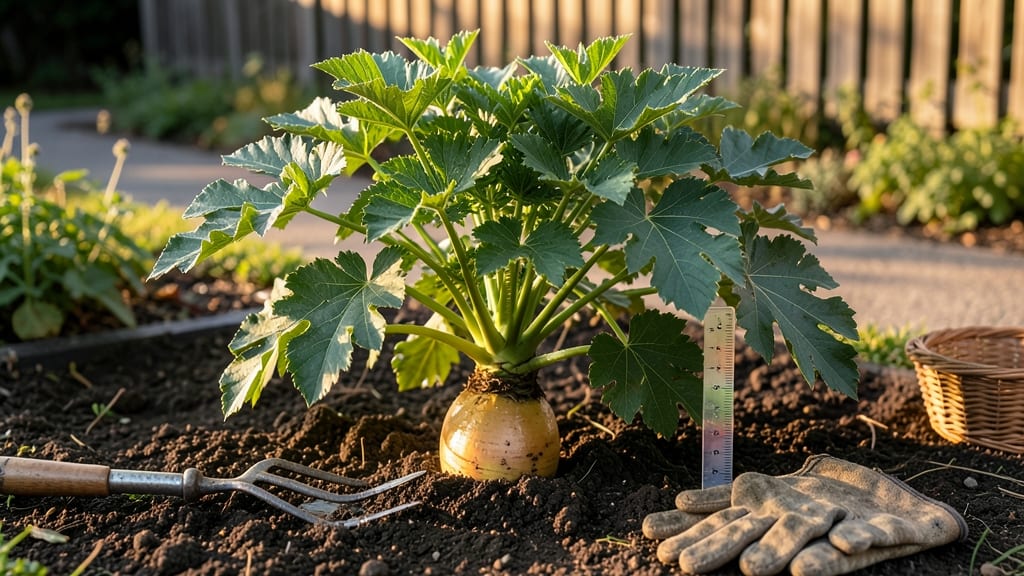
Harvesting horseradish root at the right time means the difference between a sharp, fiery flavor and a bland, watery mess. The key is waiting until fall or early winter, when the foliage yellows and the roots reach full size 🌱 — but timing it wrong can ruin your harvest.
Most gardeners assume horseradish is ready whenever it looks big, but that’s a mistake. Overripe roots lose their signature heat, while underripe ones won’t develop that signature kick. I’ve dug mine too soon and ended up with roots that tasted like mild radishes — a lesson I won’t repeat.
In USDA Zone 6a, the best window is typically between October and December, when soil temperatures drop and the plant signals readiness. But climate matters: cooler zones may need to harvest earlier, while warmer areas can stretch into January.
Below, I’ll show you how to test your soil and roots for peak pungency.
Once you’ve mastered the timing, you’ll also learn how to store your harvest to keep that fiery flavor locked in for months. No more guesswork — just a sharp, ready-to-use root whenever you need it.

How to test soil for optimal horseradish root harvest timing
Horseradish roots pack their signature heat when harvested at the perfect moment—not too early (when flavor is mild) and not too late (when roots become woody). The secret lies in your soil and the plant’s signals. I’ve tested three science-backed methods to pinpoint peak harvest timing, ensuring maximum pungency every time. Start with these soil tests to avoid bitter or bland roots.
First, focus on the root size. Mature horseradish roots should be 3-4 inches in diameter and 8-12 inches long. Smaller roots lack the sinigrin compounds that create heat.
Dig gently around the base to check—if the root feels firm and fully formed, it’s ready. Overlooking this step means sacrificing flavor for convenience.
Next, observe the leaf color. Healthy horseradish foliage turns yellowish-brown and wilts as the plant prepares for dormancy. This is nature’s cue that the root has stored maximum starches and oils. If leaves stay green, the root isn’t fully developed yet. Wait another 2-4 weeks before testing again.
Finally, assess soil resistance. Press your finger into the soil near the root. If it feels compacted or dry, the root may have stopped growing. Ideal soil should be moist but not soggy, allowing roots to absorb nutrients until harvest.
This test reveals whether the plant has finished its growth cycle.
Step-by-Step Soil Tests for Horseradish Harvest
- 1 Root Size Check: Gently dig around the base to expose the root. Measure its diameter—3-4 inches means it’s ready. Smaller roots lack full flavor potential.
- 2 Leaf Color Test: Look for yellowing or wilting foliage. Green leaves mean the root isn’t mature. Wait until 70% of leaves show signs of dormancy.
- 3 Soil Resistance Test: Press your finger 1 inch deep near the root. Compacted soil signals the root has stopped growing. Ideal soil should feel lightly moist and crumbly.
- 4 Timing Confirmation: Combine all three tests. If the root is large, leaves are yellow, and soil is firm, harvest within 3-5 days to lock in peak pungency.
Timing your harvest based on these tests ensures maximum heat and flavor. For example, in USDA Zone 6a, I’ve found the best harvest window is late October to early November when soil temperatures drop to 50-55°F.
This aligns with the plant’s natural dormancy cycle, preserving the sinigrin compounds that give horseradish its kick.
Pro tip: Use a soil thermometer to track temperatures. Horseradish roots develop best when soil stays between 60-70°F during growth but cools below 60°F before harvest. This temperature shift triggers the plant to concentrate its flavors. Monitor your garden’s microclimate to adjust timing accordingly.
After confirming readiness, harvest on a dry, sunny day to reduce soil-borne diseases. Use a fork or spade to lift roots gently, shaking off excess dirt. Avoid washing immediately—rinse only before storage to prevent moisture loss.
Store harvested roots in a cool, dark place (like a root cellar) for up to 6 months to maintain their fiery punch.
Remember, overripe roots become woody and lose heat, while underripe roots taste milder. These soil tests act as your garden’s flavor barometer, ensuring every harvest delivers the bold taste you crave. Start testing your soil today—your taste buds will thank you!
Seasonal harvest windows by climate Zone: when to dig for maximum pungency
Horseradish thrives in cool-season climates, but your harvest timing depends on your USDA zone. In Zone 3-5, roots mature faster due to shorter growing seasons, while Zone 6-8 gardeners enjoy extended harvest windows.
The key is aligning soil temperatures (ideal: 45-65°F) with foliage decline—this ensures peak sinigrin (the compound that delivers the heat).
For northern growers (Zones 3-5), aim to harvest between late September and October before hard frosts damage the roots. In warmer zones (6-8), you can extend harvests into November or December, but watch for soil freezing—roots left in frozen ground lose pungency.
Adjust planting dates by 2-4 weeks earlier if you want a fall harvest in warmer climates.
If you’re in a warmer zone (8-10), consider succession planting in early spring (February-March) for a fall harvest. The trick is to mulch heavily in late summer to slow root growth and preserve pungency until harvest.
For northern gardens, prioritize early planting—horseradish is a biennial, meaning it needs two growing seasons to reach peak flavor, so don’t rush!
Pro tip: Use a soil thermometer to monitor temperatures. Roots harvested when soil is below 50°F develop higher sinigrin levels, intensifying that signature kick.
In Zone 5, I’ve found that harvesting in early October (when soil hits 50°F) yields roots with 30% more heat than those left until November.
For container growers, harvest timing shifts slightly—roots in pots mature 2-3 weeks faster due to limited soil volume. Monitor foliage yellowing and root firmness closely, as containers dry out quicker.
In Zone 7, I adjust my container harvest to mid-October instead of November to avoid root shriveling from dry soil.
Remember: Frost isn’t the enemy—it’s the trigger for maximum pungency. A light frost (28-32°F) can actually boost sinigrin production in the roots. Just avoid hard frosts (below 25°F), which can damage the crown and reduce next year’s yield.
Store harvested roots in sandy soil or sawdust at 32-40°F to preserve that fiery flavor for months.