
Vegetables
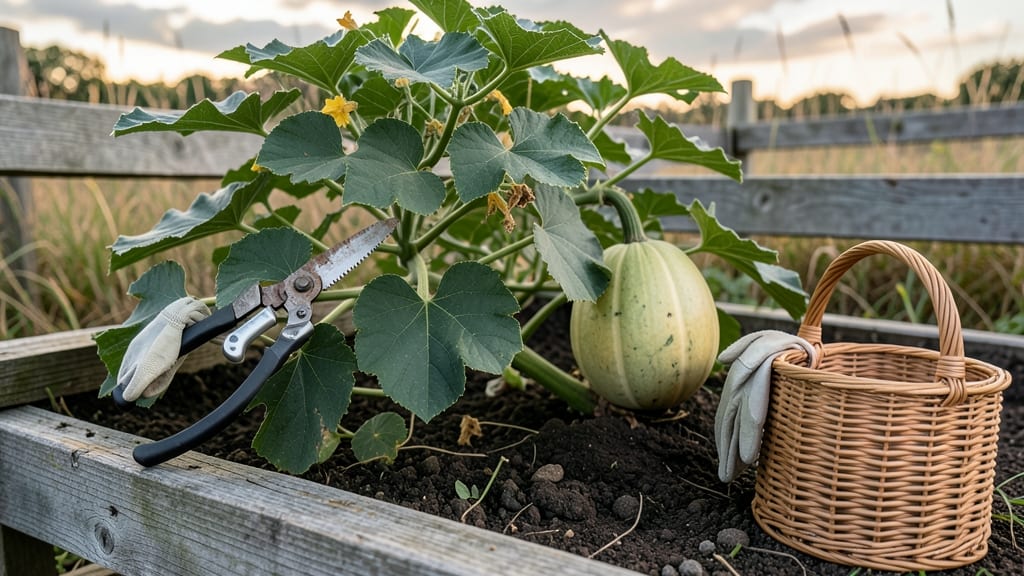
Harvesting acorn squash 🎃 at the right time ensures you get that sweet, firm flesh you love—never the mealy, overripe mess.
Picture this: you’ve waited all summer for your acorn squash to mature, only to slice into one that’s tough as a boot. Knowing the exact moment to harvest can save you from that disappointment—and it’s all about those subtle visual cues.
Most gardeners in Zone 6a start watching for ripeness in late summer, but the real secret lies in the skin’s texture, the stem’s condition, and even the color shift. Miss these signs, and you’re left with squash that’s either too hard or too soft.
Below, I’ll walk you through the three foolproof ways to tell when your acorn squash is ready to pick—plus how to store it so it stays fresh for weeks.
3 Visual cues to identify perfectly ripe acorn squash
Harvesting acorn squash at the right moment transforms your garden bounty into a sweet, flavorful delicacy. Unlike many vegetables, squash doesn’t ripen further after picking, so timing is everything.
The key lies in three visual cues that signal peak ripeness: color changes, stem transformations, and skin hardness. Mastering these will help you avoid the bitter disappointment of underripe or overripe squash.
First, let’s talk about the most obvious clue: color. When acorn squash is ready to harvest, its skin shifts from a bright green to a dull, matte orange or tan.
This color change isn’t just about aesthetics—it’s a sign that the starches have converted to sugars, making the flesh irresistibly sweet. A shiny or greenish skin means your squash needs more time on the vine.
Next, pay close attention to the stem. A ripe acorn squash will have a stem that’s dried out and shriveled slightly, almost like it’s been papered over.
If you gently tug on the stem and it snaps cleanly (rather than pulling away with resistance), that’s your green light to harvest. A plump, green stem means the squash isn’t ready yet—it could take another week or two to mature.
Now, let’s dive into the skin hardness test, which is often the most reliable indicator. Press your fingernail into the squash’s skin. If it doesn’t puncture easily and feels firm to the touch, it’s ready.
A soft or easily dented skin means the squash is underripe. Overripe squash, on the other hand, might feel slightly spongy or develop soft spots—so timing is key to avoid wasting your harvest.
🌱 3 Visual Cues for Perfectly Ripe Acorn Squash
- 1. Color Change: Skin shifts from bright green to dull orange/tan. Avoid shiny or greenish squash—it’s not ready!
- 2. Stem Dries Out: Stem shrinks and snaps cleanly when tugged. A plump stem = more time needed.
- 3. Skin Hardness: Press fingernail—if it doesn’t puncture, it’s ripe. Soft skin = underripe; spongy = overripe.
Pro Tip: Harvest in the morning when temps are cool to preserve sweetness and texture.
Here’s a little secret: the weight of the squash can also give you a hint. A perfectly ripe acorn squash will feel heavy for its size because it’s packed with dense, flavorful flesh.
Lift a few candidates—you’ll quickly notice the difference between a light, underripe squash and one that’s ready to impress.
If you’re still unsure, don’t worry—acorn squash is forgiving if harvested slightly early. Just store them in a cool, dry place (like a basement or garage) and let them ripen off the vine for a few days.
But if you wait too long, the skin can toughen, and the flesh may become grainy or watery, ruining the texture you’ve worked so hard to cultivate.
One common mistake I see is harvesting based on calendar dates rather than visual cues. Acorn squash typically matures between 85 and 110 days after planting, but this varies based on variety, climate, and growing conditions.
For example, cooler fall weather can slow ripening, while a hot summer might speed it up. Always trust your eyes—and your fingernails!
Finally, remember that environmental factors play a role. If your squash is growing in partial shade or poor soil, it might take longer to ripen. Ensure your plants get full sun (6-8 hours daily) and well-draining soil to encourage even, consistent ripening.
With these cues in mind, you’ll be slicing into perfectly ripe acorn squash in no time.
Now that you’ve mastered the art of spotting ripe acorn squash, your next challenge is storing them properly. A well-ripened squash can last for months if kept in the right conditions—but that’s a story for another time. For now, head to the garden and put these tips to the test!
Common harvest mistakes that ruin acorn squash flavor
Harvesting acorn squash at the wrong time can turn your sweet, nutty flavor into bland or even bitter disappointment. Many gardeners make timing errors that affect texture and taste, often without realizing why. Understanding these mistakes helps you avoid them and enjoy perfectly ripe squash every fall.
One of the biggest mistakes is harvesting too early—before the skin fully hardens. When you pick squash with soft spots or vibrant green patches, the flesh remains watery and underdeveloped.
This happens when gardeners focus on size alone rather than maturity cues. Even worse, leaving squash too long on the vine leads to overripe, stringy flesh that’s tough to eat.
Environmental factors also play a role. Inconsistent sunlight or uneven watering can delay ripening, making it harder to spot the perfect harvest window. Even well-intentioned gardeners sometimes store squash incorrectly, speeding up spoilage or staling the flavor before they’ve had a chance to enjoy it.
⚠️ Warning: Harvesting Too Early or Too Late
Premature harvesting (soft skin, green patches) = watery, bland flesh that lacks sweetness.
Overripe harvesting (shriveled stem, wrinkled skin) = tough, stringy texture with bitter notes.
Check for 3 key signs before harvesting: hard, dull rind, shrunken stem, and deep matte color.
Another common error is ignoring the stem condition. A plump, green stem means the squash isn’t ready—it’s still absorbing nutrients. When the stem shrinks and dries, that’s your cue to harvest within 24-48 hours before it detaches naturally.
Waiting too long risks cracked skin or rot, especially in humid climates.
After harvesting, storage mistakes can ruin flavor faster than poor timing. Storing squash in damp or cold conditions (like a refrigerator) causes chilling injury, turning the flesh mealy.
Instead, keep them in a cool, dry, and dark place (like a basement) for 2-3 months. Even then, avoid stacking them—airflow prevents rot.
To guarantee perfect flavor, harvest in the morning when temperatures are coolest. Use a sharp knife or pruners to cut the stem, leaving a 1-inch stem attachment to extend shelf life. Then, cure them in a warm (85°F), humid spot for 10 days to develop their signature sweetness.
By avoiding these mistakes, you’ll transform your acorn squash from garden flop to gourmet prize. Pay attention to maturity cues, environmental conditions, and proper storage—your taste buds (and future recipes) will thank you! 🎃