
Planting
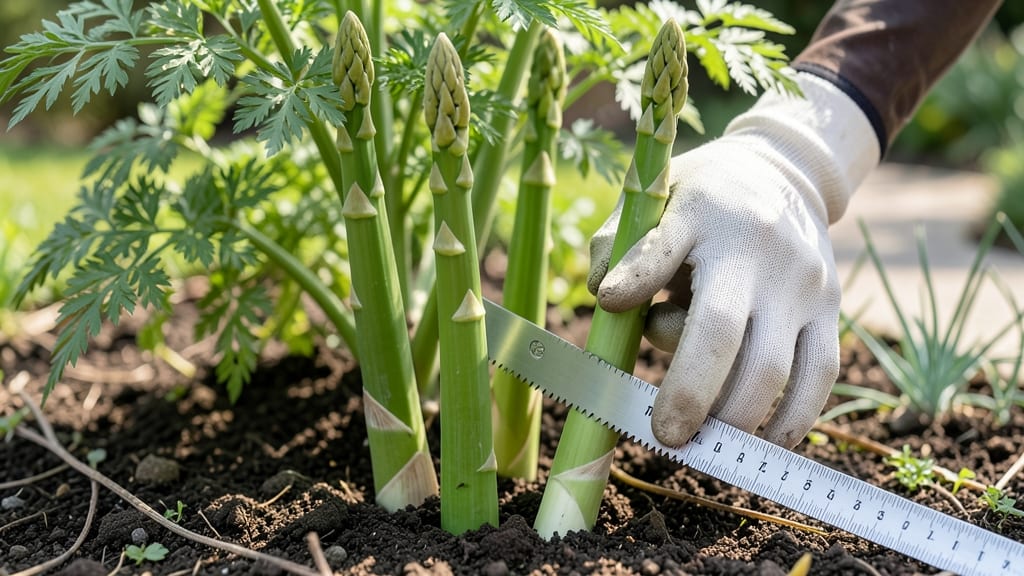
Harvesting asparagus after planting at the right time ensures tender, sweet spears instead of tough, bitter stalks — and the key is knowing when those spears are ready.
Picture this: You’ve waited two or three years for your asparagus crowns to mature, only to pull a spear that snaps like a twig. That’s the biggest mistake gardeners make, and it all comes down to timing.
In General (USDA Zone 6 default), the best time to harvest asparagus is late spring to early summer, once spears reach 6-8 inches tall and are still tight and bright green.
But here’s the secret: the first year after planting, you shouldn’t harvest at all — let the plant focus on root growth for next year’s bounty.
Below, I’ll walk you through the three foolproof signs your asparagus is ready, how to adjust for your climate, and why waiting just a few extra days can make all the difference in flavor.

3 Clear signs your asparagus spears are ready for harvesting
Harvesting asparagus at the right moment transforms your garden into a flavor factory. Too early, and you’ll get tough, bitter spears—too late, and they’ll turn woody. The key lies in watching for three visual and physical cues that signal peak tenderness.
These signs ensure every spear you pick is crisp, sweet, and perfect for the table.
First, pay attention to the spear thickness. Asparagus spears should never be thicker than a pencil—ideally, they should feel slender and smooth when you run your fingers along the stem. Thicker stalks mean the plant has already begun converting energy into fibrous growth, reducing flavor and texture.
Next, check the soil emergence height. Spears ready for harvest should rise 4 to 6 inches above the soil line. This height ensures they’ve absorbed enough nutrients to develop flavor without becoming overmature. Measure from the base where the spear meets the soil to confirm readiness.
Finally, examine the bud development at the tips. The tips of harvest-ready spears should remain tightly closed, resembling a small fist. If you see any signs of fern-like growth or open buds, the spear has passed its prime and will taste bitter.
- 📏 Spear Thickness: Slender like a pencil (≤½ inch diameter). Thicker spears = tough texture.
- 🌱 Soil Emergence: 4–6 inches above ground. Measure from soil line to tip.
- ✊ Bud Development: Tips closed like a fist. Open buds = past prime.
Pro Tip: Harvest in the morning when spears are crispest and most flavorful.
Timing your harvest also depends on the plant’s age. First-year asparagus should never be harvested—let it establish roots. In year two, you can harvest a few spears sparingly, but full harvests begin in year three when the crown is fully developed.
This patience pays off with thicker, more productive spears.
Soil temperature plays a hidden role too. Asparagus thrives when soil reaches 50–60°F. If your region experiences late frosts, wait until the ground warms consistently before harvesting. Cold soil slows growth, delaying the appearance of those tender spears you’re waiting for.
One common mistake is harvesting spears that are too tall. While 6–8 inches is ideal, spears can grow beyond this if left unchecked. Once they reach 10+ inches, they’ll start developing a woody core.
Use a sharp knife to cut spears at soil level—never pull them, which can damage the crown.
For maximum yield, never harvest more than 20% of the spears in a single season. This rule protects the plant’s energy reserves, ensuring a longer harvest window.
In USDA Zone 6, aim for a 6–8 week harvest period in late spring to early summer, aligning with the plant’s natural growth cycle.
Watch for fern-like foliage after harvest—this signals the plant is entering its vegetative phase. The ferns will eventually die back in fall, but they’re essential for storing energy for next year’s spears. Mulch around the base to retain moisture and protect the crown during dormancy.
By mastering these three signs—thickness, height, and bud development—you’ll transform your asparagus patch into a reliable source of garden-fresh spears. Each harvest strengthens the plant, rewarding your patience with years of sweet, tender rewards.
Asparagus harvesting timeline: month-by-month guide for first and subsequent years
Harvesting asparagus at the right time ensures tender, sweet spears instead of tough, woody stalks. The harvest window shifts dramatically between first-year plants and mature asparagus, with regional climate zones adding another layer of complexity. Let’s break down the exact months and conditions for each stage.
For first-year plants, harvesting is off-limits entirely—even if spears emerge. These young plants need all their energy to establish roots. Second-year plants allow limited harvesting, while third-year and beyond plants enter full production. Climate zones 5-9 experience different frost dates, so adjust timing accordingly.
Here’s your month-by-month harvesting guide, including key considerations for early vs. late varieties and regional adjustments:
In climate zones 5-6, asparagus thrives in cooler temperatures, so start harvesting as soon as soil warms to 50°F+ in spring. Zones 7-9 can begin earlier, but avoid harvesting if nighttime temps dip below 40°F, as this causes stress.
For early varieties, prioritize speed—harvest within 2-3 weeks to prevent woody spears.
Stop harvesting by mid-June in most regions to allow foliage to photosynthesize and build energy for next year’s crop. This 6-week rule applies universally, regardless of climate zone.
After stopping, let the ferns grow until frost to maximize root reserves. In zone 9, you might extend harvesting into early July if temperatures remain mild.
Pro tip: Mark your harvest start date each year to track progress. Over time, you’ll notice how your local microclimate affects timing—adjust accordingly! With patience, your asparagus patch will reward you with years of abundant harvests.