
How To
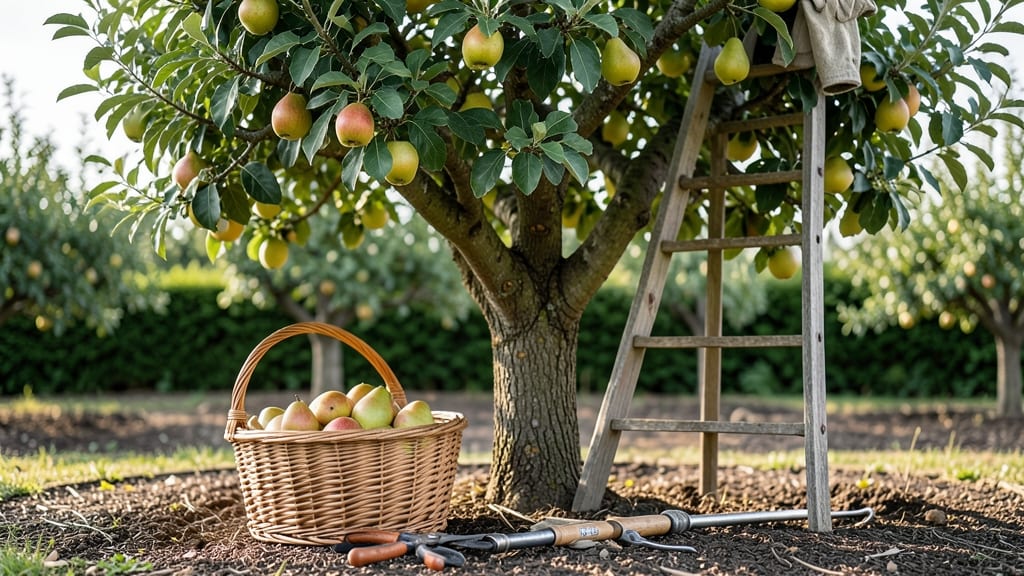
Harvesting Bartlett pears at the right time turns a bland fruit into a sweet, juicy delight—here’s exactly when to harvest them for peak flavor.
Picture this: you’ve waited months for your 🍐 Bartlett Pear tree to fruit, only to pick them too early and end up with mealy, underripe pears.
Or worse, you leave them too long and they turn mushy. The difference between success and disappointment comes down to timing—and a few simple tricks.
Most Bartlett pears ripen between September and October in Zone 6, but climate and sunlight play a big role. A sunny summer might speed things up, while cooler weather can delay ripening.
The key? Watch for two telltale signs: a yellow-to-red blush on the skin and a stem that snaps cleanly when gently twisted.
In this guide, I’ll walk you through the stem snap test, color cues, and how to adjust for your local weather—so you never miss the perfect moment to harvest again.

How to perform the stem snap test for Bartlett pears
The stem snap test is the most reliable way to determine when Bartlett pears are ready for harvest. Unlike other fruit, Bartletts must ripen on the tree—picking them too early means they’ll never reach their full sweet potential.
This simple test tells you exactly when to harvest for juicy, flavorful pears every time.
When done correctly, the stem snap test gives a distinctive sound—a clean break that tells you the pear is perfectly ripe. If you hear a dull pull or the stem doesn’t separate easily, the pear needs more time.
Mastering this test ensures you avoid mealy, underripe fruit or overripe pears that spoil quickly.
If the stem doesn’t snap and instead pulls away with a dull sound, the pear isn’t ripe yet. Wait 1–2 weeks and retest—Bartletts ripen unevenly on the tree. Overripe pears will detach too easily, often falling to the ground on their own.
Harvest time for Bartlett pears typically falls between late August and October, depending on your USDA zone. In Zone 6, aim for September harvests when daytime temps hover around 75°F. Cooler climates may delay ripening by 2–3 weeks, while warmer regions can see earlier harvests.
Once you’ve mastered the stem snap test, you’ll never guess when to harvest again.
This method works even for tree-ripened pears stored for winter—just test a few each week until they’re ready. Pro tip: Harvest on a dry morning to reduce bruising and store pears in a cool, dark place (like a basement) to extend freshness.
For first-time growers, practice the test on a few pears to get familiar with the sound and feel of a ripe Bartlett. The more you do it, the easier it becomes to predict harvest windows for future seasons.
A successful snap test means perfectly ripe pears every time—no more wasted fruit!
Remember: Bartlett pears won’t ripen after picking like some other fruit. The stem snap test is your golden ticket to peak flavor and texture. Once you’ve nailed it, you’ll look forward to harvest season all year long.
Bartlett pear blush color guide: when skin changes signal ripeness
Bartlett pears start their ripening journey with bright green skin, but the real magic happens when their blush color begins to develop. This yellow-to-red progression is your best visual cue for timing harvests—though regional climates and sunlight exposure can shift the schedule by weeks.
In USDA Zone 6, for example, pears often develop a pale yellow blush by late August, deepening to rosy-red by mid-September. Southern climates may see this shift 2-3 weeks earlier, while cooler northern zones could delay it until October.
Sunlight plays a starring role in blush development. Pears exposed to full morning sun (6+ hours) develop brighter, more intense blushes faster than those in partial shade. If your tree sits in a west-facing spot, expect the blush to appear earlier but fade quicker due to afternoon heat stress.
Shaded pears might stay pale green or yellow longer, requiring extra attention to the stem snap test for confirmation.
Here’s how to decode the blush progression at a glance:
| Blush Stage | Color Description | Harvest Window | Climate Notes |
|---|---|---|---|
| Early Blush | Pale yellow-green with 5-10% red near stem | Late August (Zone 6) | Southern zones: 2 weeks early |
| Mid Blush | 50% yellow, 30-40% red blush on sun-exposed side | Early September (Zone 6) | Shaded trees lag 10-14 days |
| Full Blush | 70%+ red blush, some areas fully red | Mid-September (Zone 6) | Northern zones: 2 weeks late |
| Overripe | Dull red-brown, soft spots or wrinkles | Late September/October | Risk of bird damage increases |
Don’t rely solely on color—combine the blush check with the stem snap test for accuracy. A pear with a full blush might still need 3-5 days to soften if the stem doesn’t snap cleanly.
Conversely, a pale yellow pear with a crisp snap can ripen off the tree at room temperature in 1-2 weeks. Pro tip: Harvest early-morning pears when temperatures are coolest to preserve their blush vibrancy during storage.
Regional variations matter more than you’d think. In Pacific Northwest climates, Bartlett pears often ripen later due to cooler summers, while Midwest growers may see harvests shift 1-2 weeks earlier in hotter microclimates.
Keep a harvest journal for 2-3 years to track your tree’s unique pattern—note the first blush date and full ripeness timing each season. This local data beats generic guidelines every time.
If your pears develop blush unevenly (e.g., one side red, the other green), it’s usually a sign of inconsistent sunlight. Prune nearby branches to ensure even light exposure next season, or consider thinning fruit to reduce competition for sunlight.
Uneven blush doesn’t always mean poor quality—just harvest slightly earlier on the redder side and let the greener pears ripen indoors.
Once you’ve mastered the blush timeline, you’ll never second-guess harvest day again. Pair this color guide with the stem snap test, and you’ll go from guessing to growing Bartlett pears that burst with flavor—no mealy surprises included. 🍐