
Picking
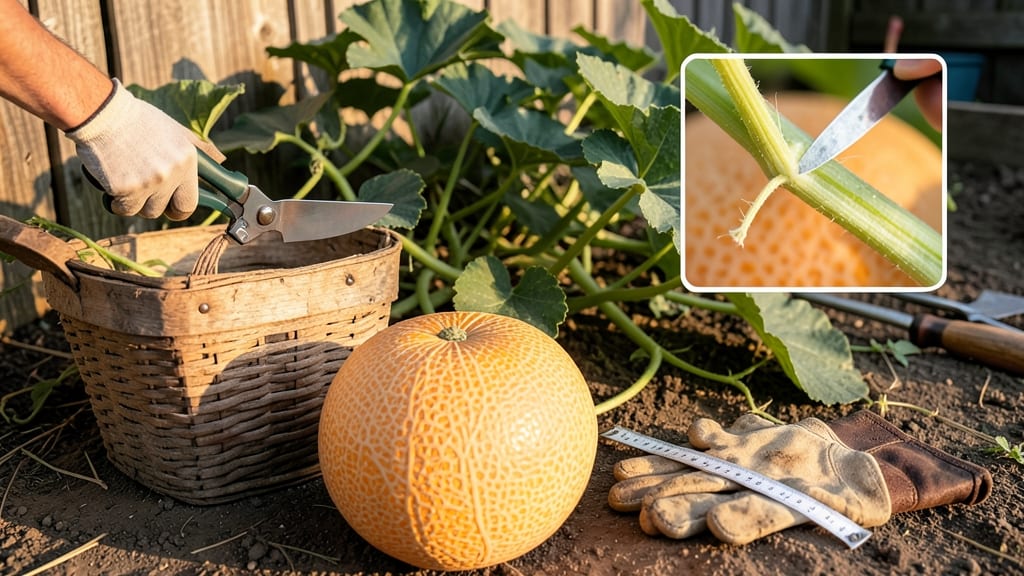
Harvesting cantaloupe from the garden at the right time means the difference between bursting sweetness and bland disappointment—and it all comes down to knowing exactly when to pull it from the vine.
Picture this: you’ve waited months for your 🍈 cantaloupe to ripen, only to take a bite and cringe at the mealy texture or underwhelming flavor. That’s the cost of harvesting too soon—or too late.
But here’s the good news: with just three key signs, you can nail the perfect moment every time.
From the telltale scent at the stem end to the way the rind changes color, cantaloupes send clear signals when they’re ready. Even the time of day you harvest can affect sweetness, and regional growing zones play a role too.
Below, I’ll break down the foolproof cues so you never miss peak ripeness again.
Ready to go from guesswork to garden-to-table perfection? Let’s dive into the exact methods—including the infamous thump test—and the common mistakes that ruin an otherwise stellar harvest.


3 Visual and physical signs your cantaloupe is ready to harvest
Counting days after flowering can be misleading—cantaloupes ripen at their own pace based on environmental conditions and variety traits. Instead of guessing, focus on these three visual and physical cues that guarantee peak sweetness.
These signs work for both heirloom and hybrid varieties, making them universally reliable for home gardeners.
Why do these cues matter more than days after flowering? Because temperature fluctuations, soil moisture, and sunlight intensity directly impact ripening speed. A cantaloupe grown in hot, dry climates may ripen faster than one in cooler regions, even if both flowered on the same day.
Trusting visual signals ensures you never miss the sweetest, most flavorful fruit.
Start by examining the rind color—this is your first clue. Unripe cantaloupes often have a white or pale green rind, while ripe ones develop a creamy yellow with a distinct netted pattern.
This pattern isn’t just for show; it’s a sign of sugar development inside the fruit. Pro tip: The pattern should cover at least 50% of the rind before harvesting.
Next, check the stem end—this is where many gardeners miss the mark. A ripe cantaloupe’s stem end will feel dry and papery, almost like it’s shriveled slightly.
If you gently tug the fruit and it slips easily from the vine (without tearing), it’s ready. This "slip" test is a game-changer for avoiding overripe or underripe fruit.
Don’t overlook the aroma test, which is often the most accurate indicator. A ripe cantaloupe will release a powerful, sweet fragrance when you hold it near your nose. If you’re unsure, gently press the blossom end—ripe fruit will have a slight give but won’t feel mushy.
This scent is your brain’s way of confirming the fruit’s sugar content has peaked.
Here’s a common mistake to avoid: harvesting based on size alone. Some cantaloupes (like Hale’s Best) stay small but ripen perfectly, while others (like Athena) grow larger before reaching peak sweetness.
Always combine size, color, and scent for the best results. For example, a 4-inch cantaloupe with the right aroma and rind pattern is riper than a 6-inch one that’s still pale and scentless.
Regional differences play a role too. In hot, dry climates (like Arizona or California), cantaloupes may ripen faster and develop stronger aromas.
In cooler regions (like the Pacific Northwest), the ripening process slows, so you might need to wait an extra 3-5 days for the scent and color to fully develop. Adjust your expectations based on your local growing conditions.
Once you’ve confirmed all three signs, harvest in the morning when temperatures are coolest. This preserves the fruit’s flavor and texture longer. Use a sharp knife or pruners to cut the stem, leaving a 1-inch stem attachment to protect the fruit during storage.
Store ripe cantaloupes at room temperature for up to a week, or refrigerate to extend their shelf life.
Remember: The best cantaloupes are those picked at the perfect moment, not the earliest possible moment. By mastering these three signs, you’ll transform your garden’s cantaloupes from good to exceptional—every single time. 🍈
How to test cantaloupe ripeness: the thump, scent, and slip test methods
When your cantaloupe vines are heavy with fruit, knowing exactly when to harvest makes all the difference between a sweet, juicy reward and a disappointing bite. The thump test, slip test, and scent check are my go-to methods for pinpointing peak ripeness.
Each technique reveals a different clue about the fruit’s maturity—don’t skip any of them!
Start with the slip test, the simplest way to gauge readiness. Gently grasp the cantaloupe near its stem and lift it from the vine. If it detaches easily with just a slight tug, it’s ready.
If the fruit resists or the stem snaps cleanly, wait a few days. This test works because ripe cantaloupes develop pectin near the stem, making them release more effortlessly.
Next, perform the thump test—yes, it’s as fun as it sounds! Hold the cantaloupe in one hand and thump it lightly with the other. A ripe cantaloupe will sound hollow and deep, like knocking on a wooden door.
If it sounds dull or flat, it’s not ready yet. Overripe fruit may feel mushy when thumped, so time it right!
⚠️ callout warning
If you harvest too late, the flesh turns grainy and watery, losing all sweetness. The stem end will separate completely from the fruit and may shrink or rot. Always check for a dry, brown stem—this is your final green light. Never rely on size alone; small cantaloupes can be sweeter than large, overgrown ones!
The scent test is my favorite because it’s the most reliable indicator of sweetness. Hold the cantaloupe near your nose and sniff the stem end. A ripe cantaloupe will have a powerful, musky aroma—almost like a mix of honey and ripe melon.
If it smells weak or floral, it’s not ready. Pro tip: Never cut into a cantaloupe to check ripeness—this ruins the fruit’s ability to ripen further on the vine!
Common mistakes like harvesting based on fruit size or days after flowering often lead to disappointment. Cantaloupes can vary wildly in size at peak ripeness, and counting days is unreliable because temperature and sunlight affect maturity rates. Always combine all three tests—slip, thump, and scent—for foolproof results.
Once you’ve confirmed ripeness, harvest with a sharp knife or pruners, leaving a 1-inch stem attached. Store ripe cantaloupes at room temperature for up to a week, or refrigerate for longer shelf life. Now go enjoy that perfectly sweet cantaloupe you’ve earned! 🍈