
How To
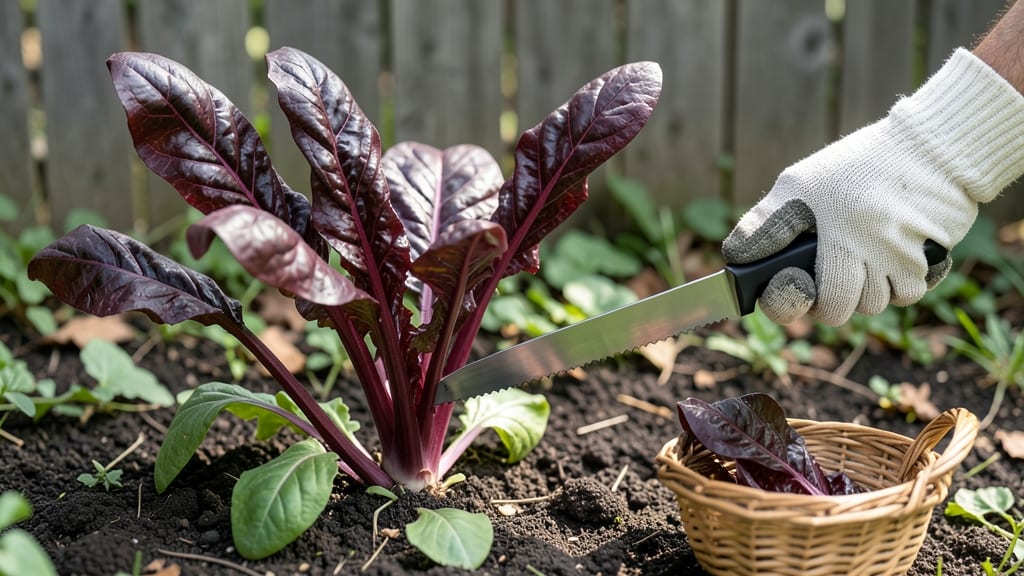
Harvest chicory when its leaves reach 6-8 inches tall and are tender, or when roots hit 1-2 inches in diameter for the boldest flavor.
Picture this: you’ve nurtured your 🌱 chicory all spring, only to pull a bitter, tough leaf at the wrong moment. That’s the difference between a perfect harvest and wasted effort.
Timing matters because chicory’s flavor shifts dramatically—too early and you get grassy notes, too late and the bitterness peaks. In Zone 6a, aim for April-June for leaf harvests and September-October for roots, but watch for visual cues like yellowing outer leaves or firm roots.
Below, I’ll walk you through the exact leaf stages to pick, how to avoid over-harvesting, and why a sharp knife beats tearing—plus how to store your bounty for weeks.

Optimal chicory harvest times by leaf stage (with visual cues)
Timing your chicory harvest correctly transforms its bold, bitter-sweet flavor into a garden treasure. Unlike many greens, chicory rewards patience—harvesting at the wrong stage can mean tough leaves or wasted regrowth potential.
The key lies in understanding leaf maturity stages and their visual cues, from delicate baby leaves to mature foliage ready for bold flavor.
Chicory thrives in cool-season gardens, making early spring and fall the prime harvest windows. In my Zone 6a garden, I’ve found the sweet spot between April and June for spring harvests, with a second wave in September and October.
Each leaf stage offers unique texture and flavor, so let’s break down exactly when to pick for maximum tenderness and minimal bitterness.
🌱 Baby leaves (3-6 inches) are your first harvest opportunity, typically 60-75 days after sowing. These young leaves are crisp, tender, and far less bitter—ideal for salads or garnishes. Look for bright green color and soft texture, with no visible toughness. Harvesting at this stage encourages continuous regrowth for a steady supply.
🌿 Mature leaves (6-12 inches) develop deeper flavor and slight bitterness, perfect for cooking or bitter greens blends. Aim for leaves that are 6-8 inches tall with deep green veins but still pliable. If left longer, leaves become fibrous and overly bitter, signaling it’s past prime. This stage usually occurs 75-90 days after planting.
⚠️ Over-mature leaves (12+ inches) signal the plant is bolting or preparing to flower. These leaves are tough, woody, and intensely bitter—great for bitters or coffee substitutes but not ideal for fresh eating. If you’re growing chicory for roots (radicchio), watch for yellowing outer leaves as a cue to harvest the firm, 1-2 inch roots.
For bitter reduction, focus on younger leaves and harvest during cooler mornings when bitterness peaks. If your chicory tastes too strong, try blanching leaves for 30 seconds before serving—this mellows the flavor without losing nutrients.
I’ve also found that succession planting every 2 weeks ensures a steady supply of tender leaves.
Seasonal adjustments matter: Spring harvests tend to be milder due to cooler temps, while fall chicory often develops deeper bitterness as days shorten. In my experience, September-harvested leaves are perfect for winter storage—simply braise and freeze for later use.
Always leave 2-3 outer leaves intact to encourage regrowth and avoid stressing the plant.
Pro tip: Use a sharp knife or scissors to cut leaves at the base, just above the soil line. This minimizes damage and promotes faster regrowth. Avoid pulling leaves, which can uproot the plant.
If you’re growing chicory for roots, pull the entire plant when the outer leaves yellow and the root reaches golf-ball size.
Remember, chicory’s bitterness is a sign of maturity—not a flaw. Embrace it by using young leaves for salads and older leaves for bold flavors. With the right timing, you’ll enjoy a continuous harvest from one plant all season long. Happy harvesting!
How to harvest chicory without killing the plant (step-by-step)
Harvesting chicory leaves the right way ensures a steady supply of tender greens without stressing your plant. The key is selective harvesting—targeting only the outer leaves while leaving the inner growth intact. This method encourages regrowth and maintains the plant's health for weeks.
I’ve found that starting with just 2-3 leaves per harvest prevents overstressing the plant while still providing enough greens for salads or sautéing.
Timing matters just as much as technique. Early morning harvests yield the crispiest leaves, as evening heat can make them limp. Always use clean, sharp scissors or pruners to avoid tearing leaves, which can invite pests or disease.
I recommend cutting leaves at a 45-degree angle about an inch above the base—this promotes bushier regrowth and prevents water from pooling on the stem.
⚠️ callout-warning ⚠️
Chicory bolts quickly when stressed or left too long. If you wait until the entire plant turns bitter or flowers, you risk forcing it to go to seed prematurely. For leaf varieties, stop harvesting 4-6 weeks before the first frost to let the plant store energy for next year. For root chicory, pull before the outer leaves yellow—this signals the root is fully developed and flavor is at its peak.
Pro Tip: Mark your calendar! Chicory’s second harvest window (fall) offers the best flavor—harvest in September-October for tender, less bitter leaves.
Not all leaves are created equal when it comes to harvesting. Always prioritize the outer, larger leaves first—they’re fully mature and won’t stunt the plant’s growth. Avoid cutting into the center rosette, as this is where new leaves form.
I’ve learned that leaving at least 3-4 inner leaves ensures the plant continues producing. If you’re growing chicory for its roots (like radicchio), wait until the leaves start yellowing—this is your cue that the root is ready to harvest.
Seasonal adjustments are crucial for maximizing yield. In spring, chicory grows rapidly, so you can harvest every 7-10 days. But in summer’s heat, slow down to every 2-3 weeks—overharvesting stresses the plant, leading to bolting.
I’ve had the best success in fall, when cooler temps encourage sweeter, less bitter leaves. Always water deeply the day before harvesting to plump up the leaves and improve flavor.
Regrowth strategies depend on your goals. For continuous leaf production, harvest lightly every 1-2 weeks throughout the season. If you’re growing chicory for roots, let the plant mature fully before pulling—this usually takes 90-120 days.
After harvesting roots, you can still salvage the smaller leaves for salads, though they’ll be more bitter. I’ve even seen gardeners replant chicory roots in fall for a second crop of leaves!
Finally, store harvested chicory properly to preserve its quality. Wrap leaves in a damp paper towel and refrigerate for up to 5 days. For longer storage, blanch and freeze—this locks in flavor and texture.
Remember, chicory’s bitterness increases as it matures, so harvest young for milder taste and older for stronger, more robust flavor. With these techniques, you’ll enjoy a bountiful, healthy chicory plant all season long. 🌿