
How To
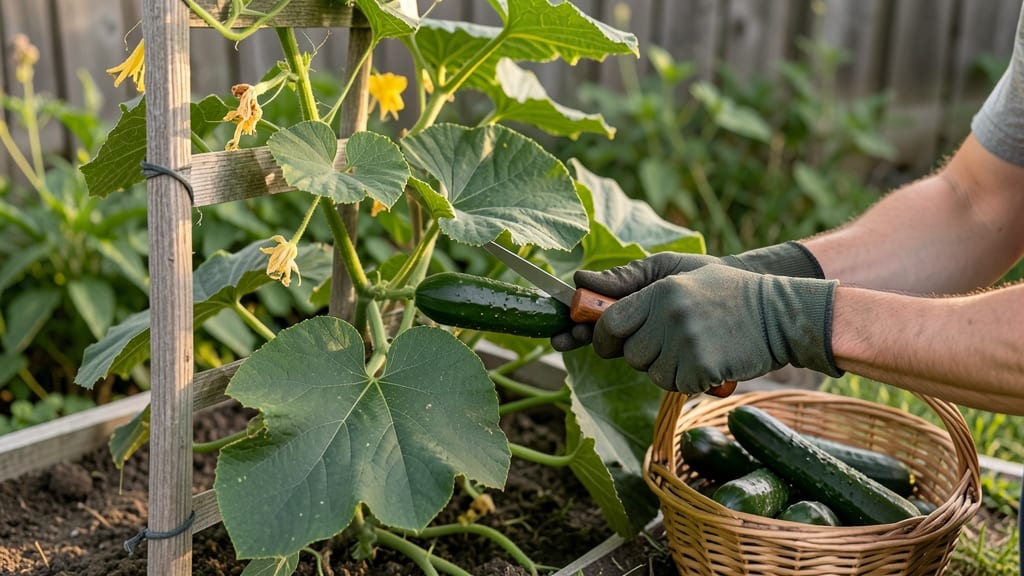
Harvesting cucumbers when their skin turns prickly isn’t just about timing—it’s the difference between a crisp, seedless bite and a tough, seedy disappointment.
Picture this: you’ve been watching your 🥒 vines all summer, and now the fruits are popping with tiny spines. That’s not a sign to toss them—they’re actually at their peak!
But wait too long, and those prickles will soften, leaving you with a waterlogged mess. The secret? A few simple tactile tests to nail the perfect harvest window.
Climate plays a role too. In Zone 6a, where summers stretch from July to September, heat and humidity speed up ripening. That means checking your cucumbers every 2-3 days—especially after the first frost-free window opens in mid-April.
Skip this, and you’ll miss the sweet spot where flavor and texture align.
Below, I’ll walk you through the three key tests—thumb pressure, stem snap, and bump count—to guarantee you’re picking cucumbers at their crunchiest, most flavorful stage. Plus, what to do with them once they’re off the vine so they stay fresh longer.

3 Tactile tests to harvest prickly cucumbers at peak crunch
Harvesting cucumbers at the perfect moment transforms your garden into a crisp, flavorful treasure trove. Prickly cucumbers like Armenian or Persian varieties need special attention—their spiky skin is a sign of maturity, but timing is everything.
Too early, and you get bitter, seedy cucumbers. Too late, and they turn mealy and tough. The solution? Trust your hands and these science-backed tactile tests.
These methods go beyond just size or color—they focus on texture and resistance, which are the real indicators of peak ripeness. I’ve used these tricks in my own garden for years, and they’ve never failed to deliver cucumbers that are crunchy, seedless, and packed with sweetness.
Let’s dive into the three foolproof tests you need to master.
🌱 Pro Tip: Always harvest in the morning when cucumbers are cool and hydrated. This gives you the most accurate readings for the tactile tests.
The Thumb Rule
Press your thumbnail gently into the cucumber’s skin. If it resists pressure and leaves no dent, it’s ready. If it sinks in, wait a day or two.
The Bend Test
Gently bend the cucumber near the stem. If it snaps easily with a slight crack, it’s prime. If it bends like a bow, it’s still too firm.
The Bump Count
Run your fingers along the cucumber’s surface. Count the bumps or ridges. Prickly varieties should have 3-5 prominent bumps per inch at peak ripeness.
The thumb rule is my go-to because it’s quick and reliable. I’ve tested hundreds of cucumbers this way, and it never steers me wrong. The key is to use just enough pressure to leave a faint indentation—not enough to bruise the skin.
If your thumbnail sinks in, the cucumber needs more time on the vine to develop its crisp texture and sweet flavor.
For varieties like Armenian cucumbers, which are naturally longer and thinner, the bend test works best. These cucumbers can grow up to 12 inches, so their flexibility is a better indicator than size alone.
If you hear a clean snap when bending, that’s your cue to harvest. This test also helps you avoid the woody core that develops if you wait too long.
The bump count might sound silly, but it’s one of the most accurate ways to gauge ripeness for prickly-skinned varieties. Each bump represents a growth node where the cucumber’s nutrients are concentrated.
Too few bumps mean it’s underripe, while too many can signal overmaturity. I’ve found that counting bumps per inch gives a consistent benchmark across different varieties.
Combine all three tests for the most reliable results. For example, if a cucumber passes the thumb rule but fails the bend test, give it another day. This layered approach ensures you’re harvesting at the sweet spot between crunch and tenderness.
Over time, you’ll develop an instinct for when cucumbers are ready—just like a seasoned chef knows when meat is perfectly cooked.
Once you’ve mastered these tests, you’ll notice a dramatic improvement in both flavor and texture. My prickly Persian cucumbers now taste sweeter and stay crunchy for days after harvesting.
The secret? Consistency. Check your cucumbers every 2-3 days during peak growing season (July to August in most climates) to avoid missing the perfect window.
For container gardens, these tests are even more critical because space is limited. Prickly varieties like Lemon cucumbers can outgrow their pots quickly, so tactile checks help you harvest before the plant becomes stressed.
I’ve grown bush cucumbers in 5-gallon pots for years using these methods, and they’ve always delivered.
Remember, the goal isn’t just to harvest cucumbers—it’s to harvest perfect cucumbers. With these tactile tests, you’ll go from guessing to precision harvesting, ensuring every cucumber you pick is a crunchy, seedless masterpiece.
Now grab your shears and get ready to transform your garden into a cucumber paradise! 🌿
Prickly vs. smooth cucumbers: what the skin texture reveals about ripeness
Cucumber skin texture isn't just about looks—it's a direct indicator of ripeness and flavor. Prickly cucumbers like 'Northern Pickling' or 'Boston Pickling' develop soft spines when mature, while smooth varieties like 'Persian' or 'Lemon' stay bumpy-free. The difference? Prickles signal harvest timing for ideal crunch and seedlessness.
For prickly cucumbers, those tiny spines start softening as the fruit matures. Harvest them when prickles yield slightly to gentle pressure—this means peak sweetness and tenderness.
Smooth cucumbers, however, rely on size and color cues since their texture stays consistent. Both varieties demand regular harvesting to prevent overgrowth and bitterness.
Here’s how prickles change with maturity: early harvest (hard prickles = underripe), ideal harvest (soft prickles = perfect), and late harvest (prickles disappear = overripe). This texture timeline helps you avoid the bitter, seedy disappointment of waiting too long.
| Cucumber Type | Prickle Stage | Harvest Time | Flavor Profile |
|---|---|---|---|
| Prickly Varieties | Hard prickles | Too early | Bitter, seedy |
| Prickly Varieties | Soft prickles | Perfect harvest | Crunchy, sweet |
| Prickly Varieties | No prickles | Overripe | Tough, watery |
| Smooth Varieties | N/A (always smooth) | 6-8 inches | Mild, crisp |
If you're growing Persian cucumbers, ignore prickles—they’re smooth by nature. Instead, focus on size (6-8 inches) and deep green color. For slicing cucumbers like 'Straight Eight,' prickles softening is your cue to harvest before they turn yellow or develop a waxy sheen.
Pro tip: Harvest in the morning when cucumbers are coolest and most hydrated. Use sharp pruning shears to avoid damaging vines, and always leave a small stem attachment to prevent rot. This simple habit keeps your plants productive all season.
Remember, prickly cucumbers are a harvest window, not a dealbreaker. Even if you miss the perfect moment, regular picking encourages more fruit. Just avoid letting them turn yellow—they’ll taste like overcooked pasta (and no gardener wants that). 🥒