
How To
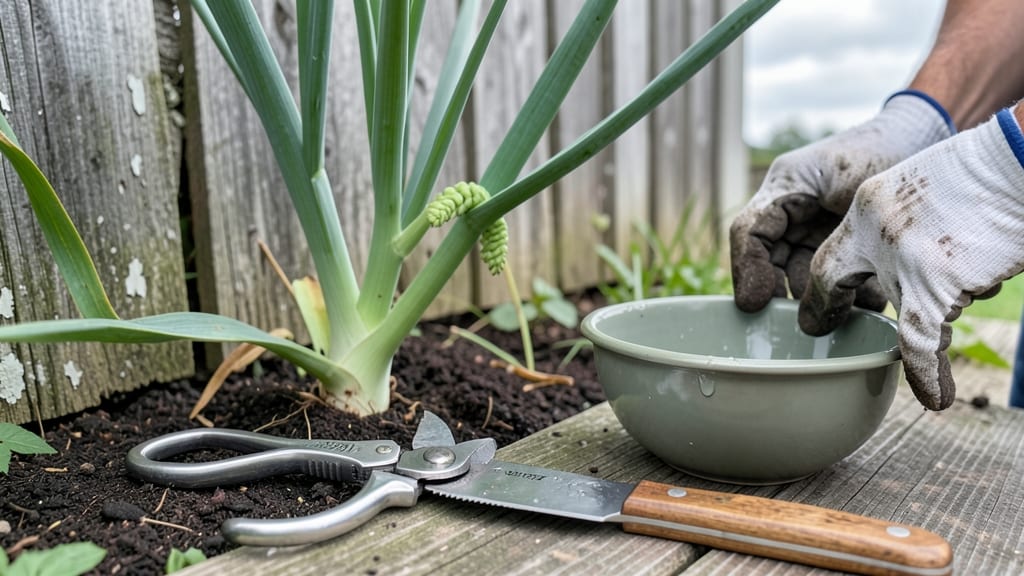
Harvest garlic scapes when they curl into a tight loop 🧄—this 6–8 week window after planting is your best shot at flavorful stems and bigger bulbs later.
Miss that moment, and you risk stunted bulbs or bitter-tasting scapes. But how do you know when those curly green stems are truly ready? It’s not just about the loop—stalk thickness, leaf curl progression, and even flower bud formation all play a role.
In Zone 6a, where fall-planted garlic thrives, timing matters even more. Harvest too early, and you’ll lose flavor; too late, and the scapes bolt, leaving you with nothing to use. The good news? With the right cues, you can snip them at peak freshness.
Below, I’ll walk you through the 3 visual cues to harvest scapes at their best, plus how to use (and store) them before they spoil. No more guesswork—just perfect timing for your garden and kitchen.

3 Visual cues to harvest garlic scapes at peak flavor
Harvesting garlic scapes at the right time is crucial—it determines both the flavor of your scapes and the size of your future garlic bulbs. The key lies in recognizing three specific visual cues that signal perfect harvest timing.
Miss these signs, and you risk either underdeveloped scapes or stunted garlic growth. Let’s break down what to look for in your garden.
First, understand that garlic scapes are the curly green stems that emerge from your garlic plants in late spring. These scapes are edible, packed with flavor, and—when harvested correctly—can redirect energy back into your garlic bulbs.
The challenge? Knowing exactly when to cut them. Here’s how to spot the perfect moment using simple visual checks.
Look for a pencil-thick stalk (about 1/4 to 1/2 inch in diameter). Thinner scapes are still immature, while thicker ones may have already diverted too much energy from the bulb.
The hallmark of readiness is a tight, spiral curl at the tip. Start harvesting when the curl measures about 2 to 4 inches wide. If it’s too loose or straight, wait a few days.
Check for small green buds forming along the scape. These buds indicate the plant is preparing to flower, which means it’s time to act. Harvest before they open fully to preserve flavor.
Timing is everything when harvesting garlic scapes. If you cut them too early, the scapes will be underdeveloped and less flavorful. Too late, and you’ll sacrifice bulb size, as the plant’s energy shifts toward flowering instead of bulb development.
The ideal window is typically 6 to 8 weeks after planting, but visual cues are your best guide.
Start by examining the stalk thickness—a pencil-thick scape is your first green light. This thickness ensures the scape has matured enough to be flavorful but hasn’t yet drained the bulb.
Use your fingers to gently squeeze the stalk; it should feel firm, not woody or hollow. If it’s too thin, give it another week.
Next, focus on the leaf curl progression. The curl isn’t just a quirky feature—it’s a biological signal that the scape is ready. When the curl forms a tight loop measuring 2 to 4 inches wide, that’s your cue to act.
If the curl is loose or the scape is still straight, resist the urge to harvest. Patience here ensures you get the best flavor and bulb growth.
Finally, watch for flower bud formation. Small green buds along the scape indicate the plant is transitioning from vegetative growth to flowering.
This is the plant’s way of telling you it’s ready to reproduce, and if you don’t harvest soon, those buds will open into flowers, signaling the end of the scape’s useful life. Harvest within 24 to 48 hours of spotting these buds.
Once you’ve confirmed all three cues, it’s time to harvest. Use a clean, sharp pair of pruning shears or a knife to cut the scape about 1 to 2 inches above the garlic bulb.
This leaves enough leaf material to keep the bulb growing strong. After cutting, store the scapes in the fridge for up to 2 weeks or freeze them for longer storage.
Pro tip: Harvest scapes in the morning when temperatures are cooler. This preserves moisture and flavor, making your scapes last longer and taste fresher. Plus, cutting in the morning gives you time to prep them for cooking or storage before the day heats up.
Remember, every garlic variety may have slight variations in timing, but these three visual cues will serve you well regardless of what you’re growing. By mastering them, you’ll enjoy the best-tasting scapes while ensuring your garlic bulbs grow to their full potential.
What happens if you harvest too early or too late?
Timing your garlic scape harvest is like catching a wave—too early, and you miss the sweet spot; too late, and you lose everything. Harvesting too early (when scapes are still straight or under 10 inches) means missing the peak flavor and nutrients.
Your garlic bulbs won’t grow as large, and the scapes will taste bitter or underdeveloped. Think of it as eating an apple before it ripens—it’s just not the same.
On the flip side, waiting too late (after the scape straightens or flowers) means the plant redirects energy from bulb growth to seed production. This leads to smaller, weaker bulbs and scapes that are tough and woody.
Worse yet, late-harvested scapes may bolt (send up flowers), making them inedible and wasting your hard work.
Harvesting Too Early
Harvesting Too Late
- Quick harvest for immediate use
- Avoids scape bolting
- Bitter, underdeveloped flavor
- Stunted bulb growth
- None (missed window)
- Woody, tough scapes
- Small, weak bulbs
- Risk of bolting (inedible)
If you’ve already missed the ideal window, don’t panic. A late harvest can still salvage your garlic bulbs, though you’ll sacrifice some scape quality. Cut the scapes at the base and focus on nurturing the bulbs.
Reduce watering slightly to encourage bulb maturation, and avoid fertilizing—your plant needs to direct all energy underground. With patience, you can still end up with decent-sized bulbs, even if they’re not prize-winning.
For early harvests, don’t toss those small scapes! Use them immediately in recipes like stir-fries or pestos, where their mild flavor won’t overpower. Store them in the fridge for up to a week, but they’re best used fresh.
Remember, every scape you harvest early is one less competing for nutrients with your bulbs, so it’s a trade-off worth making if you’re eager to eat.
Climate plays a role too. In cooler regions, scapes may mature slower, giving you a longer window to harvest. Conversely, in hot climates, scapes can bolt faster, so stay vigilant.
Adjust your timing based on your local growing season—observation is key. Pay attention to your plants’ cues and don’t hesitate to harvest when you see that perfect curled loop forming.
Ultimately, the best time to harvest garlic scapes is when they form a tight curl (about 6–8 weeks after planting) but before they straighten. This balance ensures you get the best flavor and bulb growth.
If you’re unsure, err on the side of harvesting a little early—your taste buds (and future garlic harvest) will thank you.