
How To
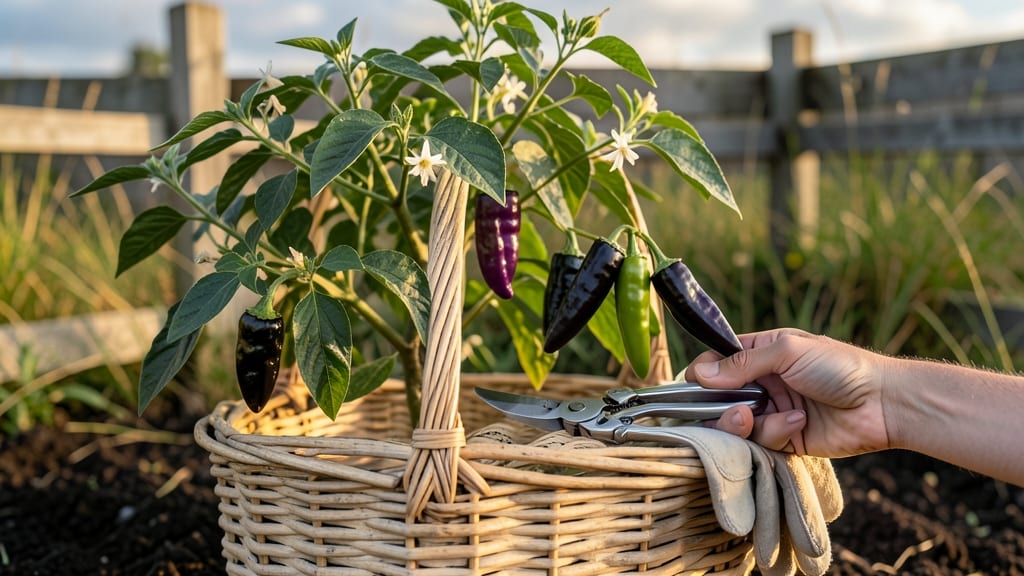
Harvesting Gypsy peppers at the right time unlocks their full sweet, smoky flavor 🌶️ — and missing that window means sacrificing everything from texture to yield.
Picture this: a deep red pepper that snaps crisply between your fingers, its skin glossy and firm. That’s the moment you’ve been waiting for, but one wrong move and you’ll end up with bland, mealy peppers that taste more like regret than gourmet.
The good news? You don’t need a PhD in botany to nail this.
Most gardeners focus only on color, but the true test is a mix of size, firmness, and even the way the pepper feels when you gently squeeze it.
I’ll walk you through the three color-stage tricks that guarantee peak flavor, plus the simple touch tests that save you from harvesting too soon—or too late.
By the end, you’ll know exactly when to snip those peppers for fresh eating, cooking, or drying, and how to avoid the three biggest mistakes that ruin flavor before it even hits your plate.

3 Color-stage tricks to harvest gypsy peppers at peak flavor
Gypsy peppers change color dramatically as they ripen, and each stage offers a unique flavor profile. The green stage is all about crunch and mild sweetness, while yellow peppers develop a tangy, almost citrusy note.
But the deep red stage? That’s when the smoky-sweet magic happens—ideal for fresh eating or drying. Understanding these color cues lets you harvest at the perfect moment for your needs.
Color isn’t the only factor—texture and size also play critical roles. A pepper that’s too firm might still be underripe, while one that’s wrinkled or soft has passed its prime.
The trick is balancing these visual and tactile clues to ensure you’re picking peppers that deliver the best flavor intensity and crispness for your intended use.
Here’s the key: green peppers are best for pickling or stir-fries, yellow/orange peppers shine in fresh salads or grilling, and red peppers are the stars of roasted dishes or drying projects. Miss the window, and you’ll end up with peppers that are either bland or overly soft.
- 1 Green Stage (60-75 days): Harvest when peppers are firm, glossy, and fully green. Best for pickling or cooking—they’re crisp and mildly sweet but lack depth. Avoid harvesting too early, or they’ll be bitter and underdeveloped.
- 2 Yellow/Orange Stage (75-85 days): Peppers transition to bright yellow or orange with a tangy, citrusy kick. Perfect for fresh salads or grilling. Wait until the color is even and vibrant—no green patches—before picking.
- 3 Red Stage (85-90+ days): The deep red phase marks peak sweetness and smokiness. Ideal for roasting, drying, or fresh eating. Look for a rich, glossy red with slight softening when gently squeezed—this means they’re ready for harvest.
The green stage is your safety net for quick-cooking recipes, but don’t stop there. If you’re growing Gypsy peppers for their signature flavor, let them mature to yellow or red.
The longer they stay on the vine, the more complex their taste becomes—think caramelized notes and reduced sweetness that’s perfect for preserving.
Pro tip: Morning harvests work best because peppers are cooler and firmer. Use pruning shears to snip the stem cleanly, leaving a small portion attached to the plant. This prevents disease and encourages more peppers to develop. Avoid tugging or pulling, which can damage the plant.
For drying or long-term storage, prioritize the red stage. These peppers develop the highest sugar content and deepest flavor, making them ideal for powdering or stuffing. If you’re short on time, yellow peppers are a close second—they’re sweeter than green but less intense than red.
Watch out for overripe peppers, which turn dull in color and develop soft spots. These are best used immediately in recipes that call for cooked-down flavors, like sauces or stews. Overripe peppers lose their crisp texture and can become mealy, so harvest them before they reach this stage.
Temperature matters too. In hot climates, peppers may ripen faster, so check them every 2-3 days. In cooler areas, they’ll take longer to reach full color. Adjust your harvesting schedule based on your local growing zone and weather patterns.
Finally, don’t forget to rotate your harvests. Pick peppers from different branches to encourage even growth and prevent the plant from focusing all its energy on a single pepper. This ensures a steady supply of flavorful peppers throughout the season.
With these color-stage tricks, you’ll never miss the perfect harvest window again. Whether you’re aiming for fresh crunch or deep, smoky sweetness, timing is everything. Happy harvesting! 🌶️
How to test ripeness beyond color: touch, size, and stem checks
Color isn’t the only way to judge when your gypsy peppers are ready for harvest. While deep reds and oranges signal ripeness, touch tests and size benchmarks reveal hidden clues about flavor and texture.
I’ve learned that a firm but yielding pepper with a clean stem break is the true mark of peak ripeness—not just color.
Start by comparing your peppers to their variety’s mature size. For example, standard gypsy peppers typically reach 3-5 inches long. If yours are smaller, they likely need more time on the vine.
Overripe peppers, on the other hand, may shrink slightly and develop wrinkles, signaling they’ve passed their prime.
⚠️ WARNING: Overripe Gypsy Peppers Can Ruin Flavor! Peppers that stay on the vine too long lose their sweetness and develop a bitter, mealy texture.
Here’s how to spot them: - Skin: Wrinkled or dull instead of glossy - Firmness: Soft and mushy when pressed - Stem: Easily detaches with a tug (sign of overripeness) - Color: Fades or develops dark spots If you see these signs, harvest immediately to salvage flavor—or better yet, pick at the right moment!
Use the finger pressure test to check ripeness without damaging the pepper. Gently press a gypsy pepper between your thumb and forefinger. A ripe pepper should yield slightly but still feel firm.
If it feels rock-hard, it’s underripe; if it’s too soft, it’s overripe. This method works best in the morning when peppers are cool and crisp.
Don’t overlook the stem separation test, a foolproof way to confirm readiness. Gently twist the pepper at its stem. A ripe gypsy pepper will detach cleanly with minimal resistance, while an unripe one may tear or leave part of the stem attached.
This trick saves you from harvesting too early and ensures you get peppers at their sweetest and crispest.
For gypsy pepper varieties that change color as they ripen, like the ‘Gypsy’ or ‘Cayenne Gypsy’, wait until the color is uniform with no green patches. Even if the pepper feels firm, a lingering green tint means it’s not fully sweet.
Pro tip: Harvest early morning when sugars are highest for the best flavor.
If you’re unsure, err on the side of harvesting slightly early. Underripe peppers can still be used in cooking (they’ll just need more time to ripen indoors), while overripe ones are nearly unusable.
With practice, you’ll develop a keen eye—and a gypsy pepper palate—that tells you exactly when to pick for perfect flavor every time. 🌶️