
How To
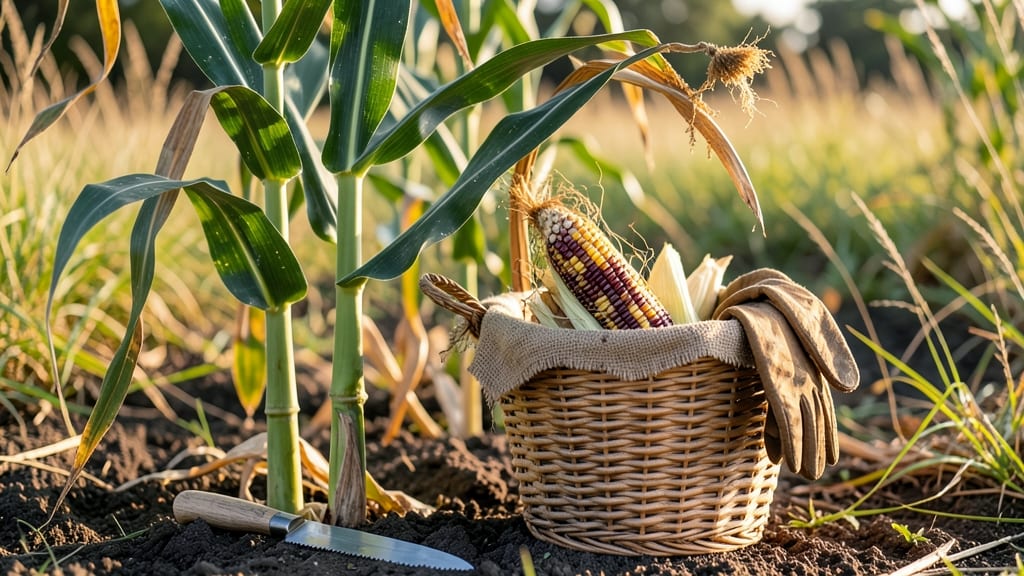
Harvesting Indian corn 🌽 at the right time transforms a simple garden task into a flavor game-changer—when kernels hit peak sweetness and texture, you’re just days away from a harvest that tastes like summer.
Picture this: you’ve nurtured your stalks all season, and now the moment of truth arrives. But how do you know when those ears are ready? Miss the window by even a few days, and you’ll end up with tough, starchy kernels instead of the tender, buttery bite you’re craving.
Timing isn’t just about color—it’s about firmness, husk dryness, and even the tassels’ condition. In USDA Zone 6a, where late summer heat meets early fall chill, these cues become even more critical. One wrong move, and your harvest could go from gourmet to garden flop.
Below, I’ll walk you through the exact signs to watch for—from kernel color shifts to the all-important ear squeeze test—so you never second-guess your harvest again. Ready to turn your garden into a cornucopia?

How to identify the perfect kernel color for Indian corn harvest
Indian corn transforms from a vibrant green husk to a stunning display of kernel colors as it matures, but those colors aren’t just for show—they’re your harvest readiness cues.
The shift from white to yellow, red, or even purple isn’t random; it signals when kernels reach their peak starch content and ideal texture. For example, white corn often matures faster than its rainbow-colored cousins, but all varieties follow a similar color progression pattern tied to kernel development.
Understanding this progression helps you avoid two common mistakes: harvesting too early (when kernels are still milky and sweet) or too late (when they become hard and starchy).
The key is watching for the dent stage, where the kernel tip forms a slight indentation—a sure sign of full maturity. This stage is critical because it’s when flavor and storage potential reach their peak, making your harvest worth preserving for months.
🌽
| Kernel Color Stage | Maturity Level | Harvest Readiness | Kernel Texture |
|---|---|---|---|
| White/Translucent | Early (30-50% mature) | Not ready | Soft, milky |
| Cream/Off-White | Mid (60-70% mature) | Almost ready | Firm, slightly dented |
| Yellow/Red/Purple (Variety-Dependent) | Full (90%+ mature) | Perfect harvest time | Hard, dent-resistant |
| Dull or Grayish | Overripe (>100% mature) | Too late | Brittle, shriveled |
📌 Note: Rainbow corn may show mixed colors before full maturity—wait for uniform color.
For white Indian corn, the transition from white to a creamy hue is your first clue, but don’t harvest yet—the kernels need to develop that dent stage. This variety often matures 1-2 weeks earlier than multicolored types, so keep a close eye on the husks turning brown.
Meanwhile, rainbow corn (with red, purple, and yellow kernels) takes longer to show consistent colors, sometimes requiring an extra 7-10 days past the white corn’s maturity window.
The dent stage is where kernels form a small indentation at the tip, a sign they’ve converted starches from milk to flour. At this point, the kernel’s moisture drops to 30-35%, making it ideal for long-term storage.
If you harvest too early, the kernels will be glassy and sweet (great for fresh eating) but won’t store well. Waiting too long turns them hard and mealy, losing both flavor and texture.
Variety-specific differences matter, too. Blue corn, for instance, may take 10-14 days longer to reach the dent stage compared to white or rainbow varieties. Its kernels start as pale blue and deepen to a rich indigo, but the dent stage remains the same visual cue.
Always check the husks—they should be dry and papery, not green or moist, which indicates the plant is still actively growing.
🌿
To test kernel readiness without cutting the ear, gently press a kernel with your thumbnail. If it doesn’t dent easily, it’s not mature enough. If it feels hard and resists pressure, that’s your signal to harvest.
This method works for all varieties, but remember: color uniformity is your best friend. A single ear with mixed kernel colors (some still white, others yellow) isn’t ready—wait until the entire ear shows its final hue.
Environmental factors like heat waves or drought stress can speed up maturity, so adjust your timeline if your region experiences extreme conditions. In hot climates, Indian corn may mature 2-3 weeks faster, while cooler zones might extend the process.
Always prioritize the dent stage over color alone—it’s the most reliable indicator of kernel perfection.
Once you’ve identified the perfect kernel color and confirmed the dent stage, act quickly. Indian corn harvested at peak maturity stores best when dried properly, preserving its flavor and nutritional value for months.
Whether you’re growing white, rainbow, or blue corn, mastering this color progression ensures your harvest is both visually stunning and delicious.
🌾
The ear firmness test: how to check ripeness without cutting the stalk
Indian corn reaches its peak flavor when harvested at the right maturity stage. The ear squeeze test is my go-to method for checking ripeness without damaging the plant. This simple technique saves time and ensures you don’t miss the perfect window—typically 110-130 days after planting.
By focusing on ear firmness, tassel condition, and husk tightness, you’ll know exactly when to harvest.
Start by examining the husks—they should feel dry and papery, not moist or green. A fully mature husk will peel back easily, revealing kernels that are plump and hard. Run your thumb along the ear: if the kernels leave a slight indentation but don’t dent deeply, they’re ready.
This test is especially useful for multicolored varieties, where kernel color alone isn’t always a reliable indicator.
⚠️ callout warning
Harvesting Indian corn too early results in starchy, underdeveloped kernels, while waiting too long turns them dry and shriveled. Heatwaves or drought can accelerate maturity—check ears every 2-3 days during peak summer. If tassels dry and fall before husks brown, harvest immediately to avoid kernel loss.
Next, inspect the tassels—the male flowers at the top of the plant. When they turn brown and brittle, it’s a clear sign the corn is nearing harvest. Gently tug on a tassel: if it snaps off easily, your corn is ready.
This step is crucial because tassels dry out 1-2 weeks before the ears reach peak ripeness, giving you a heads-up.
Environmental factors like high temperatures or water stress can speed up maturity, so monitor your plants closely during late summer droughts. If the husks brown prematurely but the kernels still feel soft, wait 3-5 more days—the ears may still firm up.
Conversely, if a frost warning appears, harvest immediately, even if the husks aren’t fully dry, to salvage your crop.
For white corn varieties, kernels should turn a creamy ivory color and feel firm to the touch. Rainbow corn will show vibrant, uniform colors with no green streaks. Press your fingernail into a kernel—if it resists and doesn’t dent, it’s time to harvest.
This method works best in the early morning, when ears are cool and firmness is easiest to judge.
Once you’ve confirmed ripeness, harvest by twisting the ear gently from the stalk. Leave the husks intact to protect the kernels during storage. Store harvested ears in a cool, dry place with good airflow to prevent mold.
With practice, the ear firmness test becomes second nature, ensuring you always enjoy perfectly ripe Indian corn at its sweetest.