
How To
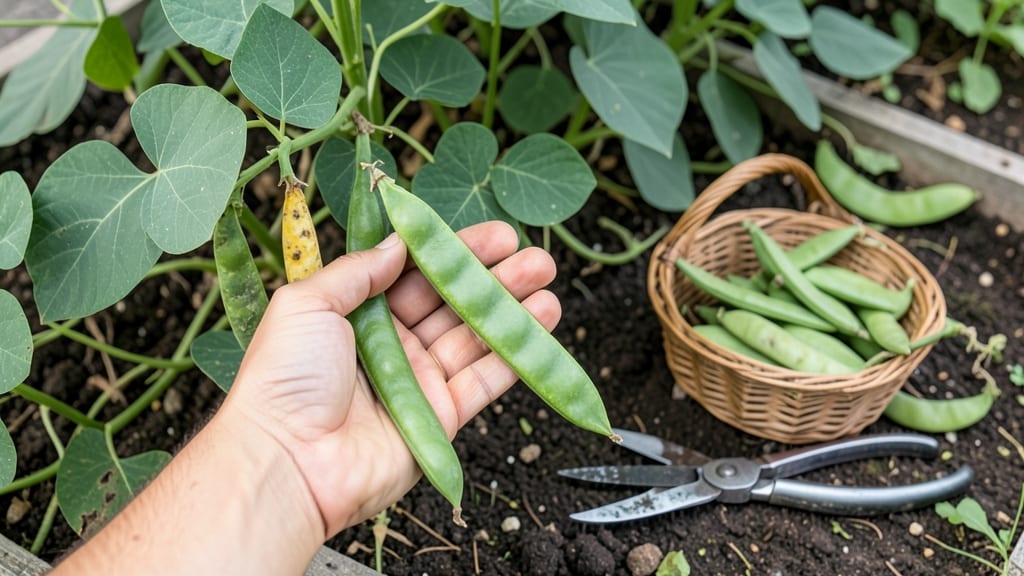
Harvesting lima beans at the right time means the difference between tender, flavorful pods and tough, stringy disappointment.
Picture this: you’ve been waiting months for your 🌱 lima beans to mature, and now you’re staring at a bush full of pods—some too small, others already woody. That’s why timing matters so much.
Most gardeners know to watch for size and color, but the best harvesters also check for firmness and seed development. A pod that’s 4-6 inches long, firm to the touch, and snaps easily is ready to pick.
In this guide, I’ll break down the 3 key visual cues to spot perfectly ripe lima beans, plus how to avoid common mistakes that ruin your harvest before it even starts.

3 Visual cues to identify perfectly ripe lima beans
Harvesting lima beans at the right moment transforms your garden into a flavor factory. Unlike many vegetable crops, lima beans give clear visual signals when they're ready to pick. Ignoring these cues often leads to tough, fibrous pods that lack the sweetness of properly timed harvests.
The key lies in observing three distinct pod characteristics: color, size, and texture.
First-time growers often make the mistake of waiting too long, thinking bigger pods mean better flavor. In reality, overripe lima beans develop hard, dry shells and large, mature seeds that dominate the taste.
The secret is catching them at the ideal window—when they're firm but still tender. Let's break down exactly what to look for in your garden.
Timing your harvests based on these visual cues prevents the common mistake of letting pods mature into dry, woody shells. I've seen gardeners wait until pods turn brown and papery—by then, the seeds inside are rock-hard and the pods are nearly inedible.
The 4-6 inch rule applies to most varieties, though dwarf types like 'Fordhook' may mature slightly smaller.
Morning is the best time to check your plants because dew can mask the true texture of pods. After a light frost, lima beans become mealy and discolored, so harvest before temperatures dip below 50°F.
If you're unsure, pick a few pods to test—cook them immediately. Perfectly ripe lima beans should be creamy and sweet, not tough or bland.
One pro tip I learned from veteran growers: Harvest every 2-3 days during peak production. This encourages more pod development and prevents the plant from diverting energy to seed production.
Use clean, sharp scissors or pruners to avoid damaging vines. Always cut pods at a 45-degree angle just above the stem to promote faster regrowth.
For pole lima beans, check the lower pods first—they mature earliest. With bush varieties, focus on the outermost pods as they tend to ripen first. If you notice yellowing leaves or blackened pods, it's often a sign of overwatering or fungal issues, not maturity.
Always prioritize visual cues over calendar dates.
Remember that early-maturing varieties like 'Christmas' or 'Jackson Wonder' may be ready in as few as 60 days, while heirlooms like 'King of the Garden' can take up to 90 days.
Keep a harvest journal to track your specific variety's timeline—this helps you anticipate future seasons. The more you practice these visual checks, the more intuitive harvest timing becomes.
When in doubt, harvest smaller pods—they're easier to cook and often more flavorful. Larger, overripe pods can be saved for drying or freezing, but they'll never match the tender quality of properly timed harvests.
With these visual cues mastered, you'll enjoy a continuous supply of fresh lima beans all season long.
Lima bean harvesting timeline by variety (bush vs. pole)
Timing your lima bean harvest depends entirely on whether you're growing bush or pole varieties. Each matures differently, and missing the window can turn tender pods into tough, stringy messes. Let’s break down the exact harvest windows for both types, plus how climate affects when to pick.
Bush lima beans are the speedy growers of the garden, typically ready to harvest in just 60-70 days after planting. Their compact size means they mature faster than their vining cousins, making them ideal for smaller gardens or containers.
Pole varieties, on the other hand, take 75-90 days to reach peak harvest time, but their extended growing season often rewards you with a longer harvest period.
Climate plays a huge role in harvest timing. In warmer regions (USDA Zones 8-10), lima beans may mature 2-3 weeks earlier than in cooler zones (Zones 6-7). Conversely, a late spring frost can delay harvest by 10-14 days, so always monitor your local frost dates and adjust planting schedules accordingly.
Here’s the key difference: Bush varieties produce a concentrated harvest over 2-3 weeks, while pole beans offer 4-6 weeks of continuous picking. This makes pole beans a favorite for gardeners who want to stretch their harvest season.
| Variety Type | Days to Maturity | Harvest Window | Climate Adjustment | Best For |
|---|---|---|---|---|
| Bush (e.g., 'Fordhook 242') | 60-70 days | 2-3 weeks | Earlier in warm climates | Small gardens, containers |
| Pole (e.g., 'Henderson') | 75-90 days | 4-6 weeks | Later in cooler zones | Long harvests, trellises |
| Early Bush (e.g., 'Christmas') | 50-60 days | 1-2 weeks | Best for short seasons | Northern climates |
| Late Pole (e.g., 'King of the Garden') | 80-90 days | 5-7 weeks | Extended harvests | Trellis gardens |
For early-season varieties, like 'Christmas' bush lima beans, aim to harvest pods when they’re 3-4 inches long—they mature faster but still need prompt picking.
In contrast, late-season pole beans like 'King of the Garden' can wait until pods reach 5-6 inches for maximum yield, but don’t delay too long or the pods toughen up.
Pro tip: Check pods every 2-3 days during peak harvest season. Lima beans don’t store well once picked, so freshness is key. If you’re in a hot climate, harvest in the early morning to avoid wilting, while cooler regions can wait until late morning.
Always use sharp scissors or pruners to avoid damaging the vines.
Remember, the earlier you plant, the earlier you’ll harvest—just be mindful of frost dates. In my Zone 6a garden, I plant bush varieties in late May to ensure a harvest before the first frost in October.
Pole beans get a head start in mid-April to maximize their extended season.