
Plants
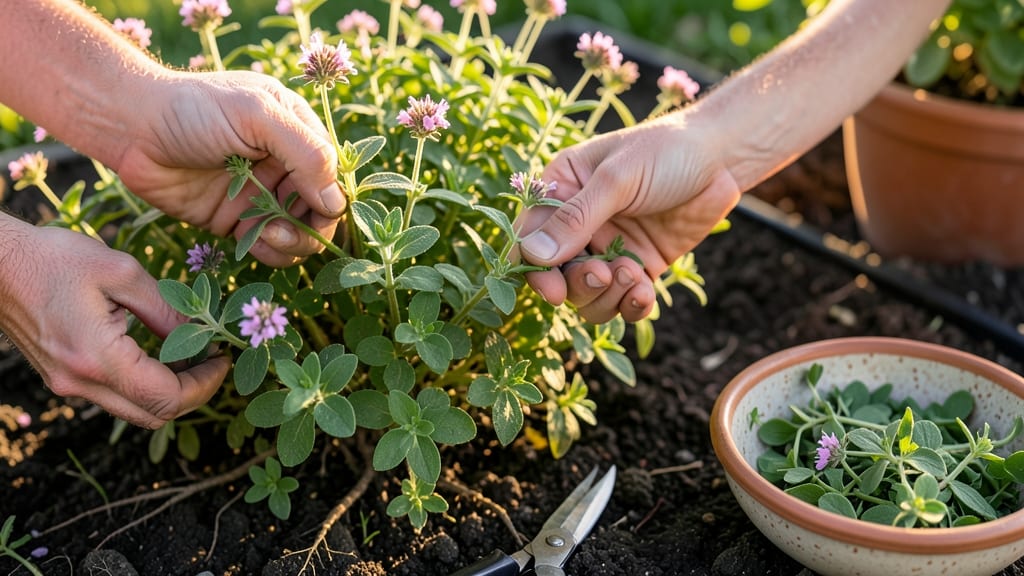
Harvest oregano when the plant reaches 6-12 inches tall and the leaves begin turning a deep, rich green 🌿 — that’s the sweet spot for maximum flavor and aroma.
Picture this: you pinch a leaf and it releases that bold, earthy scent you love, but the buds haven’t yet opened into flowers. That’s your cue to grab those shears—wait any longer, and the leaves turn bitter.
Timing matters because oregano’s flavor peaks in late spring to early summer, right after the last frost. If you miss this window, you’ll either get sparse harvests or lose that signature Mediterranean punch.
Below, I’ll show you how to spot the perfect harvest moment using color, aroma, and even stem firmness—plus how to keep your plant thriving for multiple cuts all season long.

How to identify the perfect harvest time using leaf color and aroma
Harvesting your oregano plant at the right time ensures the most flavorful leaves and prevents bitterness. The best indicators are leaf color and aroma intensity, which signal peak maturity. Beginners often struggle to distinguish between ready and overripe leaves, but these visual and sensory cues make it simple.
Start by examining the leaf color—mature oregano leaves transition from bright green to a grayish-green hue. This subtle shift indicates the plant is ready for harvest. Pair this with a strong, earthy aroma when leaves are crushed; weak or no scent means the plant isn’t mature enough.
Here’s a quick reference to help you identify the perfect harvest moment:
Timing your harvest based on leaf color and aroma is crucial. If you wait too long, the leaves will turn yellow and lose their flavor potency.
For the best results, harvest in the morning when essential oils are at their peak. This also gives the plant time to recover before nightfall.
Another key visual cue is the stem condition. Ready-to-harvest stems should be slightly woody but still flexible. If they snap easily, the plant is overripe. Use sharp pruning shears to cut stems just above a leaf node, encouraging bushier growth and more abundant harvests in the future.
For container-grown oregano, check the leaves every 2-3 weeks starting in late spring. In-ground plants may need slightly less frequent checks, but consistency is key. If you notice flower buds forming, harvest immediately—they signal the end of the peak flavor window.
Pro tip: Crush a few leaves between your fingers before harvesting. A strong, earthy scent confirms readiness. If the aroma is faint or unpleasant, wait a few days. This simple test saves you from harvesting bitter or underripe leaves.
Seasonal timing also matters. In USDA Zone 6a, aim for harvests between late spring and early fall, avoiding frost-sensitive periods. Early morning harvests in these seasons yield the most aromatic leaves, perfect for drying or fresh use.
Remember, regular harvesting encourages new growth and prevents the plant from becoming woody. Trim stems back by one-third to maintain a compact, productive shape. This practice keeps your oregano bushy and flavorful all season.
With these cues, you’ll never miss the perfect harvest time again. Happy gardening! 🌿✂️🌱
Best practices for harvesting oregano to maximize flavor and growth
Timing your oregano harvest correctly is the secret to bold flavor and vigorous regrowth. Unlike many herbs, oregano actually benefits from regular pruning, which encourages bushier growth and prevents woody stems.
The key is to harvest when the plant is mature but before it flowers—this ensures you get the most aromatic leaves while keeping your plant productive for future harvests.
Seasonal timing matters too. In USDA Zone 6a (like much of the Midwest), I always prioritize harvesting in late spring to early summer when growth is most vigorous. However, a fall harvest in September or October can also yield flavorful leaves before the first frost.
The trick is to avoid harvesting during extreme heat or drought, as this stresses the plant and reduces flavor potency.
- 1. Harvest height: Wait until stems reach 6-12 inches tall with 4-6 sets of leaves per stem.
- 2. Leaf color: Look for dark green to grayish-green leaves—avoid harvesting when leaves turn yellow or brown.
- 3. Aroma test: Crush a few leaves between your fingers—strong, pungent scent means peak flavor.
- 4. Stem condition: Stems should be slightly woody but still flexible—never harvest when stems are soft or brittle.
- 5. Seasonal timing: Prioritize late spring (May-June) and early fall (September) for best flavor.
For cutting techniques, I always use clean, sharp scissors or pruning shears to avoid damaging the plant. Cut just above a leaf node (the point where leaves grow) to encourage new growth.
Never remove more than one-third of the plant in a single harvest, or you’ll stress the oregano and risk stunted growth. I also avoid cutting into the woody center of older stems, as this can kill the plant.
After harvesting, post-harvest care is crucial for maintaining flavor and growth. Immediately rinse your oregano under cool water to remove dirt, then pat dry gently with a paper towel. Store fresh oregano in the fridge for up to 1 week in a sealed container, or dry it for long-term storage.
To dry, bundle stems together and hang upside down in a dark, well-ventilated space for 1-2 weeks until leaves crumble easily.
To sustain your oregano plant for future harvests, I recommend fertilizing lightly after each major harvest with a balanced 5-10-10 fertilizer. Water deeply in the morning to reduce fungal risks, and mulch around the base to retain moisture.
With the right care, your oregano can produce harvests for years, delivering that signature Mediterranean flavor every time.
Pro tip: If your oregano starts flowering, pinch off the budding flowers to redirect energy back into leaf growth. This keeps your plant productive and ensures you always have a steady supply of flavorful oregano for cooking and preserving.