
Plants
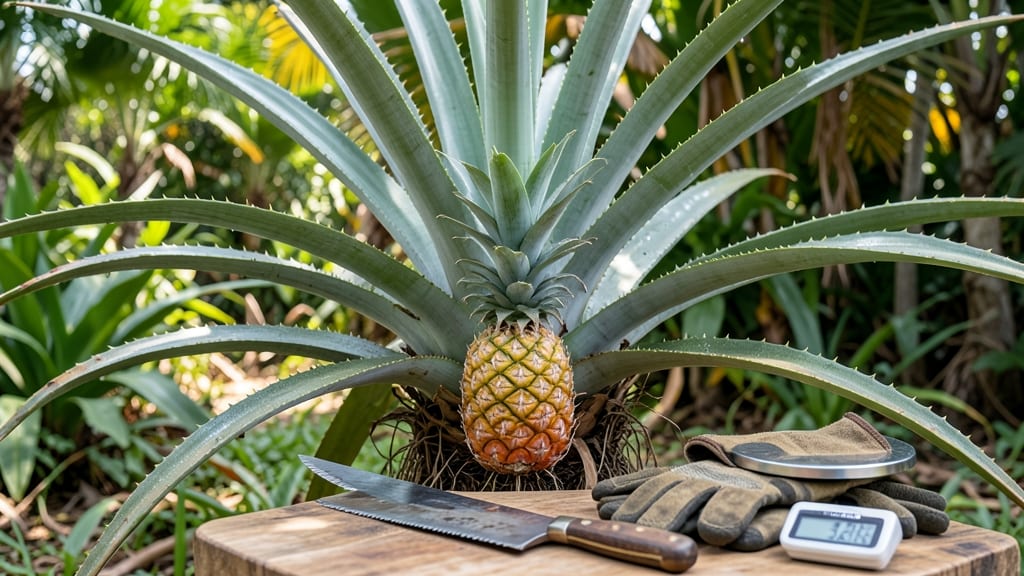
Harvesting a pineapple plant at the right time means the difference between a juicy, sweet fruit and one that’s tart or underripe—here’s how to tell when it’s ready.
Picture this: your 🍍 pineapple plant has spent nearly two years growing in your tropical or subtropical garden, and now the lower leaves are turning brown and crispy. That’s your first clue—but it’s not enough on its own.
The real magic happens when the fruit shifts from green to golden-yellow (or deep red, depending on the variety) and releases that unmistakable sweet aroma at the base.
If you’re growing in Zone 10-12 (or Zone 9 with protection), timing matters even more. A late harvest can leave you with a fruit that’s still firm and sour, while waiting too long risks dropping it before it’s fully ripe.
The good news? There’s a simple stem snap test that takes just 5 seconds to confirm ripeness—no guesswork required.
In this guide, I’ll walk you through the exact visual cues (leaf color, fruit hue, and scent), the foolproof snap test, and how to adjust for your climate. By the end, you’ll know precisely when to pluck that pineapple—and how to enjoy it at its peak.

How to identify the perfect pineapple harvest time using leaf color
Harvesting pineapples at the right time ensures maximum sweetness and flavor. One of the most reliable indicators is the leaf color near the base of the fruit. As your pineapple matures, the lower leaves begin to change color, signaling that the fruit is nearing ripeness.
Understanding these color shifts helps you avoid picking too early or too late.
Pineapple leaves typically start with a vibrant green hue. However, as the fruit ripens, you'll notice brown or yellowing at the base. This color change isn’t random—it’s a natural part of the plant’s process to redirect energy to the fruit.
Ignoring these visual cues can lead to a fruit that’s either underripe and tart or overripe and mushy.
Environmental factors like temperature fluctuations, water stress, or nutrient deficiencies can also affect leaf color. For example, sudden cold snaps might cause premature browning, while excessive moisture can lead to yellowing without ripening. Always consider your local climate when interpreting these signals.
Seasonal variations play a role too. In tropical climates, where pineapples thrive year-round, leaf color changes occur more predictably. But in subtropical zones*, like parts of California or Florida, cooler winters can delay ripening.
Pay attention to both the leaves and the fruit’s overall appearance to make an accurate judgment.
Here’s a quick guide to interpreting leaf color changes and what they mean for your pineapple’s ripeness:
Some pineapple varieties, like the Red Spanish, develop a reddish tint as they ripen, while others, such as Sugarloaf, may stay golden-yellow. Always cross-reference leaf color with other ripeness indicators, like the fruit’s scent and the stem snap test, for the most accurate timing.
If your pineapple leaves turn yellow but remain soft, it could signal overwatering or disease. In contrast, brown, crispy leaves are a good sign—they indicate the plant is redirecting nutrients to the fruit.
Never harvest based on leaf color alone; always combine it with other ripeness tests for the best results.
Environmental stress, such as drought or extreme heat, can also cause premature leaf browning. If your pineapple’s leaves are turning brown but the fruit isn’t fragrant or fully colored, hold off on harvesting. Instead, focus on providing consistent water and shade to help the fruit mature properly.
In cooler climates, where pineapples are grown in containers, leaf color changes might take longer due to slower growth. If you’re in USDA Zone 9 or below, consider moving your pineapple to a warmer location or using a greenhouse to speed up ripening and ensure accurate color cues.
Once you’ve confirmed the leaves are brown and crispy and the fruit smells sweet, it’s time to harvest. Use a sharp knife to cut the pineapple about 1–2 inches above the base, leaving a small stem attached.
This helps the fruit ripen further after picking, enhancing its flavor and texture.
Remember, patience is key. Rushing the harvest based solely on leaf color can lead to a less-than-sweet pineapple. Trust the process, and you’ll be rewarded with a juicy, delicious fruit straight from your garden! 🌱🍍
The stem snap test: a proven method to check pineapple ripeness
Harvesting a pineapple at the perfect moment ensures maximum sweetness and flavor. The stem snap test is my go-to method for determining ripeness without cutting into the fruit. This simple technique saves time and prevents waste by confirming when your pineapple is truly ready to pick.
Unlike guessing by color alone, the snap test provides an accurate physical cue that’s hard to ignore.
To perform the test, gently grasp the pineapple stem near the base and give it a slight twist. A ripe pineapple will detach cleanly with minimal force, often accompanied by a satisfying hollow-sounding snap.
This indicates the fruit is fully mature and ready for harvest. The test works because the stem naturally separates from the plant as the fruit ripens, making it a reliable indicator.
⚠️ WARNING: Avoid Over-Twisting! Testing too aggressively can damage the plant or cause premature detachment. Always use gentle pressure—just enough to feel resistance. If the stem bends but doesn’t snap, the pineapple needs more time.
Over-twisting can also expose the fruit to pests or diseases, so treat your plant with care during this process.
Listen closely for the sound of the snap. A ripe pineapple produces a crisp, hollow noise, almost like snapping a dry twig. If you hear a dull thud or feel the stem tear, the fruit isn’t ready yet.
This auditory cue is often more reliable than visual signs alone, especially for greenhouse-grown pineapples where color changes may be less pronounced.
Timing is everything when harvesting pineapples. The stem snap test should be performed in the morning hours when the plant is hydrated. Afternoon tests might yield false results because heat can make stems feel softer than they are.
Pair this test with other ripeness indicators, like a sweet aroma at the base and golden-yellow coloring, for the most accurate results.
If your pineapple passes the snap test but still looks green, don’t panic. Some varieties, like Red Spanish, may take longer to develop full color. Focus on the aroma and stem separation as your primary guides.
Once you’ve confirmed ripeness, harvest immediately to preserve flavor and texture—pineapples continue to ripen slightly after picking but won’t improve significantly.
Pro tip: Mark your calendar 18–24 months after planting, as most pineapples take this long to mature. The stem snap test becomes especially useful in the final 2–4 weeks before expected harvest time, helping you pinpoint the exact moment for the sweetest fruit.
With practice, you’ll develop an ear for the perfect snap—trust your instincts! 🍍