
How To
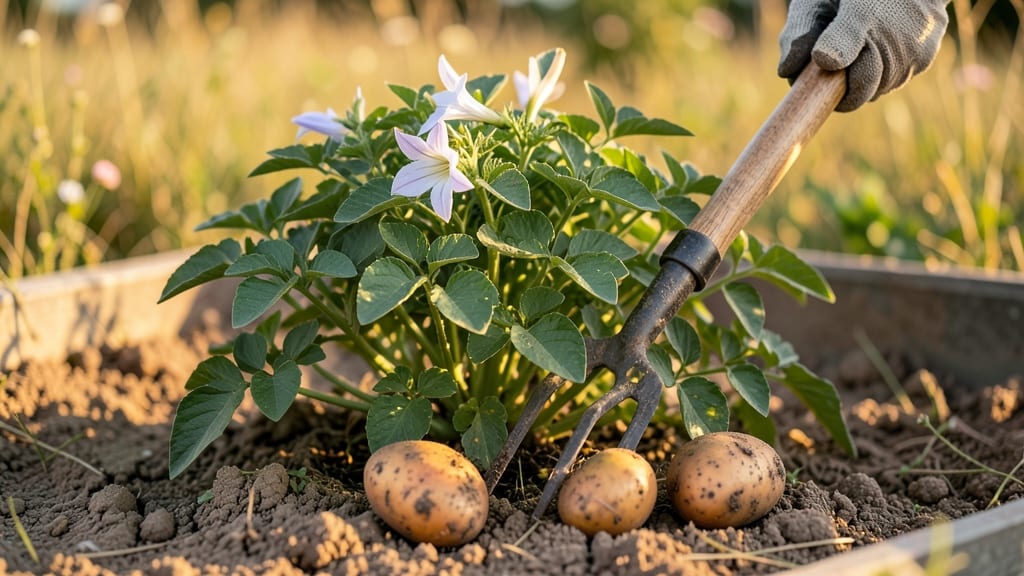
Harvesting potatoes in Ohio at the right time means the difference between crisp, flavorful tubers and tough, shriveled messes—so timing is everything.
Ohio’s unpredictable climate can turn a bountiful potato crop into a disappointing harvest if you wait too long—or pick too soon. Mastering the perfect harvest window ensures crisp, flavorful tubers every time, whether you’re growing for storage, fresh eating, or market sales.
Most gardeners miss the mark by relying on days after planting, but the real clues are in the soil and plant signals: when foliage yellows, stems snap easily, and tubers resist a gentle squeeze.
In Ohio’s 6a zone, that window often opens in late July for early varieties and stretches into September for late-season types.
Below, I’ll walk you through the exact soil tests, plant cues, and variety-specific timelines to pull your 🥔 potatoes at peak perfection—plus what happens if you harvest too early or too late (spoiler: it’s not pretty).

How to test soil and plant signals for harvest-ready potatoes in Ohio
Ohio’s variable climate makes timing your potato harvest tricky. Too early, and you get small, underdeveloped tubers—too late, and frost ruins your crop. The key? Combining soil tests with plant maturity signals tailored to Ohio’s USDA Zone 6a.
I’ll walk you through the exact methods I use to nail the perfect harvest window every year.
Start by checking your soil temperature—potatoes thrive when it’s between 60°F and 75°F. In Ohio, this typically aligns with late May to early July for early varieties, but late varieties may need to wait until mid-August.
Use a soil thermometer to confirm: if temps drop below 50°F, harvest before frost hits.
Now, let’s talk plant signals. The most reliable cue is foliage yellowing. When about 70-80% of leaves turn yellow and die back naturally, it’s time to dig. But don’t wait too long—if the stems snap easily when bent, you’ve missed the window.
For new potatoes, harvest when tubers reach 1-2 inches in diameter, usually 50-60 days after planting.
| Signal Type | Indicator | Action | Ohio Timing |
|---|---|---|---|
| Soil Temperature | 60°F-75°F | Harvest window opens | Late May-July (early) / Mid-August (late) |
| Foliage Yellowing | 70-80% of leaves | Dig for mature harvest | July-August (varies by variety) |
| Tuber Size | 1-2" (new) / 3+" (mature) | Harvest when firm | 50-60 days (new) / 90-120 days (mature) |
| Stem Test | Snaps easily when bent | Final harvest before frost | September (before first frost) |
| Soil Moisture | Well-drained | Avoid digging wet soil | Wait for dry spell |
For early varieties like Yukon Gold, focus on soil temperature and leaf yellowing—they mature faster in Ohio’s heat. Late varieties like Kennebec need more time, so watch for stem snapping as a final cue.
I always dig a few test tubers first to check size and firmness before committing to a full harvest.
Ohio’s humidity can trick you into thinking potatoes are ready when they’re not. If your soil stays soggy, wait for a dry spell before digging—wet soil compacts and damages tubers. I’ve learned this the hard way after harvesting in damp conditions and ending up with bruised, unusable potatoes.
Don’t ignore new potatoes—they’re a game-changer for Ohio gardeners. These finger-sized tubers form early, often by mid-July. To find them, gently brush away 6 inches of soil around the plant base. If you spot 1-2 inch tubers, harvest immediately for the best flavor and texture.
One mistake I see often is waiting until the entire plant dies back. By then, tubers may have shriveled or sprouted. Instead, harvest when 70% of leaves yellow—this gives you a 2-3 week window to dig before quality drops.
For storage potatoes, aim for full-sized tubers with firm skin.
Pro tip: Use a fork or hands to dig carefully, especially for loose, sandy Ohio soils. Avoid using a shovel—it can slice through tubers. After harvesting, let potatoes cure in the sun for 1-2 hours to toughen their skin before storing in a cool, dark place.
If frost threatens before you’re ready, harvest anyway. Even if the foliage is still green, tubers will be smaller but edible. Just avoid storing them—they won’t keep well. In Ohio, this usually means racing to harvest by mid-October for late varieties.
Ohio’s best harvest windows by potato variety and seasonal conditions
Ohio’s variable frost dates and high humidity demand precise timing for potato harvests. Early varieties like 'Yukon Gold' thrive in June’s mild weather, while late varieties such as 'Kennebec' need protection from October’s first frost.
Understanding these windows ensures you avoid green tubers or shriveled potatoes—both common pitfalls in Ohio gardens.
Your harvest timing hinges on plant maturity, soil conditions, and weather forecasts. Early varieties mature in 60–90 days, while late varieties take 100–120 days.
Ohio’s average first frost (October 15) sets the deadline for late harvests, but humidity delays can push tubers to maturity faster or slower than expected.
Below, compare harvest windows for Ohio’s top potato varieties, adjusted for soil drainage and frost risk. Use this as your guide to time harvests for peak flavor and storage quality.
For late varieties, prioritize soil drainage to prevent rot. Ohio’s clay-heavy soils can trap moisture, so amend beds with compost or sand before planting. If frost threatens before harvest, mulch heavily with straw to delay tuber spoilage.
Harvesting too late risks sprouting tubers or disease spread from decaying foliage. Always cure potatoes in a dry, dark space for 1–2 weeks post-harvest to thicken skins and improve storage life. Store in cool (40–50°F), humid conditions to prevent shriveling.
Pro tip: Test a few tubers from each variety 2 weeks before the expected harvest window. If they’re firm and 2+ inches, it’s time to dig! Adjust for Ohio’s unpredictable weather by monitoring 7-day forecasts closely.