
Vegetables
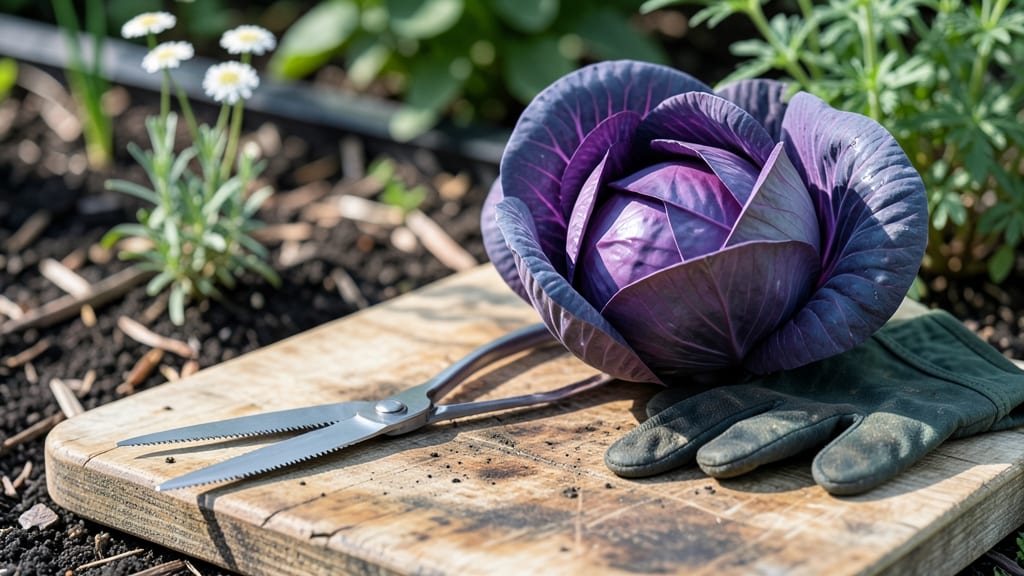
Harvesting your purple cabbage 🥬 at the right time means the difference between a crisp, vibrant head and a limp, flavorless one—so knowing when to harvest purple cabbage is the key to garden success.
That stunning deep purple cabbage in your garden might be ready to harvest—but how do you know for sure? Timing your purple cabbage harvest correctly ensures maximum flavor, texture, and storage life, and missing the window means sacrificing quality.
Most gardeners wait for the heads to reach 4-6 inches in diameter and turn a deep, consistent purple, but there are other telltale signs, like firmness and leaf tightness, that reveal the perfect moment.
Below, I’ll walk you through the color shift test, size benchmarks, and environmental cues to harvest at peak perfection—plus how to store your cabbage so it stays fresh for weeks.

How to use the purple cabbage color test for perfect harvest timing
Purple cabbage is one of those magical vegetables that changes color as it matures, giving you a built-in harvest timing indicator. The deeper the purple, the sweeter and more flavorful your cabbage will be—but only if you harvest at the right moment.
I’ve learned that ignoring these color cues can mean sacrificing crispness or letting your cabbage bolt too early.
For most varieties, purple cabbage takes 75-100 days to mature, but the color shift from light lavender to deep violet is your best clue. This test works for both baby purple cabbage (harvested small) and full-sized heads. Let’s break down how to read these color signals like a pro.
| Stage | Color | Head Size | Texture | Harvest Time | Best For |
|---|---|---|---|---|---|
| Early Growth | Light Lavender | 2-3 inches | Loose leaves | Not ready | Baby leaves (optional) |
| Mid-Maturity | Medium Purple | 4-6 inches | Firm but slightly soft | Baby cabbage (cut outer leaves) | Salads, stir-fries |
| Full Maturity | Deep Violet | 6-8 inches | Tight, crisp head | Full harvest (cut entire head) | Storage, cooking |
| Over-Mature | Brown/yellow edges | 8+ inches (loose) | Soft, bitter core | Too late | Avoid |
Use this table to match your cabbage’s color and size to the perfect harvest window.
When your purple cabbage reaches a deep, consistent violet hue and measures about 6-8 inches in diameter, it’s prime for harvesting. I always check the outer leaves first—they should be tightly wrapped and free of yellowing. Pro tip: The stem should snap cleanly when bent, not break easily.
For baby purple cabbage, you can start harvesting smaller heads at 4-6 inches when the color is still medium purple. This method gives you multiple harvests per plant and works well for salads or quick-cooking dishes. I’ve found that harvesting baby leaves encourages the plant to produce more heads.
One mistake I made early on was waiting too long for the perfect deep purple. While that’s ideal for storage, cabbage left too long on the plant can become loose, bitter, and prone to pests.
If the outer leaves start yellowing or the head feels spongy, it’s past its prime.
Temperature also plays a role. In cooler climates, purple cabbage matures slower, so I always adjust my harvest timing based on frost dates. Aim to harvest before the first frost hits—typically October 15 in most USDA Zone 6a regions. For spring plantings, harvest between June and July.
After harvesting, store your purple cabbage in a cool, dark place (like a root cellar) for up to 2 weeks. For longer storage, wrap the whole head in a damp cloth and keep it in the fridge.
The deeper the purple at harvest, the longer it’ll keep its vibrant color and crisp texture.
Now that you know how to read your purple cabbage’s color signals, you’ll never miss the perfect harvest window again. The key is to watch for that deep violet shift and act before the head loosens. Happy harvesting!
5 Key signs your purple cabbage is ready (beyond just color)
While the deep purple hue of your cabbage is the most obvious sign, it’s not the only indicator. Purple cabbage reaches peak flavor and texture when several physical and environmental cues align.
Missing these subtle signals can mean harvesting too early (leaving you with loose leaves and bland taste) or too late (resulting in tough, bitter heads). Let’s dive into the 5 key signs that confirm your purple cabbage is truly ready for harvest.
First, pay attention to the head’s firmness. A perfectly ripe purple cabbage should feel solid and compact when gently squeezed. If it yields slightly under pressure, it’s not ready yet. Think of it like testing a ripe avocado—just enough give to know it’s mature, but not mushy.
This firmness ensures the crunchy texture you crave in your salads or stir-fries. In cooler climates like USDA Zone 6a, this firmness might develop more slowly, so don’t rush the process.
Next, check the core development. The heart of the cabbage should be fully formed and tightly packed with leaves. If you can see gaps or loose layers at the center, the head isn’t ready.
This is especially critical for fall-planted cabbage, which may mature unevenly due to fluctuating temperatures. A well-developed core guarantees a longer shelf life and better storage potential, whether you’re fermenting it into sauerkraut or keeping it fresh in the fridge.
Gently squeeze the head—it should feel rock-solid with no soft spots. Use your thumb and index finger to check the outer leaves for tightness.
Peel back the outer leaves to inspect the center core. It should be fully formed with no gaps or loose layers.
Grasp the stem near the base and bend it slightly. If it snaps cleanly, the head is ready. A bend without a snap means it’s still maturing.
Aim for 4-6 inches in diameter. Smaller heads may lack flavor, while oversized cabbage can become woody and tough.
Check your local frost dates. If your area has a first frost in mid-October, harvest by early October to avoid bitterness from cold stress.
Don’t overlook the stem snap test, a foolproof way to confirm readiness. Hold the stem near the base and bend it gently. If it snaps cleanly with a slight resistance, your cabbage is perfect for harvest. A stem that bends without breaking indicates it needs more time.
This test works especially well for spring-planted cabbage, which may mature faster in warmer climates. Pro tip: Perform this test in the morning when the stems are most hydrated for accurate results.
Size matters too—aim for a 4-6 inch diameter for optimal flavor and texture. Heads smaller than 4 inches often taste mild and watery, while those exceeding 6 inches can develop a woody core.
In cooler regions, like the Pacific Northwest, cabbage may take longer to reach this size, so monitor growth closely. If your cabbage is nearing the upper limit but still firm, harvest it promptly to avoid overgrowth.
Finally, consider environmental factors like temperature and frost risk. Purple cabbage is cold-hardy but can develop bitterness if exposed to freezing temperatures before harvest. If your first frost is predicted within 2-3 weeks, prioritize harvesting even if the heads aren’t at their maximum size.
In warmer climates, like Southern California, you can afford to wait longer, but always prioritize firmness and color consistency over size alone.
By combining these 5 key signs—firmness, core development, stem snap, size, and environmental cues—you’ll harvest your purple cabbage at its peak. This ensures maximum flavor, crisp texture, and longer storage life, whether you’re enjoying it fresh, fermented, or cooked. Happy harvesting! 🥬