
Vegetables
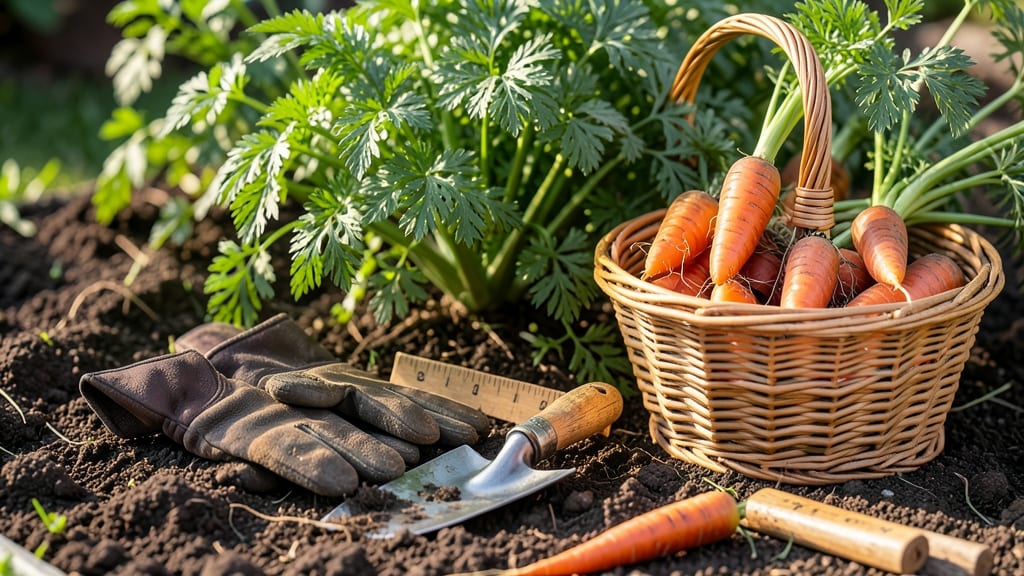
Harvesting rainbow carrots at the right time ensures their sweetest, crispest flavor—so pull them when roots reach 1-2 inches in diameter and foliage stands 6-8 inches tall.
Picture this: you’ve nurtured your vibrant 🥕 for months, only to dig up a tough, bitter root because you waited too long. Or worse, a tiny, underdeveloped one because you harvested too soon. The difference between these extremes? Knowing the exact signals—from soil resistance to leaf color—that scream, "It’s time!"
In Zone 6a, spring-planted rainbow carrots typically hit peak ripeness in June-July, while fall crops are ready by October-November. But timing isn’t just about the calendar—it’s about the soil-lift test, root thickness, and even the weather.
A light frost can sweeten them further, but push it too far, and you’ll lose flavor fast.
Below, I’ll walk you through the foolproof way to test maturity, spot overripe warning signs, and store your harvest so those rainbow roots stay crisp for weeks. No more guesswork—just perfect, homegrown sweetness every time.

How to test rainbow carrot maturity using the soil-lift method
Harvesting rainbow carrots at the perfect moment transforms their sweetness from ordinary to extraordinary. The soil-lift method is my go-to trick for determining when these vibrant roots are ready to pull.
Unlike guessing by days after planting, this hands-on test checks root size, soil resistance, and foliage signals—all clues your carrots are begging to be harvested.
Why does timing matter? Carrots left too long in the ground become woody and bitter, while those pulled too early stay small and underdeveloped. The soil-lift method gives you a foolproof way to test maturity without damaging the crop. Grab your gardening gloves and let’s dig into the details!
Pro tip: Test a few carrots in different parts of your bed—maturity can vary by 1-2 weeks depending on soil conditions. If your garden is in USDA Zone 6a or warmer, aim for harvesting between 70-90 days after planting, but always trust the soil-lift method over a calendar.
What if your carrots are too small or too large? Don’t panic! Smaller roots can be harvested early for salads, while larger ones can be roasted—they just won’t be as sweet. The key is consistent checking every 5-7 days once foliage hits 4 inches tall.
Avoid the mistake of waiting until the entire bed looks ready. Carrots mature unevenly, so check individual plants. Overripe carrots develop hard, fibrous cores and lose their signature sweetness. The soil-lift method ensures you harvest at peak flavor, every time.
Once you’ve mastered this technique, you’ll never second-guess your harvest again. The next time you’re kneeling in the garden, take a moment to lift, test, and taste—your rainbow carrots will thank you with their crisp, sweet perfection!
🌱
Signs your rainbow carrots are overripe (and how to fix it)
If your rainbow carrots have gone past their prime, you’ll know it fast—those once-sweet, crisp roots turn tough, bitter, and even split open. The good news? Recognizing these overripe signs early means you can salvage your harvest or adjust your gardening strategy for next time.
Let’s dive into the red flags and how to turn things around.
First, watch for woody texture—when carrots become fibrous and hard to bite through. This happens when roots grow beyond their ideal 1-2 inch diameter, signaling they’ve outstayed their welcome in the soil.
Another clue? Split roots or cracked skin, which occur when roots swell too quickly due to inconsistent watering or poor soil drainage.
🚨 CALLOUT-WARNING 🚨
Don’t ignore these 3 key warning signs:
- 🥕 Bitter taste – Sugar converts to starch, ruining sweetness
- 🪴 Woody texture – Fibrous roots lose crispness
- 💧 Split roots – Cracks from uneven moisture
Fix it:
- Harvest immediately and use in cooked dishes (soups, stews)
- Adjust watering to 1 inch per week for next crop
- Try succession planting every 3 weeks for continuous harvests
Beyond texture, check the foliage. Overripe carrots often sprout yellowing leaves or flower stalks—a clear sign they’re redirecting energy toward reproduction instead of root growth. If you spot these, it’s time to pull them before they bolt, which further depletes the root’s quality.
To prevent overripeness next season, plan your succession planting strategy. Rainbow carrots thrive with 3-week intervals between sowings, ensuring a steady supply of fresh, tender roots. For example, plant your first batch in early spring, then repeat in late summer for a fall harvest before frost.
Storage is your last line of defense. Harvest overripe carrots at their peak, trim the tops, and store them in a cool, dark place (like a root cellar) for up to 2 weeks.
For longer storage, wrap them in damp sand or paper towels to maintain moisture and crispness. But remember: Even stored carrots won’t regain their lost sweetness—prevention is key!
If your current crop is a write-off, don’t despair. Use the split roots or smaller carrots in homemade broths or compost them to enrich your soil. Then, reset your garden with a fresh batch—your next harvest will be sweeter for the lesson learned. Happy gardening! 🌱