
How To
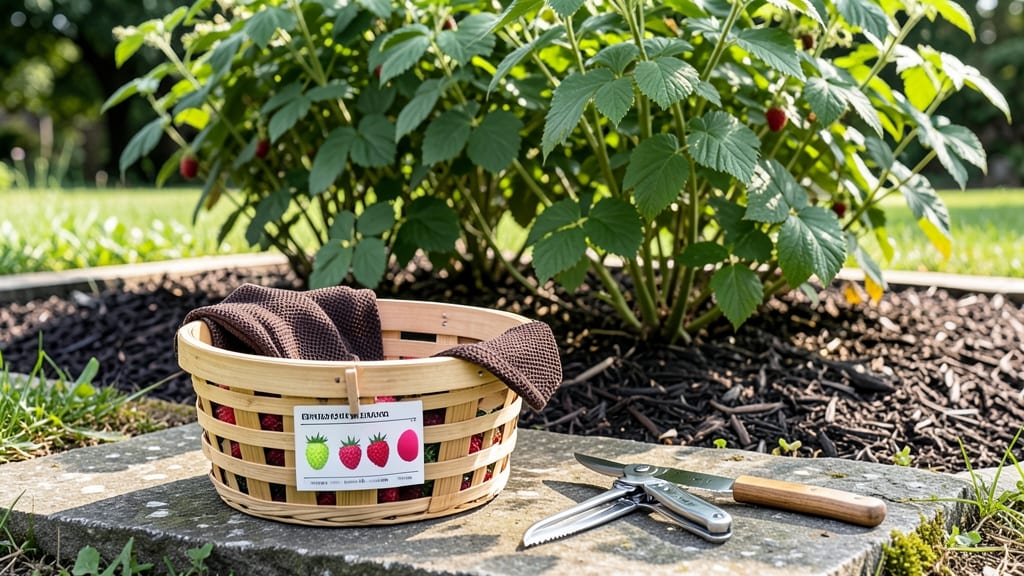
Harvesting raspberries at the right time ensures those sweet, juicy 🍇 flavors you’ve been waiting for—wait too long, and you’re left with a mushy mess.
Picking raspberries at the wrong time can turn your sweet summer treat into a mealy, underripe disappointment—so timing your harvest perfectly is key to unlocking that juicy, burst-of-flavor magic.
You’ll need to watch for color shifts (deep red, black, or golden, depending on the variety) and the gentle give of ripe berries. But it’s not just about color—morning harvests often yield the freshest fruit, and seasonal factors like heat waves or rain can speed up ripening.
In this guide, I’ll walk you through the color cues, the pluck test, and the best times of day to harvest for peak flavor—plus how to adjust for your local climate. Let’s make sure every raspberry you pick is worth the effort!

Raspberry color stages: how to identify perfect harvest time by berry shade
Raspberries transform through three distinct color stages—green, pink, and deep red/black—each signaling a different level of ripeness. Understanding these shifts helps you pick berries at peak flavor and avoid mealy, underripe fruit.
The journey from green to fully colored isn't just about aesthetics; it's a flavor and texture evolution that determines whether your harvest will be sweet, tart, or downright disappointing.
I’ve learned the hard way that green raspberries taste like grassy disappointment, while overripe berries turn mushy in seconds. The secret lies in identifying the perfect midpoint—when berries are fully colored but still firm.
This stage ensures maximum sweetness and juiciness, making every bite worth the effort. Let’s break down each stage so you can spot the ideal harvest window like a pro.
Visual cues are your best friends when harvesting raspberries. The color progression from green to pink to deep red/black (or golden for heritage varieties) isn’t just a pretty show—it’s a flavor roadmap. For example, red raspberries should be a vibrant, uniform red, while black raspberries need that deep, almost purple-black hue. Even golden raspberries (like 'Golden Queen') turn a stunning golden-yellow when ready. Ignoring these clues means risking underripe tartness or overripe mushiness.
The green stage is where most beginners go wrong. These berries are hard and unripe, tasting more like grass than fruit. If you pick them now, you’ll be left with tart, seedy disappointment.
Wait until the berries start showing pink tinges—this is your first clue that sweetness is developing. But don’t rush! The pink stage is still a warning sign; berries here are softening but not fully sweet.
They’ll taste better than green ones, but you’re not quite at peak flavor yet.
Here’s where regional variations come into play. In cooler climates (like the Pacific Northwest), raspberries may stay pink longer before turning red. Meanwhile, in hotter regions (such as the Southeast), berries can ripen faster and darken quicker.
I’ve seen golden raspberries in California reach their golden hue in just 5-7 days, while black raspberries in Michigan might take 10-14 days to fully darken. Pay attention to your local climate—it’s the key to predicting ripening speed.
When berries reach their final color, they should be uniform and glossy, not dull or streaked. This is your green light to harvest. For red raspberries, think "vibrant crimson"; for black raspberries, aim for "deep purple-black." Golden raspberries should shine like tiny sunbeams.
At this stage, the berries are plump and slightly yielding—they’ll give just a tiny bit when you gently squeeze them. This firm-yet-soft texture is your golden ticket to perfect flavor.
One mistake I see often is <
The pluck test: 3 simple tricks to check raspberry ripeness before picking
Nothing beats the taste of a perfectly ripe raspberry—juicy, sweet, and bursting with flavor. But knowing when to harvest raspberries can be tricky if you're not sure what to look for.
The good news? A few simple tricks can help you determine ripeness without guessing. The pluck test is your secret weapon for avoiding mealy, underripe berries or overripe, mushy ones.
Most gardeners rely on color alone, but raspberry ripeness involves more than just shade. The gentle tug test, stem separation, and leaf contrast are foolproof methods to ensure you're picking at peak flavor.
Skip these steps, and you might end up with berries that lack sweetness or fall apart in your hand. Let’s break down each trick so you can harvest like a pro every time.
🌱 Numbered Highlights: The Pluck Test for Perfect Raspberries
- 1. Gentle Tug Test: Gently pull a berry away from the plant. If it detaches cleanly with minimal resistance, it’s ripe. If it tears or won’t budge, wait a day or two. Overripe berries will fall off on their own, so act fast!
- 2. Stem Separation: Check where the berry meets the plant. A ripe raspberry’s stem should separate easily from the receptacle (the white core). If the stem resists or snaps, the berry needs more time. This trick works best for summer-bearing varieties.
- 3. Leaf Contrast: Hold the berry up to a bright green leaf. Ripe raspberries will appear deep red, black, or golden (depending on the variety) with a glossy sheen. Pale or dull berries aren’t ready yet. This method helps spot hidden ripeness in shaded patches.
💡 Pro Tip: Avoid picking berries that are still pale pink or hard to the touch—they’ll lack flavor and may not ripen further once picked.
One common mistake is assuming all raspberries ripen at the same time. Fall-bearing varieties produce two crops, so keep an eye on both early and late-season berries.
Another pitfall? Harvesting in the midday heat, which can make berries soften too quickly. Always pick in the morning for the best texture and flavor.
If you’re growing golden raspberries, the pluck test still applies, but watch for their yellow-orange hue instead of red or black. These varieties often ripen slightly later in the season, so don’t rush the harvest.
The same rules apply: gentle tug, clean stem separation, and vibrant color are your best friends.
Once you master the pluck test, you’ll never second-guess your raspberry harvest again. The key is consistency—check berries daily during peak season and act quickly when they’re ready. With these tricks, you’ll enjoy sweeter, juicier raspberries straight from your garden to your plate. Happy picking! 🍇