
Vegetables
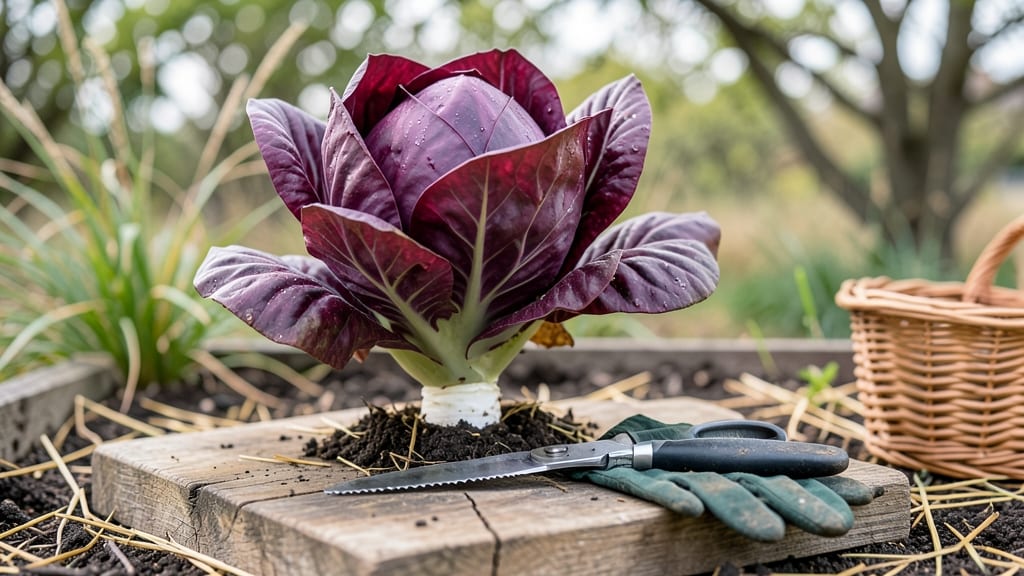
Harvesting red cabbage at the right time ensures you get that signature deep purple color and satisfying crunch 🥬—and missing the window can turn your crop into a bitter, woody mess.
Picture this: you’ve nurtured your plants all season, and now you’re staring at a head that’s either still rock-hard or already splitting at the seams.
That’s why knowing when to harvest red cabbage isn’t just about days since planting—it’s about leaf color shifts, head firmness, and even the weather forecast.
Here’s the secret: the perfect red cabbage should have leaves that are a rich, deep purple (not pale or yellowing) and a head that’s firm but gives slightly when pressed. Ignore the calendar—your fingers and eyes are the real tools.
In this guide, I’ll walk you through the crunch test, how to spot overmaturity before it ruins your harvest, and why a sudden temperature drop can send your cabbage into early retirement.


Signs red cabbage is ready for harvest: leaf color & size guide
Harvesting red cabbage at the perfect moment transforms your garden into a flavor powerhouse. The key lies in visual cues that reveal optimal ripeness—deep purple hues, firm texture, and compact heads.
Missing these signs often leads to bitter, tough leaves or loose, underdeveloped cabbages. Let’s break down the exact signals to watch for and how to avoid common harvesting mistakes.
First, focus on the leaf color transformation. Immature red cabbage starts with green or pale purple edges, but as it matures, the leaves deepen into a rich, vibrant purple. This color shift isn’t just about aesthetics—it signals peak sweetness and crunch.
Overripe cabbage, however, may develop yellowing or brown edges, a clear sign it’s past its prime. Pay close attention to the outermost leaves, as they’re the first to show these changes.
Next, examine the head size and firmness. A ready-to-harvest red cabbage typically measures 4-6 inches in diameter and feels solid and heavy for its size. Gently squeeze the head—it should resist slightly, like a well-inflated balloon.
If the head feels soft or spongy, it’s likely overripe. Conversely, if it’s small (under 3 inches) and loose, it needs more time to mature. These physical cues are your best indicators of readiness.
| Sign | Description | Action |
|---|---|---|
| Leaf Color | Deep, vibrant purple (no green or yellow) | Harvest when fully purple |
| Head Size | 4-6 inches in diameter | Ideal for harvesting |
| Firmness | Solid, heavy, resists gentle pressure | Ready for harvest |
| Outer Leaves | No yellowing, wilting, or browning | Harvest immediately |
| Head Shape | Tightly packed, compact | Perfect for harvesting |
Avoid the temptation to harvest based on planting dates alone. While red cabbage typically matures in 75-90 days, environmental factors like temperature, sunlight, and soil quality can shift this timeline.
For example, cooler temperatures slow growth, while hot, sunny days may speed it up. Always prioritize visual and tactile cues over calendar-based estimates to ensure the best flavor and texture.
One common mistake is harvesting too early to "beat the frost." While red cabbage can tolerate light frosts, waiting for full maturity ensures sweeter, more flavorful leaves. If frost is imminent and your cabbage isn’t ready, consider covering it with row fabric to buy a few extra days.
This simple trick can make the difference between a crisp, vibrant harvest and a wilted, bitter disappointment.
Another pitfall is ignoring the stem and leaf attachment. When ready, the inner leaves should pull away cleanly from the stem with minimal force. If the stem resists or breaks easily, the cabbage may still need time.
Use a sharp knife or pruners to cut the stem about 1 inch above the base, leaving the outer leaves intact to protect the plant’s growth point for any secondary heads that may form.
For gardeners in warmer climates, red cabbage may bolt or go to seed before reaching maturity. If this happens, harvest the outer leaves first to enjoy partial yields. These leaves are still edible and nutrient-rich, though they may lack the tight, compact structure of a fully mature head.
This approach extends your harvest window and reduces waste, making it a practical solution for unpredictable growing conditions.
Finally, store harvested red cabbage properly to preserve its vibrant color and crisp texture. Place whole heads in a plastic bag with a paper towel to absorb excess moisture, then refrigerate. With proper storage, red cabbage can last 2-3 weeks, though its flavor and texture degrade over time.
For long-term storage, consider fermenting or freezing the leaves to lock in nutrients and flavor for months.
Mastering the art of harvesting red cabbage boils down to observation and timing. By focusing on leaf color, head size, and firmness, you’ll consistently produce crisp, flavorful cabbages that elevate any dish.
Next time you’re in your garden, take a moment to squeeze, inspect, and taste-test—your future meals will thank you! 🥬
The crunch test & other proven harvest methods for perfect red cabbage
Harvesting red cabbage at the right moment transforms it from a simple vegetable into a flavorful, textural masterpiece. While most gardeners focus on color or size, I’ve found the most reliable indicators combine texture, sound, and resistance—techniques that work even for beginners.
These methods help you avoid the common pitfalls of harvesting too early (underdeveloped flavor) or too late (bitter, woody stems).
My go-to approach starts with the crunch test, where I gently squeeze the outer leaves. A properly mature red cabbage should feel firm yet slightly springy, like a well-inflated balloon.
If it feels mushy, it’s overripe; if it’s too stiff, it needs more time. This tactile check is especially useful for cloudy days when visual cues like color might be less reliable.
Beyond texture, I also rely on stem resistance and leaf pulling to confirm readiness.
These methods provide a second layer of verification that visual inspections alone can’t. For example, when you gently tug on the outer leaves, they should resist slightly but pull away cleanly—not snap off abruptly or stay attached stubbornly.
This indicates the head is fully developed but hasn’t yet started to degrade.
- 🌱 Step 1: Check Leaf Color – Look for deep purple-red hues throughout the head. Pale or greenish leaves mean it’s not ready.
- 📏 Step 2: Measure Head Size – Aim for a 4-6 inch diameter. Smaller heads (under 3 inches) are underdeveloped.
- 🤲 Step 3: Perform the Crunch Test – Gently squeeze outer leaves. They should feel firm and crisp, not soft or rubbery.
- 🔊 Step 4: Tap for Sound – Lightly tap the head. A hollow, crisp sound means it’s ready; a dull thud indicates overmaturity.
- ✂️ Step 5: Test Stem Resistance – Grip the stem near the base and gently twist. It should resist slightly but give way cleanly.
- 🌿 Step 6: Leaf Pull Method – Gently pull on an outer leaf. It should detach easily without tearing the head.
For gardeners in USDA Zone 6a or cooler climates, timing is critical. I’ve noticed that red cabbage planted in March-April often reaches harvest readiness by mid-July to early September, depending on your last frost date.
If you’re in a warmer zone, your harvest window may shift slightly earlier. Always align your harvest with cool evening temperatures (below 75°F) to preserve sweetness and crispness.
One mistake I see often is relying solely on calendar days (e.g., "harvest at 90 days"). While this is a good starting point, environmental factors like sunlight intensity, soil fertility, and rainfall can shift the timeline by up to 2 weeks.
That’s why I combine the crunch test with the other methods—it accounts for these variables and gives you a consistent, foolproof system.
Pro tip: If your red cabbage heads start to loosen or split, it’s a sign of overmaturity. In this case, harvest immediately and use the cabbage in cooked dishes where texture is less critical.
For the crispiest results, aim to harvest before the outer leaves begin to yellow or wilt—this is your final window for peak freshness.