
Vegetables
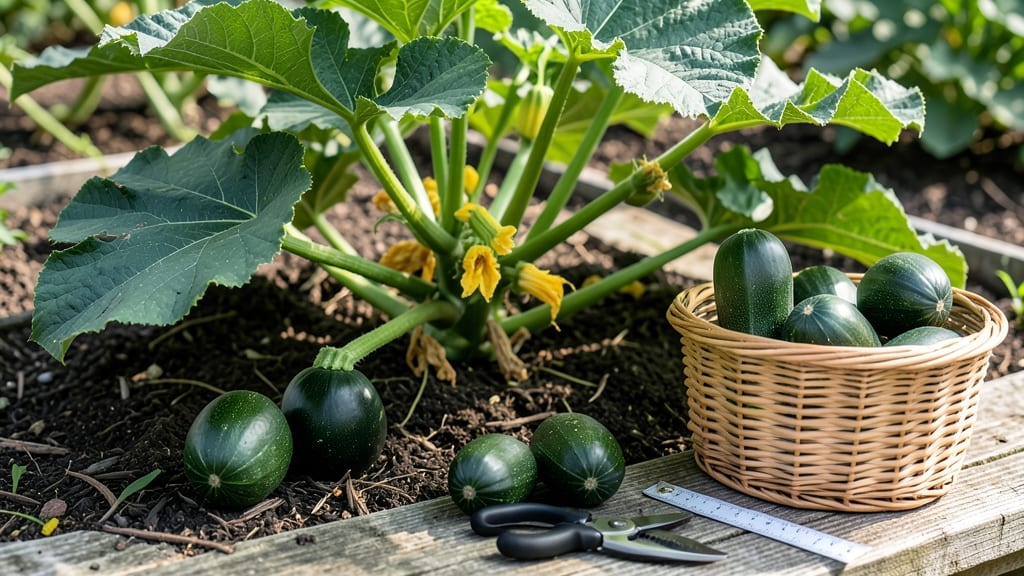
Harvesting round zucchini when they’re 6 to 8 inches long ensures tender, flavorful squash—before they turn tough and seedy.
Picture this: you’ve been checking your 🎃 plants daily, but one morning, you notice a zucchini that’s already rock-hard and bitter. That’s the moment you realize timing matters more than you thought.
Too early, and the skin is thin, mealy, and lacks sweetness. Too late, and the seeds multiply, turning your harvest into a chewy disappointment. The good news? A simple 3-finger rule takes the guesswork out of it.
Below, I’ll show you how to use your fingers to measure ripeness, spot the perfect color and texture, and even adjust for hotter summers or cooler zones. By the end, you’ll know exactly when to snip—and how to keep your plants producing all season.
How to determine zucchini ripeness using the 3-Finger rule
Harvesting round zucchini at the right moment ensures tender flesh and sweet flavor. The 3-finger rule is my go-to trick for perfect timing—it’s foolproof and works for all round zucchini varieties.
When your zucchini fits snugly between your thumb and three fingers, it’s ready to pick. This simple measurement prevents those rock-hard, seedy monsters that take over your garden!
The 3-finger rule aligns perfectly with zucchini’s ideal 6-8 inch length, where texture and taste peak. If you miss this window, your zucchini can quickly become overripe, turning bitter and tough.
I’ve learned this the hard way—skipping harvests leads to disappointed plants and wasted produce. Let’s dive into how to use this rule and spot other key ripeness cues.
| Stage | Size (Length) | Skin Texture | Flavor Profile | Action |
|---|---|---|---|---|
| Too Early | 4 inches or less | Very soft, yields to pressure | Mushy, bland | Wait 1-2 weeks |
| Perfect Time | 6-8 inches | Firm but yields slightly | Sweet, tender | Harvest immediately |
| Overripe | 9+ inches | Hard, tough skin | Bitter, seedy | Use for baking or compost |
Start by measuring your zucchini’s length with your thumb and three fingers wrapped around it. If it fits snugly, congratulations—you’ve hit the sweet spot! This method works best when your zucchini is deep green and glossy, signaling peak ripeness.
I always check the skin’s firmness next—press gently with your thumbnail. If it resists slightly but yields, it’s ready to harvest.
Color is another critical clue. Look for a rich, even green hue without yellowing or white streaks. Uneven coloring often means uneven growth, which can affect flavor. My Black Beauty zucchini plants produce the most consistent color, making them easier to judge.
If you’re unsure, slice one open—ripe zucchini has tender, pale yellow flesh with minimal seeds.
Environmental factors can shift your harvest window slightly. In hotter climates, zucchini may ripen faster, so check daily. Conversely, cooler weather slows growth, giving you more time.
I’ve noticed my zucchini in Zone 6a ripen about a week later than in Zone 8. Always adjust your timing based on your local growing conditions.
Common mistakes include harvesting too late or too early. Overripe zucchini becomes tough and bitter, while underripe ones are watery and bland. I once left a zucchini on the vine too long, and it grew to 12 inches—hard as a rock!
To avoid this, I now check my plants every 2-3 days during peak season. Consistency is key to enjoying sweet, tender zucchini.
Pro tip: Harvest in the morning when temperatures are cool. This preserves flavor and firmness. Use a sharp knife or pruning shears to cut the stem, leaving a small portion attached.
This reduces damage to the plant and encourages more production. I’ve found that harvesting early in the day also means fresher zucchini for meals later.
If you’re growing multiple zucchini plants, prioritize harvesting the largest ones first. This prevents overcrowding and ensures all your plants produce consistently. I’ve seen gardeners struggle with uneven growth because they didn’t thin their harvests.
Keep your plants healthy by removing any zucchini that’s past its prime—this redirects energy to new growth.
For beginners, start with one or two plants to practice the 3-finger rule. This gives you a manageable harvest without overwhelming you. As you gain confidence, expand your garden. Remember, every zucchini plant is unique—some varieties, like Eight Ball, stay smaller but still follow the same ripeness cues.
The more you harvest, the better you’ll recognize the perfect moment.
Mastering the 3-finger rule transforms your zucchini harvest from guesswork to precision. Soon, you’ll be picking zucchini at their peak, enjoying sweet, tender slices in salads, grilled dishes, or baked goods. Happy harvesting—your garden (and taste buds) will thank you! 🌱
Signs your round zucchini is overripe (and how to fix it)
Round zucchini can go from perfectly tender to woody and seedy in just a few days if left unchecked. The good news? Overripe zucchini still has uses, but first, you need to spot the signs before it’s too late.
I’ve learned the hard way that ignoring these cues means sacrificing flavor—and ending up with a pile of giant, tough squash that’s nearly unusable.
One of the first visual clues is the skin texture. When ripe, zucchini skin is smooth and slightly glossy. But when overripe, it develops a dull, almost waxy finish.
You’ll also notice the size ballooning beyond the ideal 6-8 inch range—often reaching 10 inches or more, which signals it’s past its prime for fresh eating.
🌱
Overripe Zucchini Warning Signs
Harvest round zucchini before these 3 key signs appear:
- Skin hardness: Press your thumbnail into the skin—if it doesn’t dent, it’s overripe.
- Seed development: Cut open a zucchini—if seeds are large and hard, it’s past its peak.
- Color shifts: Yellow or white patches on green skin mean it’s overstayed its welcome.
💡 Pro Tip: Harvest every 3-4 days in peak season to avoid this fate!
If you’ve missed the window and ended up with overripe zucchini, don’t toss it! These squash can still be repurposed. Try grilling or roasting them—the heat caramelizes the natural sugars, making them delicious even when tough.
Another trick is to peel and shred them for soups or bread, where texture matters less than flavor.
For next season, set a reminder system—like tying a ribbon around the plant stem when you harvest. This visual cue helps track how often you’re picking.
I’ve also found that pruning excess leaves near the fruit can slow growth slightly, giving you more time to harvest before overripeness sets in.
Overripe zucchini might seem like a gardening fail, but with these tricks, you’ll turn potential waste into homegrown treasures. The key is staying proactive—check your plants daily during peak production months, and you’ll always have zucchini at its sweetest.
🪴