
How To
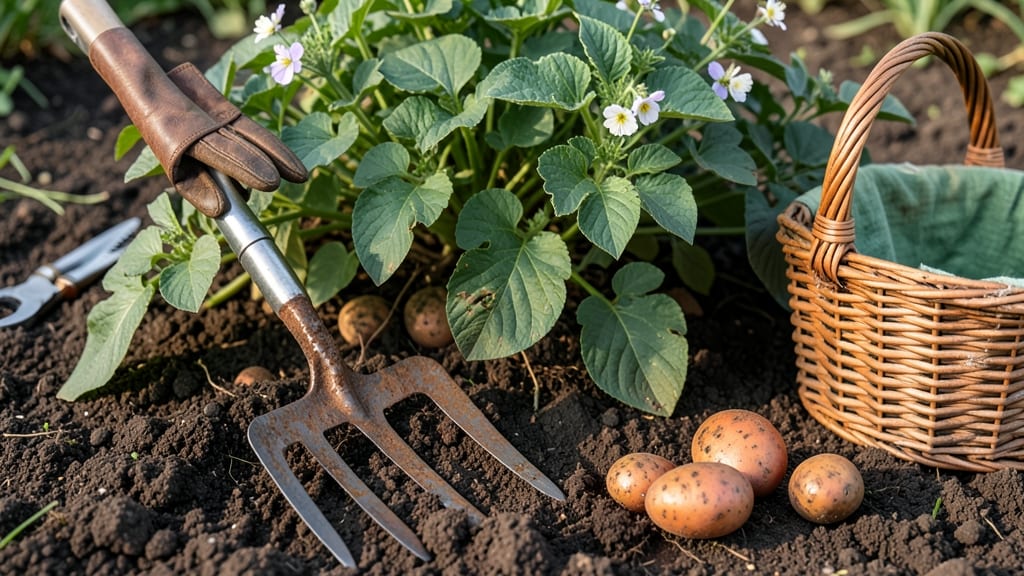
Harvesting russet potatoes at the right time ensures you get the perfect balance of flavor and texture—too early, and they’re small and mealy; too late, and they turn tough and woody.
You’ve nurtured your 🥔 plants all season, and now the question is: How do you know when they’re ready? The answer lies in a few simple but critical cues, from skin color to the famous finger-press test.
In this guide, I’ll walk you through the exact signs to watch for—like when the foliage yellows and the tubers resist a gentle squeeze—and how to adjust for your climate zone.
By the end, you’ll never second-guess your harvest timing again, and your spuds will be restaurant-quality every time.

How to use the finger-press test for perfect russet potato harvest timing
Harvesting russet potatoes at the right time ensures you get flavorful, creamy-textured tubers instead of woody, starchy disappointments. The finger-press test is my go-to method for determining maturity—it’s simple, accurate, and works for both new potatoes and storage varieties.
Start testing about 90 days after planting (or when your plants reach 12-18 inches tall), as russets typically need 70-120 days to mature.
The finger-press test checks tuber firmness without digging up your entire crop. Press your fingertip into the soil near the plant’s base—if the skin resists pressure but doesn’t feel rock-hard, your potatoes are ready.
This method works best in loose, well-draining soil (like sandy loam), where you can easily feel the tubers beneath the surface.
Here’s how to perform the test correctly to avoid over-maturity or under-sized potatoes:
The finger-press test works best in warm, dry soil (like after a light rain or morning watering). If your soil is too wet or compacted, the test will feel unreliable—wait for a dry, sunny day to check.
For new potatoes (smaller, tender varieties), you can harvest as soon as they pass the test, but storage russets should be left in the ground 1-2 weeks longer to develop thicker skins.
One common mistake is harvesting too early because the tubers feel small or soft. Remember: size isn’t the only indicator—russets need time to develop natural sugars and thicken their skins.
If you harvest too soon, you’ll end up with mealy, watery potatoes that lack flavor. Conversely, waiting too long leads to shriveled, tough skins and reduced yield.
For long-term storage, aim to harvest russets when the foliage is completely dead (about 10-14 days after passing the finger-press test). Cure them in a dark, humid space (60-70°F) for 7-10 days to toughen the skins and prevent spoilage.
If you’re harvesting for immediate use, dig when the tubers feel firm but not hard—this ensures the best texture for roasting, mashing, or baking.
Pro tip: Mark your planting date and track the days to maturity. Russets planted in cool climates (like USDA Zone 4-6) may need 10-14 extra days compared to warmer regions. Adjust your finger-press testing schedule accordingly to avoid early or late harvests.
Finally, always handle russets gently after digging—rough treatment bruises the skin, leading to rot and spoilage. Use a fork or hands to loosen soil, then let them air-dry for 1-2 hours before storing.
With the finger-press test, you’ll never guess when to harvest again—just feel, test, and enjoy perfectly timed russet potatoes every season!
Russet potato skin color changes: what to watch for before digging
Russet potatoes develop a distinct skin color progression that signals harvest readiness. Early in growth, their skins appear greenish or pale as they develop beneath the soil. This initial phase lasts until the tubers reach about 1-2 inches in diameter, when their protective skin begins to toughen.
The most critical stage begins when the skin transitions from smooth tan to rough, papery texture. This roughening indicates the cork layer formation, which protects the potato during storage. The skin color deepens from a light tan to a rich, russet brown as maturity progresses.
Regional climate variations affect these timelines. In cooler zones (USDA 3-5), russets may take 10-14 days longer to develop rough skin due to slower growth. Meanwhile, warmer climates (USDA 7-10) can accelerate skin toughening, sometimes by 7-10 days compared to cooler regions.
Watch for weather-induced delays like prolonged cool, wet springs that slow skin development. Conversely, hot, dry summers may cause skins to roughen prematurely. Always combine skin color cues with the finger-press test for accuracy.
Once skins reach their final russet brown and feel thick and leathery, they're ready for harvest. Dig carefully to avoid skin damage, which increases disease risk during storage. Cure harvested russets in a dark, humid space (60-70°F) for 1-2 weeks to toughen skins further.
Pro tip: Late-season russets may develop green patches when exposed to sunlight. These areas contain solanine, a toxin—always harvest before skins turn green. Store only fully mature, rough-skinned russets for long-term preservation.