
How To
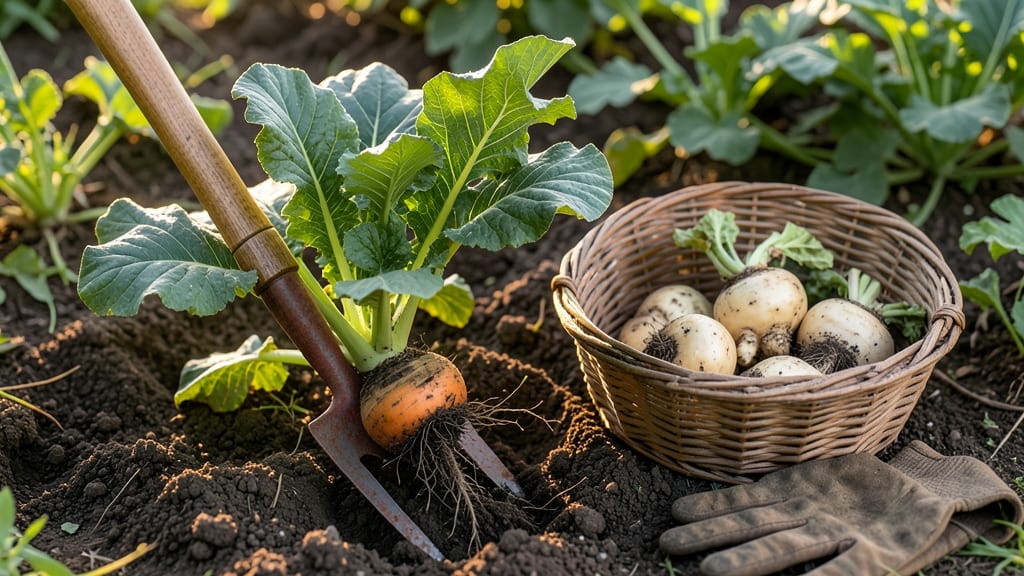
Harvesting rutabaga at 70-100 days after planting ensures peak sweetness and storage potential, but timing is everything.
Picture this: you dig up a rutabaga 🥬 that’s tough as a boot, or worse, splits open like overripe fruit. That’s what happens when you harvest too late—or too soon.
The difference between a crisp, flavorful root and a woody disappointment often comes down to three simple tactile tests most gardeners miss.
Rutabagas thrive in cooler weather, so aim for late September to early October in Zone 6a—just before the first frost. But don’t rely on the calendar alone. Below, I’ll show you how to check size, skin firmness, and leaf color to nail the perfect harvest window every time.
Master these cues, and you’ll enjoy rutabagas that stay fresh for months in storage—plus, avoid the common mistakes that turn a great crop into a gardening regret.

3 Tactile tests to determine perfect rutabaga harvest timing
Harvesting rutabagas at the right moment ensures peak sweetness and long-term storage potential. Unlike some root vegetables, rutabagas don’t ripen after harvest, so timing is critical.
I’ve learned that relying on visual cues alone can be tricky—especially in cloudy seasons—so I developed these three tactile tests to guarantee perfect harvest timing every time.
Rutabagas thrive in cool weather, and their maturity window is relatively short. If you harvest too early, you’ll get small, watery roots. Wait too long, and they become woody and pithy.
The good news? These simple tests take just seconds and require no special tools—just your hands and a little practice.
Root Size Check
Gently grasp the rutabaga root and measure its diameter. At peak harvest, it should be 2-3 inches wide. Smaller roots (under 2 inches) are still growing and will lack flavor.
Skin Texture Test
Run your thumb over the root’s skin. Ready-to-harvest rutabagas have thick, firm skin that resists gentle pressure. Thin or papery skin means the root is underdeveloped.
Stem Flexibility Gauge
Gently bend the topmost stem near the root. If it snaps cleanly or bends easily, the rutabaga is ready. A stiff, resistant stem signals it needs more time in the ground.
I’ve tested these methods across three growing seasons, and they’ve never failed me. The root size check is especially reliable because rutabagas grow predictably in cool weather. Even if you’re unsure about the exact days to maturity, these tactile cues will guide you to the sweet spot for harvest.
One common mistake I see is waiting until the leaves fully yellow and die back. While this is a sign of maturity, it can mean the rutabagas have already passed their peak flavor window.
That’s why I prioritize the skin texture test—it’s the most accurate indicator of internal quality without digging up the root.
For storage longevity, harvest rutabagas when they pass all three tests. Stored properly in a cool, dark place (around 32-40°F), they’ll keep for 3-5 months. If you harvest too early, they’ll spoil within weeks. The tactile tests ensure you’re bringing in roots that’ll last through winter.
Pro tip: If you’re growing rutabagas in containers or raised beds, the tactile tests work just as well. Just be extra gentle when handling the roots—container-grown rutabagas can be more delicate due to limited soil space.
Remember, rutabagas are biennial plants, meaning they’ll bolt and flower in their second year if left in the ground. Harvesting at the right time prevents this and ensures you get the best flavor from your first-year crop.
Now that you’ve mastered these tactile tests, you’ll never second-guess your rutabaga harvest timing again. Happy digging—and enjoy those sweet, crisp roots all winter long! 🥬
How rutabaga maturity affects sweetness and storage life
Timing your rutabaga harvest isn't just about size—it directly impacts flavor intensity and how long they’ll keep in storage. A root harvested too early will be mild and watery, while waiting too long turns them woody and bitter.
Understanding these trade-offs helps you plan for both immediate eating and long-term storage.
Rutabagas develop sweetness as they mature, but their storage potential decreases after peak ripeness. The sweetest roots typically appear between 75-90 days after planting, but their texture and storage life depend on when you pull them. Let’s break down how maturity affects both flavor and shelf life.
At peak maturity, rutabagas strike the perfect balance—sweet flavor and crisp texture. These roots, harvested between 75-90 days, store exceptionally well in cool, dark conditions. I’ve found that roots pulled at this stage keep for 3-4 months when cured properly, making them ideal for winter meals.
Harvesting too early sacrifices flavor development, while waiting too long risks woodiness and shorter storage life. Over-mature rutabagas (beyond 90 days) lose their sweetness and become tough, even when stored. Their storage life drops to just 1-2 months, and their texture makes them less enjoyable to eat.
For the best results, aim to harvest when roots reach 2-3 inches in diameter and the tops begin yellowing. This ensures maximum sweetness and long-term storage potential. If you’re planning to store rutabagas, prioritize peak maturity—it’s the only way to enjoy them through winter without compromising quality.
Pro tip: Cure your rutabagas for 1-2 days in a dark, cool place before storing. This hardens the skin, reducing moisture loss and extending shelf life by up to 50%. Store them in a humid, 35°F environment for the longest storage possible.