
How To
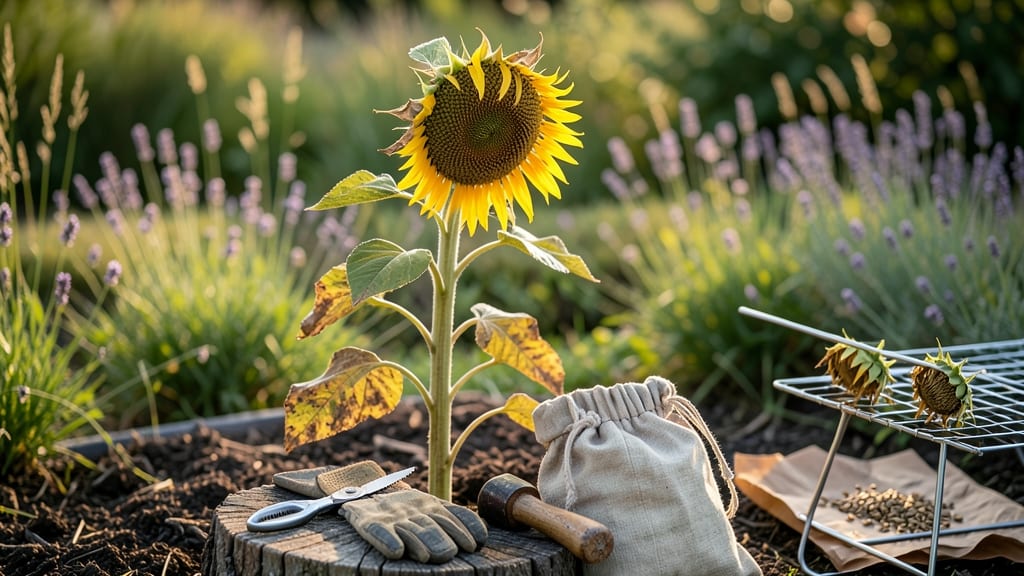
Harvesting sunflower seeds at the right time means the difference between crunchy, nutritious kernels and bitter, wasted effort — and the key is watching for those late-summer signs like a drooping head and a browned back.
Picture this: you’ve nurtured your 🌻 sunflowers all season, only to wonder if those seeds are ready to pick. Too soon, and they’re underripe; too late, and birds or frost get them first.
I’ll show you the back-of-hand test that takes the guesswork out of it — plus the visual cues that confirm when your seeds are primed for harvest.
Regional differences matter too. In USDA Zone 6a, where frost can sneak in by October, timing is everything. You’ll learn how to adjust for your climate, whether you’re growing sunflowers for snacking, birdseed, or even oil — and why some varieties ripen faster than others.
Once you’ve got the perfect seeds, I’ll walk you through drying, storing, and avoiding the three biggest mistakes that turn a great harvest into a moldy mess.
By the end, you’ll know exactly when to reach for that sunflower head — and how to keep those seeds viable for years to come.

How to use the back-of-hand test for perfectly ripe sunflower seeds
Harvesting sunflower seeds at the right time ensures sweet, nutritious kernels whether you're saving them for planting or snacking. The back-of-hand test is my go-to method—it’s tactile, reliable, and works for both edible varieties and birdseed types.
This simple touch-based check eliminates guesswork by revealing seed maturity through texture alone.
Before you grab your pruners, combine the tactile test with visual cues like seed head color and leaf condition. For example, a fully browned backside paired with a crisp seed (when pressed against your hand) means peak ripeness.
Overlooking these signs often leads to bitter, underdeveloped seeds or shriveled, overripe kernels.
When to Harvest Sunflower Seeds: Step-by-Step
- 1 Check petal drop: Harvest only when all petals have fallen off naturally. Forced removal risks seed damage.
- 2 Press a seed: Gently press a seed between your thumb and back of your hand. It should feel firm but slightly crunchy—like a fresh almond.
- 3 Test for hollowness: Tap the seed head—if it sounds hollow, seeds are overripe. Underripe seeds feel soft and mushy when pressed.
- 4 Inspect leaf color: Lower leaves should turn yellow-brown while upper leaves stay green. Wilting upper leaves signal overripeness.
- 5 Verify head color: The back of the seed head must be fully brown (not green or streaked). Dark brown = ready.
For edible varieties like 'Russian Giant' or 'Autumn Beauty', aim for seeds that pass the crunch test and have a slightly sticky sap when cracked open—this indicates optimal sugar content. In contrast, birdseed types (e.g., 'Mammoth' or 'Teddy Bear') can tolerate slightly firmer seeds since they’re less sensitive to bitterness.
Timing matters most in short-season climates (USDA Zones 3–5). If frost threatens before seeds ripen, harvest early and dry them indoors under a fan. In warmer zones (Zones 8–10), monitor for seed weevils—if you spot holes in seeds, harvest immediately to prevent infestation.
Pro tip: Harvest on a dry, sunny morning to reduce moisture in seeds. Cut the head with 2–3 inches of stem attached, then hang upside-down in a well-ventilated spot (like a garage) for 1–2 weeks. This mimics natural drying and preserves seed viability for 1–2 years if stored properly.
Mistakes to avoid include harvesting when seeds are still greenish-brown (they’ll taste bitter) or waiting until the head splits open (seeds scatter and lose viability). Trust the back-of-hand test—it’s the fastest way to confirm ripeness without damaging your crop.
Once you master this method, you’ll never guess again. The next time you see those golden petals drooping, reach for your hand—and your seeds will thank you with perfect flavor and texture.
Sunflower seed varieties: harvest windows and special considerations
Not all sunflowers are created equal when it comes to harvesting seeds. Oilseed varieties like Mammoth Russian mature faster for birdseed, while confectionary types such as Autumn Beauty need extra time to develop sweet, edible kernels.
Your climate zone also plays a critical role—short-season areas may need early-maturing varieties, while long-growing regions can accommodate slower-developing types.
Harvest timing varies dramatically between seed types. Birdseed varieties like Russian Giant are ready when the back turns brown at 90-110 days, while human-consumption types such as Teddy Bear require 120-140 days for full sweetness.
Even within the same variety, short-season zones (USDA 1-5) may need to harvest 2-3 weeks earlier than long-season areas (USDA 8+).
For oilseed varieties, aim to harvest when the seed heads turn tan-brown and the back feels dry and papery. These types prioritize high oil content over sweetness, making them ideal for bird feeders or pressing.
In contrast, confectionary sunflowers should have fully browned seed heads with no green remnants—their kernels should be crunchy and sweet, not bitter.
Climate zones dictate your harvest window more than you might think. In USDA zones 1-5, where frost arrives early, opt for early-maturing varieties like Russian Giant (90 days) and harvest by mid-September to avoid frost damage.
Gardeners in zones 8-10 can extend harvests until November with slower varieties like Autumn Beauty, but watch for humidity-related mold in late-season plants.
Pro tip: Shake test your sunflowers! A mature head should rattle loudly when shaken—this indicates fully developed seeds. If seeds feel soft or hollow, they’re underripe. Overripe seeds may sprout prematurely in storage, so time your harvest carefully based on your variety and local frost dates.
Remember, dwarf varieties like Sunspot mature in just 60-80 days, making them perfect for container gardens or short-season areas. These can be harvested as early as late July in warm climates, giving you a head start on seed collection.
Always prioritize dry, sunny days for harvesting to prevent mold and ensure seed viability.