
How To
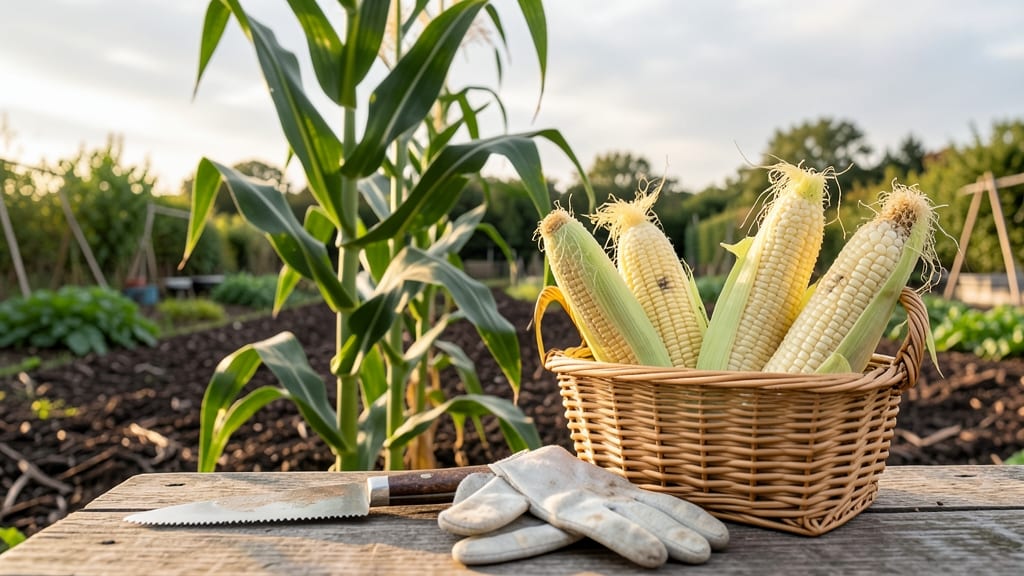
Harvest sweet corn when the silks turn brown and kernels release milky liquid 🌽 — that’s the perfect window for peak flavor and tenderness.
Nothing beats the taste of freshly picked sweet corn—except maybe the disappointment of harvesting too early or too late. Timing is everything, and these simple tests will ensure your corn is at peak sweetness when you pull it from the stalk.
Most varieties reach harvest readiness in 70 days after planting, but heat waves or cool snaps can shift that timeline. I’ll walk you through the silk-dry and milk-line tests, plus how to adjust for your local climate.
By the end, you’ll know exactly when to grab your knife, how to store your harvest, and the three mistakes that turn sweet corn into starchy disappointment.

How to test sweet corn ripeness using the silk-dry & milk-line methods
Harvesting sweet corn at the perfect moment means the difference between buttery, juicy kernels and tough, starchy disappointment. The two most reliable methods to test ripeness are the silk-dry test and the milk-line test.
Both give clear visual cues that your corn is ready to pick, ensuring peak flavor and texture.
I’ve relied on these methods for years in my garden, and they’ve never failed me. The silk-dry test focuses on the tassel silk color, while the milk-line test examines the kernel moisture content. Together, they create a foolproof system for timing your harvest just right.
Check the Silk Color
Gently pull back the husk to inspect the silk strands. When they turn from bright green to brown, this signals pollination is complete and the kernels are filling out.
Test for Dry Silks
Run your thumb along the silks—they should feel dry and brittle, not damp or sticky. If they’re still moist, wait 2-3 more days before testing again.
Perform the Milk-Line Test
Pierce a kernel with your thumbnail. If a milky white liquid oozes out, your corn is ready. If it’s clear or watery, wait another day or two.
Verify Ear Weight
Grasp the ear near the base—it should feel heavy and full. Lightweight ears often mean the kernels haven’t developed properly.
Check the Husk
The husk should pull back easily from the ear, revealing tight, plump kernels. If it resists, the corn may still need time.
Timing is critical because sweet corn loses sweetness quickly once picked. Harvest in the morning when temperatures are cool to preserve flavor. If you miss the window, corn can turn starchy within hours, ruining that fresh-off-the-cob taste.
I’ve learned the hard way that overripe corn becomes tough and mealy, while underripe corn stays watery and bland. The silk-dry and milk-line tests eliminate guesswork, so you can enjoy corn at its sweetest peak every time.
For super-sweet varieties, like ‘Silver Queen’ or ‘Peaches and Cream,’ these tests are even more important because their sugars break down faster. Always prioritize the milk-line test for these types, as they’re more prone to starchy kernels.
Pro tip: If your garden is in a hot climate, corn may mature faster. Monitor the silks closely and test kernels more frequently to avoid missing the harvest window. A little extra attention now means a big reward at dinner time!
Once you’ve mastered these methods, you’ll never second-guess when to harvest again. The confidence of knowing your corn is perfectly ripe is worth the few extra minutes spent checking the silks and kernels.
Common mistakes that ruin sweet corn harvest timing (and how to avoid them)
Even experienced gardeners sometimes misjudge when to harvest sweet corn, leading to ears that are either too starchy or past their prime. The most common mistake? Relying solely on days after planting instead of checking visual maturity cues.
Sweet corn doesn't follow a strict calendar—it responds to temperature shifts, pollination success, and even soil moisture levels.
Another frequent error is ignoring regional temperature variations. A 70-day variety in Arizona might be ready weeks earlier than the same variety in Minnesota due to longer growing seasons. Even within your own garden, microclimates can create 5-7 day differences in maturity between sunniest and shadiest spots.
🌽
⚠️ Critical Harvest Timing Warning
Don't harvest based on kernel size alone—big ears aren't always sweet! The milk-line test (piercing a kernel) is more reliable than guessing by ear appearance. Temperature drops below 60°F after pollination can stall sweetness development, making kernels taste starchy even when silks turn brown.
Many gardeners also overlook environmental stress signs that delay maturity. Drought stress during tasseling can reduce kernel fill, while excessive nitrogen promotes leafy growth at the expense of ear development. Even uneven watering causes some ears to mature faster than others in the same plant.
To correct these mistakes, I recommend harvesting in the morning when sugars are highest, and always checking three ears per plant for consistency. If the husk pulls back easily and kernels are plump with milky liquid when pierced, that's your cue—don't wait for "perfect" size.
Remember, super-sweet varieties like 'Silver Queen' convert sugars to starch faster than standard types.
One final pitfall is harvesting all ears at once. Sweet corn doesn't ripen uniformly—check plants every 2-3 days during peak season. In my garden, I mark harvest-ready plants with colored flags to avoid missing the window.
This simple system has saved me from throwing away overripe ears that became tough and mealy within 24 hours.
🌱