
How To
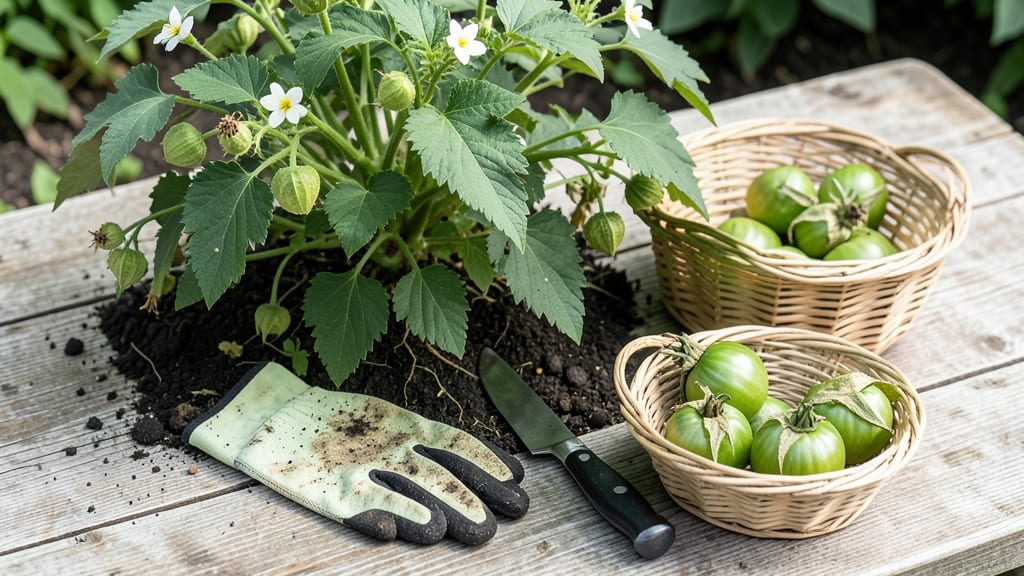
Harvesting tomatillos at the right time turns your garden into a flavor factory—when those husks turn light brown and the fruit inside shifts from pale green to golden, you’ve got the perfect tart punch for salsa or stews.
But here’s the catch: miss that window by even a week, and you’re left with mealy, bland fruit that ruins your dish. I’ve seen gardeners pull them too early—still hard and underripe—and others wait too long, ending up with shriveled husks and overripe, mushy tomatillos.
In this guide, you’ll learn the exact visual cues to watch for—color shifts, size benchmarks, and even how to gently twist them off the stem without damaging the plant. We’ll also cover how temperature and your local climate can speed up or slow down ripening, so you’re never left guessing.
By the end, you’ll know not just when to harvest, but also how to store them for freshness or use them immediately in your favorite recipes. No more wasted harvests—just crisp, tangy tomatillos ready to elevate your cooking.

How to identify the perfect tomatillo harvest time by color and size
Harvesting tomatillos at the right moment transforms your garden bounty into a tangy, vibrant ingredient perfect for salsas and sauces. The key lies in observing three critical visual cues: color, size, and husk condition.
These clues work together to signal when your tomatillos are ready to pick, ensuring maximum flavor and texture.
When I first grew tomatillos, I made the mistake of harvesting too early—my salsa tasted bland and lacked that signature tartness. Learning to read these visual cues changed everything. The color shift from green to pale yellow is the most noticeable sign, but size and husk changes are equally important.
Here’s the game-changer: a summary table breaking down the exact visual benchmarks you need to watch for. This will help you avoid the common pitfalls of overripe or underripe tomatillos.
The ideal harvest window occurs when tomatillos reach a pale yellow-green hue, typically between 1.5 and 2.5 inches in diameter. This size ensures they’re fully developed but haven’t started to dry out.
I always check for a papery, light brown husk—this tells me the fruit inside is at peak ripeness.
Size matters just as much as color. A tomatillo smaller than 1 inch is usually too immature, while those larger than 2.5 inches risk becoming mealy or overly soft. In my garden, I use a small ruler to measure a few samples—this consistency keeps my harvests reliable every season.
Don’t overlook the husk’s texture. When it’s ready, the husk should feel dry and easily peel away from the fruit. If it’s still green and tight, your tomatillos need more time. I test this by gently tugging on the husk—if it resists, I know they’re not ready yet.
Another pro tip: twist the stem gently. At the perfect harvest time, the stem should snap off cleanly, leaving a small bump on the fruit. This method works best in the morning when the plant is hydrated, making the fruit firmer and easier to assess.
Climate plays a role too. In hotter regions, tomatillos may ripen faster, so I check them every 3–4 days. In cooler climates, the process slows down, and I extend my checks to 5–7 days. Adjusting my schedule based on weather keeps my harvests on track.
Once you’ve confirmed all three cues—color, size, and husk condition—it’s time to harvest. Use clean shears or your fingers to avoid damaging the plant.
I always pick on a dry morning to prevent spreading disease, and I store them in the fridge for up to 2 weeks to preserve freshness.
Mastering these visual cues will turn your tomatillo harvests from guesswork into a reliable, flavor-packed success. The next time you’re in your garden, grab a few samples and compare them to this guide—your taste buds will thank you! 🌱
Tomatillo ripeness stages: what happens if you harvest too early or late?
Harvesting tomatillos at the wrong stage can turn your tart, tangy harvest into a bland, mealy disappointment. The ideal ripeness window is narrow—just a few days can mean the difference between peak flavor and compromised texture.
Understanding the consequences helps you avoid common mistakes and maximize your salsa-making potential.
When you harvest too early, the fruit remains hard and underdeveloped, lacking the bright citrusy notes that define ripe tomatillos. The husk stays green and tight, and the fruit inside is pale and firm, often tasting bitter or astringent.
This is especially common in cooler climates where ripening slows down.
On the flip side, overripe tomatillos develop a soft, mushy texture and dull flavor. The husks turn brown and papery, but the fruit inside may shrink slightly and lose its snap. In hotter regions, this happens faster—sometimes within just 2-3 days past peak ripeness.
Harvesting Warning: The Ripeness Tipping Point
Tomatillos are most flavorful when the husk is light brown and papery but not yet cracked open. Harvesting even 1-2 days late can reduce tartness by 30-50%, while harvesting too early means hard, seedy fruit that lacks depth.
In hot climates (Zones 8-10), ripening speeds up—monitor daily. In cooler zones (6-7), give them extra time (up to 10 days longer) before picking.
Climate plays a huge role in ripening speed. In hot, dry regions, tomatillos may ripen in as little as 60 days, while in cooler, humid areas, they can take up to 90 days.
The temperature swing between day and night also matters—consistent warmth accelerates ripening, while cool nights slow it down.
If you harvest too early, the fruit won’t soften properly, making it difficult to blend for salsa. The seeds remain hard, and the flavor profile is unbalanced, often tasting more like a raw green tomato than a tangy tomatillo.
This is a common mistake for first-time growers who focus only on size.
Overripe tomatillos, meanwhile, shrink slightly and develop a grainy texture. Their tartness fades, replaced by a mild, almost sweet undertone. While they’re still edible, they’re best used in cooked dishes rather than fresh salsas.
In extreme cases, overripe fruit can even split open, inviting pests and spoilage.
To avoid these pitfalls, check your tomatillos every 2-3 days during peak ripening season. Gently twist the fruit—if it snaps cleanly with the husk light brown and dry, it’s ready.
Store harvested tomatillos in the fridge for up to 2 weeks to preserve flavor and texture until you’re ready to use them.