
How To
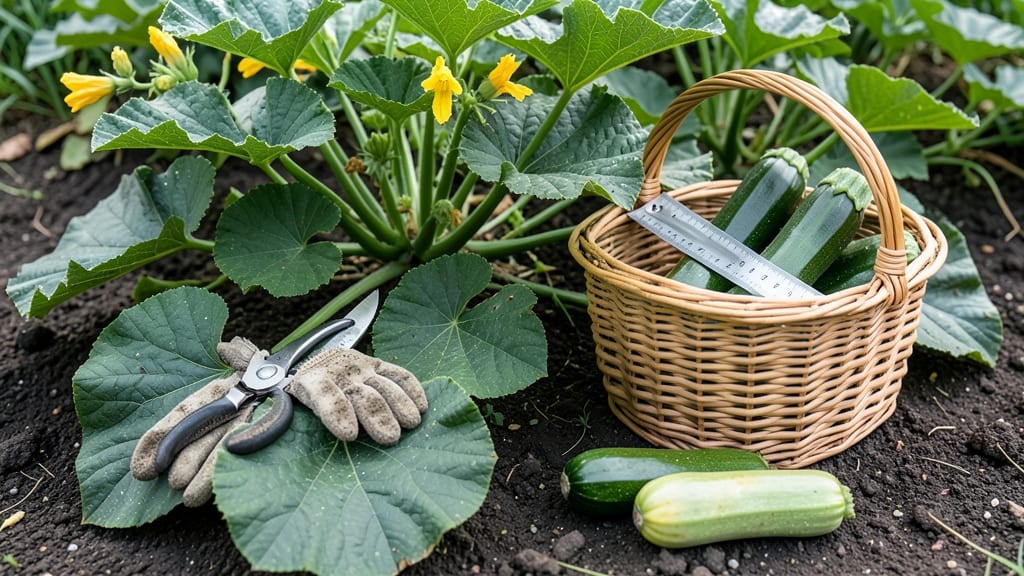
Harvest zucchini when they’re 6–8 inches long and the skin yields slightly to gentle pressure—this is the sweet spot for peak flavor and texture before the seeds turn bitter.
Picture this: you’re in the garden on a July afternoon, and your 🎃 zucchini are growing faster than you can keep up. One day you slice into a perfect, seed-free squash, and the next? A seedy, rubbery mess. The difference isn’t luck—it’s timing.
Too early, and the zucchini will be tough and bland. Too late, and you’ll end up with oversized, fibrous squash that’s more suitable for bread than stir-fry. Below, I’ll walk you through three tactile tests to nail the harvest window every time.
From checking skin firmness to spotting the ideal stem snap, these tricks ensure you’re always picking zucchini at their prime—so you can enjoy that garden-fresh taste all season long.

3 Tactile tests to determine perfect zucchini harvest time
Harvesting zucchini at the ideal moment transforms a homegrown bounty into a culinary treasure. Unlike many vegetables, zucchini doesn’t ripen further after picking, so timing is everything.
The key lies in three simple tactile tests—skin firmness, seed development, and stem tenderness—that reveal when your zucchini is ready to transform from garden curiosity to kitchen star.
Many gardeners rely solely on size or color, but these cues can be misleading. A zucchini might look perfect on the outside while being seedy and tough inside. By mastering these hands-on techniques, you’ll consistently harvest zucchini that’s tender, flavorful, and seed-free—no guesswork required.
🌱 3 Tactile Tests for Perfect Zucchini
- 1. Skin Firmness Test: Gently press the zucchini’s skin with your thumb. It should yield slightly—like pressing a ripe avocado—but not feel mushy or hard.
- 2. Seed Size Check: Slice the blossom end (where the stem was attached) and inspect the seeds. Tiny, pale seeds mean it’s ready; large, dark seeds signal overripeness.
- 3. Stem Tenderness Test: Grasp the stem near the fruit and bend it gently. If it snaps cleanly, the zucchini is at peak ripeness. A tough stem means it needs more time.
✅ Pro Tip: Combine these tests with visual cues—6-8 inches long and deep green color—for foolproof results.
Start with the skin firmness test—this is your first line of defense against rubbery zucchini. A firm but slightly yielding skin indicates the cell structure is perfect for cooking.
I like to compare it to pressing a ripe peach: just enough give to know it’s ready, but not so soft it’s overripe.
Next, move to the seed size check, which is often overlooked but critical. Large seeds mean the zucchini has been on the vine too long, developing a bitter, starchy flavor.
When I first started gardening, I’d harvest based on size alone and end up with zucchini that tasted like wooden pasta**. The seed test changed everything.
The stem tenderness test is my favorite because it’s so immediate. A clean snap at the stem means the zucchini’s nutrients are fully allocated to the fruit, not the vine.
This test also helps you avoid missing zucchini that’s ready to harvest—just because it’s not the largest on the plant doesn’t mean it’s not the best.
For visual confirmation, look for a zucchini that’s 6-8 inches long with a smooth, glossy skin. The color should be deep green without yellowing or dull patches. I’ve found that morning harvests often yield the freshest zucchini because the plant’s moisture levels are highest after a night’s rest.
If you’re growing heirloom varieties, like 'Black Beauty' or 'Costata Romanesco,' these tactile tests become even more important. Some heirlooms develop unique textures or flavors when harvested at different stages. For example, 'Costata Romanesco' zucchini is at its peak when the ridges are fully formed but still tender.
One common mistake is waiting until zucchini reach monstrous sizes—like the 20-pound behemoths you see at farmers' markets. While these can be used (they’re great for bread or frying), they’re far less flavorful than their smaller counterparts.
I’ve learned to harvest smaller, more frequently to encourage the plant to produce more tender fruits.
For container gardeners, these tactile tests are especially valuable because space is limited. You can’t afford to let zucchini overgrow—every inch counts. By using these methods, you’ll maximize your yield while keeping your plants healthy and productive throughout the season.
Remember, zucchini are self-pollinating, so they’ll keep producing as long as you harvest them regularly. The more you pick, the more your plant will focus on creating new flowers and fruits. It’s like giving your zucchini plant a never-ending buffet invitation—the more you take, the more it gives!
How often should you harvest zucchini for continuous production?
Harvesting zucchini at the right frequency keeps your plants productive and healthy. If you wait too long, your zucchini plants will focus energy on seed development instead of producing more fruit. Aim for 2-3 harvests per week during peak production months to encourage continuous growth.
Consistent harvesting also prevents overgrowth, which can lead to yellowing leaves or blossom end rot. When you remove ripe zucchini regularly, the plant redirects its energy to produce new flowers and fruit, giving you a steady harvest throughout the season.
Timing matters too—early morning is ideal because the fruit is cool and crisp. Use a sharp knife or pruners to cut the zucchini from the vine, leaving a small stem attached to prevent rot.
⚠️ Warning: Overripe Zucchini Signals
Watch for these signs of overgrowth or neglect:
- Hard, seedy fruit (too late to salvage)
- Yellowing leaves (nutrient depletion)
- Stunted new growth (plant exhausted)
Action: Prune overgrown vines and fertilize lightly to revive the plant.
Pruning isn’t just for aesthetics—it’s a tool to manage your zucchini plant’s energy. Remove yellow or diseased leaves immediately to improve airflow and reduce pests. If your plant is overloaded with fruit, trim back some of the smaller zucchini to help the remaining ones grow larger and healthier.
In late summer, as temperatures rise, your zucchini plant may slow down. Reduce harvesting frequency to once per week and focus on watering deeply to keep the soil moist. This helps the plant prepare for the end of its growing season while still producing a few final harvests.
By following this harvesting schedule, you’ll enjoy continuous production all season long. The key is balance—don’t over-harvest (stressing the plant) or under-harvest (wasting potential yield). With the right approach, you’ll have fresh zucchini from July through September!