
How To
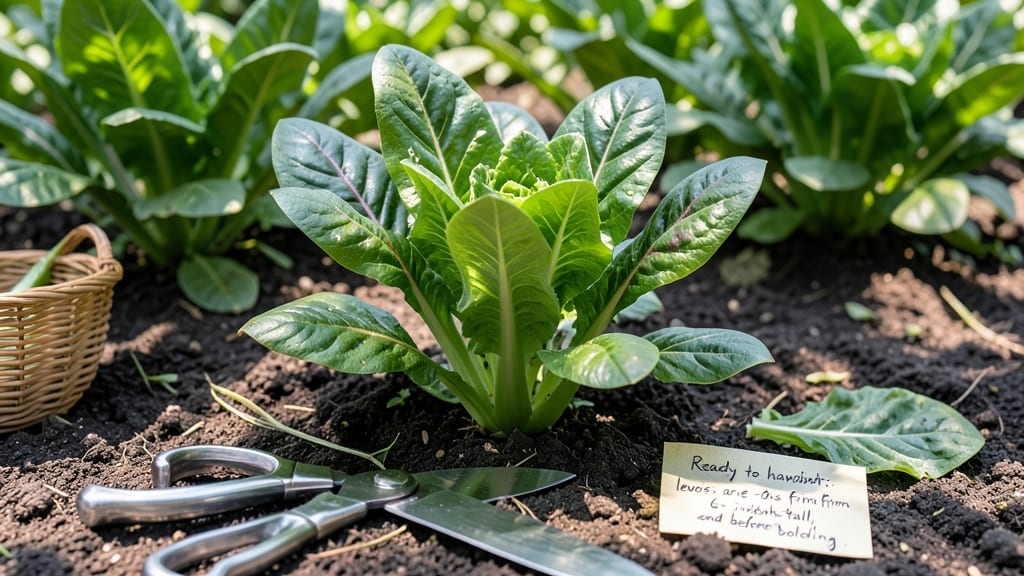
To pick romaine lettuce at its crispest, aim for 45 days after planting when leaves reach 6–8 inches and stand tall 🥬—any later, and bitterness creeps in.
Picture this: you’ve nurtured your romaine for weeks, only to watch it bolt or turn tough before you even get to taste it. That’s the frustration of timing it wrong, and it’s avoidable with a few simple checks.
Romaine thrives in cool weather, so spring and fall harvests deliver the sweetest flavor. But even the best conditions require you to watch for deep green leaves and firm stems—the telltale signs it’s ready to go from garden to plate.
In this guide, I’ll walk you through the exact crispness test, how to adjust for your climate, and even how to salvage lettuce that’s past its prime. No more guesswork—just perfect, restaurant-quality romaine every time.

How to test romaine lettuce crispness before harvesting
Romaine lettuce thrives when harvested at the perfect moment—crisp leaves packed with flavor. The key lies in testing leaf texture, stem firmness, and visual cues before cutting. Overlooking these signs often leads to bitter, tough lettuce or wasted effort from premature harvesting.
I’ve learned the hard way that patience pays off, but so does knowing exactly when to act.
Start by examining the outer leaves first, as they mature slightly earlier than the inner ones. Look for deep green color without yellowing or browning, which signals maturity.
A 6-8 inch leaf length is ideal, but never judge solely by size—some varieties like Little Gem stay compact while still being ready. The stem’s tenderness is your secret weapon for nailing the harvest window.
Here’s how to test romaine lettuce crispness with precision:
Measure the longest outer leaves. They should be 6-8 inches long and fully elongated. Use a ruler for accuracy—this is your baseline for maturity.
Gently squeeze a leaf between your fingers. Crisp romaine should feel firm yet slightly yielding, like a fresh carrot. If it feels rubbery or limp, it’s overripe.
Press the base of the stem near the soil. It should be slightly tender but not mushy. A hard, woody stem means it’s underdeveloped; a soft, hollow stem means it’s past its prime.
Inspect the entire leaf surface for uniform deep green. Yellowing edges or brown spots indicate stress (heat, drought, or age). A few pale spots on younger leaves are normal, but widespread discoloration means it’s time to harvest.
Check the center of the plant for tall, flowering stems. If you see yellow flower buds or elongated stalks, your romaine has bolted—harvest immediately to salvage crisp leaves before bitterness sets in.
Always harvest in the early morning after dew has dried but before the sun intensifies. This ensures maximum crispness and prevents wilting. Use clean, sharp scissors to cut stems at the base.
One common mistake I see is harvesting based on calendar days rather than visual cues. Romaine lettuce matures in 30-60 days, but environmental factors like temperature and sunlight can shift this window.
For example, hot summers accelerate bolting, while cool springs slow growth. Always prioritize the crispness test over rigid timelines.
Pro tip: If your romaine is ready to harvest but you don’t need all of it, snip the outer leaves first. This encourages the inner leaves to mature while extending your harvest window.
Just avoid removing more than one-third of the plant at once to prevent stress. Over-harvesting can lead to stunted regrowth or even death in extreme cases.
For container-grown romaine, the same rules apply, but monitor moisture levels closely. Pots dry out faster, and underwatering causes bitterness. If your lettuce feels soggy or mushy, it’s been overwatered—reduce frequency and improve drainage. The goal is consistent moisture, not saturation.
Finally, store harvested romaine in the crisper drawer of your fridge wrapped in a damp paper towel to retain moisture. Rinse leaves only before eating, as excess water in storage accelerates spoilage. With these crispness tests, you’ll enjoy buttery, sweet romaine straight from your garden for weeks.
Ideal harvest window for romaine lettuce by variety and season
Romaine lettuce varieties mature at different rates, and seasonal daylight changes dramatically affect harvest timing. In spring, cooler temperatures and increasing daylight (14+ hours) accelerate growth, while fall harvests benefit from shorter days and milder weather. Understanding these patterns helps you avoid bitter, bolted lettuce and maximize crispness.
Each romaine variety has its own ideal harvest window, typically between 30-60 days after sowing. For example, Little Gem matures faster (around 45 days) than Paris Island (closer to 55 days).
Daylight length plays a critical role—longer summer days can push lettuce to bolt prematurely, while fall’s shorter days slow growth just enough for perfect timing.
Here’s a quick reference for harvest windows by variety and season, including how to adjust for your climate:
For spring harvests, aim to sow seeds 4-6 weeks before your last frost date (typically late March in Zone 6a). This ensures lettuce matures by late May when temperatures are still mild.
In fall, plant seeds in late summer (around August) to harvest before the first frost—typically by mid-October in most regions.
Daylight hours directly impact harvest timing. In summer, long days (14+ hours) can trigger bolting, so use shade cloth (30-50%) to reduce light exposure by 20-30%. In fall, shorter days naturally slow growth, giving you a longer harvest window.
Always check for deep green leaves and upright stems—these are your best indicators of readiness.
Pro tip: Harvest outer leaves first to encourage regrowth. This method works for all romaine varieties and extends your harvest by 2-3 weeks if done correctly. Just be sure to leave the inner leaves intact to keep the plant producing.
🌱