
How To
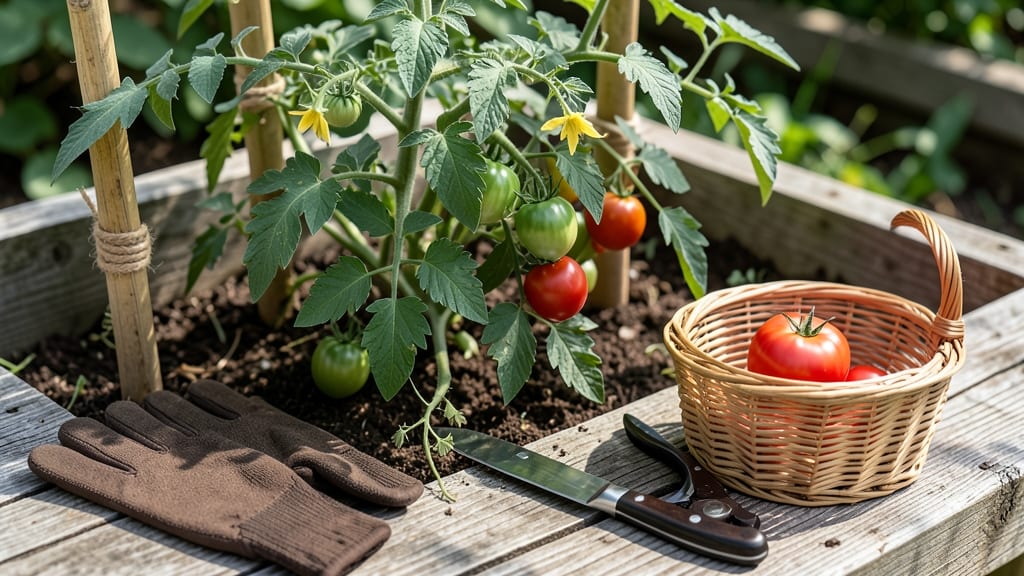
Picking tomatoes for fried green tomatoes at the right stage turns a simple recipe into a crisp, tangy masterpiece — and the secret lies in knowing when to harvest for that perfect balance of firmness and flavor.
Fried green tomatoes are a Southern classic, but timing your harvest wrong means tough, underripe fruit instead of tender, flavorful slices. Mastering the stem flex test and seed test will ensure you pick tomatoes at the perfect stage for frying—when they’re crisp, tangy, and packed with flavor.
Most gardeners wait until tomatoes are fully red, but for fried green tomatoes, you want them firm and 1-3 inches in diameter, with just a hint of color change from bright green to yellow or pink. This stage ensures the right texture for frying while keeping that bright, tangy taste.
In this guide, I’ll walk you through the exact methods to test your tomatoes—including the stem flex trick and seed color clues—so you never end up with fruit that’s too hard or too soft.
Plus, I’ll cover regional timing tips for late summer/early fall harvests and how to store unripe tomatoes if you can’t fry them right away.


How to use the stem flex test for perfect fried green tomato picking
Fried green tomatoes need to be picked at the peak of their crispness and just before they start softening. The stem flex test is my go-to method for determining if a tomato is ready for frying.
This simple trick helps you avoid the mealy texture of overripe green tomatoes or the bitter bite of underripe ones. When done right, you’ll get slices that are tender yet firm, with just the right balance of tangy flavor.
Start by selecting tomatoes that are 1 to 3 inches in diameter. These are the ideal sizes for fried green tomatoes, offering a perfect mix of crispness and flavor development.
Smaller tomatoes are often too hard and underdeveloped, while larger ones may start to soften, losing their ideal texture. The stem flex test is your secret weapon to nail this window of perfection every time.
How to Perform the Stem Flex Test
- Step 1: Gently grasp the tomato by its stem end.
- Step 2: Apply slight pressure to bend the stem 10-15 degrees away from the fruit.
- Step 3: Watch how the stem reacts—flexes slightly but doesn’t snap or stay rigid.
- Step 4: If the stem bends easily but doesn’t break, the tomato is perfect for frying.
- Step 5: If the stem snaps immediately, the tomato is overripe and past its prime.
- Step 6: If the stem doesn’t bend at all, the tomato is still too hard and needs more time.
The reason the stem flex test works so well is that it correlates directly with the tomato’s internal texture and flavor.
When the stem bends slightly, it means the tomato’s cell structure is just right—firm enough to hold its shape during frying but soft enough to develop flavor. This stage is often called the "early breaker" phase, where the tomato is still green but beginning to transition toward ripeness.
The crispness you crave in fried green tomatoes comes from this precise moment.
Another key visual cue to look for is the skin’s slight give when you gently press your thumb into the tomato. It should feel slightly yielding but not mushy.
Think of it like pressing your thumb into a ripe avocado—just enough to leave a slight indentation, but not so much that it squishes. This pressure test works hand-in-hand with the stem flex test to confirm you’ve got the perfect tomato.
Timing your harvest is also crucial because environmental factors can affect the test’s accuracy. For example, if your tomatoes are growing in hot, dry conditions, they may mature faster and require earlier picking. Conversely, in cooler or cloudy weather, tomatoes take longer to reach the ideal stage.
Always perform the stem flex test in the morning when the tomatoes are cool and hydrated for the most accurate results.
One common mistake I see is picking tomatoes based solely on size or color. A tomato might be 2 inches wide but still rock-hard if it hasn’t developed enough internally.
On the other hand, a tomato with a slight yellow blush might feel mushy if it’s been sitting too long on the vine. The stem flex test cuts through these guesses, giving you a clear, objective way to judge ripeness every time.
If you’re harvesting a large batch for frying, I recommend picking every other day during peak season to stay on top of the ideal window.
Store any unripe tomatoes in a cool, dark place (like a pantry) to slow ripening, but don’t let them sit too long—overripe green tomatoes turn mealy and lose their crispness. For best results, fry your green tomatoes within 3-5 days of picking to enjoy their peak texture and flavor.
Pro tip: Pair the stem flex test with the seed test method (which we’ll cover next) for an even more precise harvest. While the stem test focuses on physical texture, the seed test reveals what’s happening internally.
Together, they’ll help you become a fried green tomato picking pro in no time.
With practice, you’ll develop an instinct for when tomatoes are ready, but the stem flex test is your foolproof backup.
Whether you’re growing heirloom varieties like 'Green Zebra' or classic 'Celebrity' tomatoes, this method ensures you’ll always have the perfect slices for frying—crisp on the outside, tangy on the inside. 🌱
The seed test method: why seed color determines flavor for fried green tomatoes
When picking tomatoes for frying, the seed test is your secret weapon. Unlike the stem flex test, this method reveals what’s happening inside the fruit—where flavor truly develops. The color of seeds and surrounding gel changes dramatically as tomatoes mature, offering clues about their tanginess and sweetness balance.
For fried green tomatoes, you want that perfect mix of crisp texture and early sweetness. White seeds indicate the tomato is still too green and tart, while brown seeds signal overripeness and mealiness.
The key lies in the transition phase, where seeds turn slightly brown at the edges—this is when flavor peaks for frying.
To perform the test, slice a tomato open and examine the seeds. The surrounding gel-like substance also changes—from clear to cloudy as sugars develop. For fried green tomatoes, aim for tomatoes where 30-50% of seeds show brown edges. This stage delivers that signature tangy crunch without sacrificing crispness.
Remember, seed color isn’t the only factor—pair this test with the stem flex method for foolproof results. A tomato that passes both tests will give you that perfect fried texture: tender enough to cook through but firm enough to hold its shape.
The seed test ensures you’re not missing out on hidden sweetness that makes fried green tomatoes irresistible.
Pro tip: Store seed-tested tomatoes in a cool, dark place for up to 2 weeks to maintain crispness. Avoid refrigerating until ready to fry—cold temperatures can turn them mealy. The seed test isn’t just about flavor; it’s about predicting texture for that perfect golden-brown crust.
🌱