
Vegetables
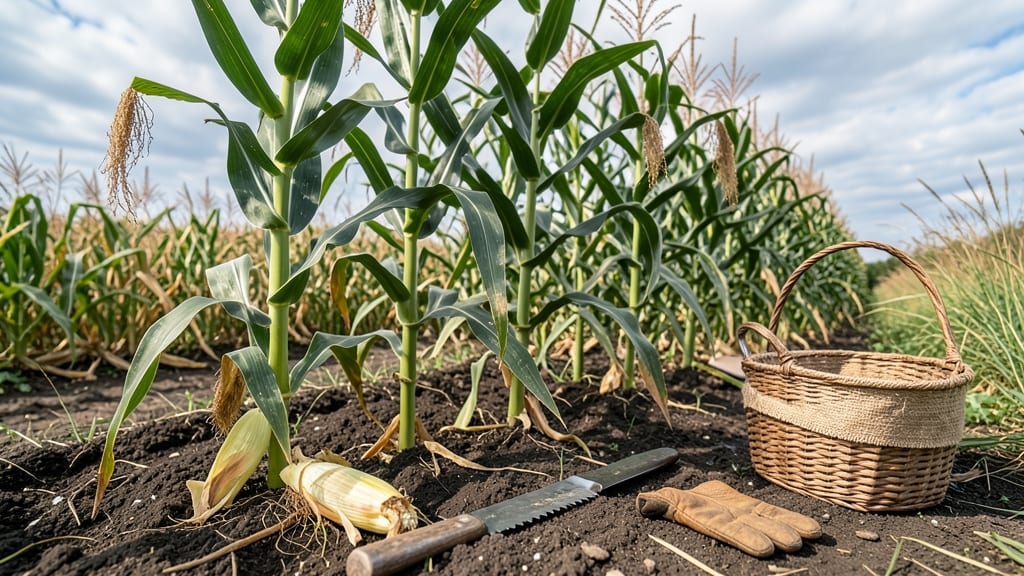
Timing the harvest season for corn at the perfect moment means the difference between buttery-sweet kernels and tough, starchy disappointment—so getting it right is the secret to turning your garden’s 🌽 bounty into a meal-worthy treasure.
Picture this: you’ve waited months for those silks to brown, only to slice into ears that taste like cardboard. That’s the frustration of harvesting too late, and it happens more often than you’d think.
The good news? A few simple cues—like the milk stage or silk color—can help you nail that sweet spot every time.
But here’s the catch: climate, variety, and even your location (whether you’re in Zone 6a or a warmer region) shift that ideal window. Some corn matures in 60 days, while others take closer to 100, and heat waves can rush the process.
Below, I’ll break down the exact signs to watch for, plus how to adjust for late-season success.
Ready to go from guesswork to golden perfection? You’ll learn how to test for ripeness, avoid common mistakes, and even stretch your harvest season—so you can enjoy fresh corn long after your neighbors’ ears have turned woody.

When to harvest sweet corn: ideal timing by variety and climate
Sweet corn reaches its peak sweetness at a very specific moment—when the kernels are plump, juicy, and packed with natural sugars. But this window is short, often just 2-3 days, so knowing your variety and climate is key.
Early-season varieties like 'Silver Queen' mature in 60-70 days, while late-season types such as 'Peaches and Cream' take 90-100 days. Even a few extra days on the stalk can turn sweet kernels into tough, starchy ones.
Daylight hours and temperature play a huge role in corn maturity. In short-day climates (like the Northern U.S.), corn ripens faster due to cooler temperatures and shorter daylight. Meanwhile, in tropical or long-day regions (such as Florida or Southern Europe), corn may take longer to mature because of extended sunlight.
High-altitude gardens also experience delayed ripening—expect 10-15 extra days for every 1,000 feet above sea level.
Here’s how to align your harvest timing with your local conditions and corn variety:
| Variety Type | Days to Maturity | Peak Harvest Window | Climate Adjustments | Best For |
|---|---|---|---|---|
| Early Season (e.g., 'Golden Bantam') | 60-70 days | Late June - Early July (USDA Zones 4-7) | Plant after last frost; harvest before heat stress | Short seasons, containers, early summer |
| Mid-Season (e.g., 'Ambrosia') | 75-85 days | July - Early August (USDA Zones 5-9) | Thrive in warm climates; extend season with shade cloth | Main harvest season, home gardens |
| Late Season (e.g., 'Peaches and Cream') | 90-100 days | August - September (USDA Zones 6-10) | Plant early; use black plastic mulch for warmth | Extended harvests, late summer |
| Super-Sweet (e.g., 'Bodacious') | 70-80 days | July - Mid-August (All zones) | Harvest within 24 hours of peak ripeness | Sweetness preservation, direct eating |
| High-Altitude (e.g., 'Golden Cross Bantam') | 75-90 days (+10-15 days per 1,000 ft) | July - Early September (Mountain regions) | Plant in warm microclimates; use row covers | Cooler climates, shorter growing seasons |
For most gardeners, the milk stage is the gold standard for determining ripeness. This occurs when the kernels release a milky liquid when pierced with your fingernail—a sign of peak sweetness. But don’t rely solely on this method.
Also check the silks: when they turn brown and crispy, it’s another cue that your corn is ready. If the silks are still green or yellow, your corn needs 3-5 more days to mature.
In tropical climates, where temperatures stay consistently warm, corn may mature faster but can also become starchy quicker due to heat stress. To combat this, harvest earlier in the day when temperatures are cooler, and avoid planting during the hottest months.
In Northern climates, focus on early-maturing varieties and use black plastic mulch to warm the soil and extend the growing season.
One common mistake is waiting too long to harvest. Overripe corn develops hard, chalky kernels and loses its sweetness. If your corn is past its prime, you can still salvage it by boiling or grilling it immediately after harvest, but the texture and flavor won’t be as desirable.
To maximize sweetness, aim to harvest within 24 hours of reaching the milk stage.
If you’re growing multiple varieties, keep a harvest journal to track maturity dates. Note the first frost date in your area and plan your plantings accordingly.
For example, in USDA Zone 5, you might plant early varieties in late April and late varieties in early June to stagger your harvest. This ensures a steady supply of fresh corn throughout the summer.
Pro tip: If you notice uneven ripening among your ears, it could be due to inconsistent sunlight or nutrient deficiencies. To fix this, thin your plants to 12 inches apart and ensure they receive full sun (at least 6-8 hours daily).
A balanced fertilizer with 10-10-10 NPK can also help promote even growth.
Finally, don’t forget that altitude affects everything. Corn grown at 5,000 feet or higher may take 2-3 weeks longer to mature than corn grown at sea
How to test and pick corn at its sweetest: pro techniques
Mastering the art of corn harvesting means going beyond guessing when your ears are ready. The difference between perfectly sweet kernels and starchy, tough ones often comes down to three simple—but critical—tests.
I’ve learned through years of gardening that even a one-day delay can turn sweet corn into something barely edible. Let’s break down the pro techniques that’ll have you picking corn at its peak every time.
First, focus on the silk method, which is the most reliable indicator. When the silks—those long, thread-like strands at the top of the ear—turn from bright green to brown, that’s your first sign the corn is nearing maturity.
But don’t harvest immediately! The silks should also dry out and crumble when touched. This usually happens about 2-3 days before the corn is fully ripe, so keep checking daily.
⚠️ callout-warning
Wet weather throws off corn ripening. If rain delays your harvest, wait 2-3 extra days before testing—moisture can make silks stay green longer. Always check kernels first if silks are brown but the weather was rainy.
Next, perform the kernel color check. Pierce a kernel with your fingernail—if it releases a milky white liquid, that’s the milk stage, and you’re in the sweet spot. If it’s clear or watery, the corn is underripe.
If it’s yellow or orange, it’s past its prime and will taste starchy. This test is foolproof for peak sweetness, but it’s best done in the morning when the corn is cool and crisp.
Don’t overlook the squeeze test, which tells you whether the ear is firm and full. Gently squeeze the ear near the tip—it should feel solid and plump, not soft or mushy. If it gives slightly, the corn is overripe.
Uneven ripening is common, especially in large plants, so check multiple ears. The ear closest to the stalk often ripens first, while the top ears may lag behind by a week.
One of the biggest mistakes I see gardeners make is harvesting too early to avoid overripening. But corn doesn’t get sweeter after picking—it loses sweetness quickly. For the best flavor, harvest in the morning after dew has dried and use within 24 hours.
If you must store it, wrap ears in damp paper towels and refrigerate to slow down starch conversion. Even then, eat within 5-7 days for the best taste.
For unevenly ripened ears, prioritize the ones with brown silks and milky kernels. If some ears are still green, mark them with a plant tag and check again in 2-3 days.
And if your harvest season stretches long, consider planting a mix of early, mid, and late varieties to stagger your harvest and ensure you always have fresh ears ready to pick.