
How To
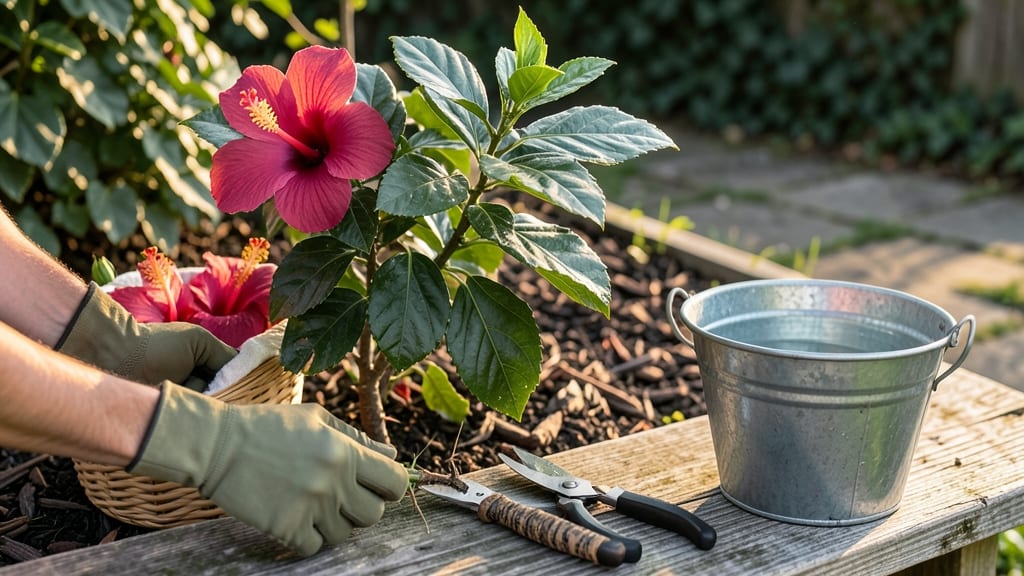
To harvest hibiscus at their peak—when petals are vibrant and flavor is rich—pick them in the morning after dew dries but before the sun peaks 🌸.
Miss this window, and you might end up with flowers that wilt too fast or lose their bright colors. But timing isn’t the only trick: the right cut and storage methods can turn your harvest into tea, jam, or even natural dyes.
Whether you’re growing hibiscus for beauty or culinary use, knowing when and how to harvest makes all the difference.
In this guide, I’ll walk you through the best time to harvest hibiscus flowers, how to tell when they’re ready, and step-by-step methods to preserve them for later use. You’ll also learn how to encourage more blooms so your hibiscus keeps giving all season long.
From drying techniques to storage tips, you’ll discover how to make the most of your harvest—whether you’re saving flowers for a homemade tea blend or crafting projects. Let’s get started!

When and how to harvest hibiscus flowers for maximum flavor
Harvesting hibiscus flowers at the perfect moment ensures maximum flavor and vibrant color, whether you're using them for hibiscus tea or natural dyes. The key lies in understanding the optimal bloom stage—fully open but before petals begin wilting.
This delicate window captures the peak tartness and nutritional benefits that make hibiscus so prized.
Unlike many flowers, hibiscus blooms don't last long once fully open, so timing your harvest is crucial. Overripe flowers lose their crisp texture and develop a bitter taste, while underripe buds won't offer the full flavor profile.
The best time to harvest is typically between 7 AM and 9 AM when morning dew has evaporated but temperatures are still cool, preserving the flowers' integrity.
Your climate plays a significant role in harvesting success. In tropical climates, hibiscus blooms nearly year-round, while temperate zones experience peak blooming from summer to early fall.
Even in warm climates, avoid harvesting during extreme heat or heavy rain, as these conditions accelerate wilting and reduce flavor quality.
Here's a quick reference to help you identify the perfect hibiscus flower for harvesting:
| Harvest Stage | Visual Signs | Best Time to Harvest | Flavor Profile |
|---|---|---|---|
| Optimal Stage | Fully open petals, bright color, crisp texture | Morning (7-9 AM) | Balanced tartness, vibrant color |
| Underripe | Budded or partially open, soft petals | Avoid harvesting | Mild, bland flavor |
| Overripe | Wilting petals, dull color, drooping | Avoid harvesting | Bitter, reduced color intensity |
| Severe Weather | Rain-damaged or heat-stressed blooms | Avoid harvesting | Muted flavor, poor texture |
When harvesting, always use clean, sharp pruning shears to make a clean cut just above a leaf node. This encourages new growth and prevents disease. For edible hibiscus varieties, wear gloves if you have sensitive skin, as some varieties may cause mild irritation.
Always wash freshly harvested flowers thoroughly to remove any pesticide residues or dirt particles before use.
In temperate climates, focus your harvesting efforts during the peak blooming season from July to September. In warmer regions, you can extend harvesting into early winter if frost isn't imminent.
Remember that over-harvesting can stress your plant—never remove more than one-third of the blooms from any single plant at once to maintain its health and encourage continuous flowering.
For hibiscus tea lovers, harvesting in the morning ensures the highest antioxidant levels and vitamin C content. Studies show that morning-picked hibiscus contains up to 30% more beneficial compounds than afternoon-picked flowers.
If you're growing hibiscus for culinary uses, prioritize harvesting the largest, most vibrant blooms first, as these will yield the best flavor and color in your recipes.
Pay attention to your plant's growth patterns—healthy hibiscus plants will produce new blooms daily during peak season. If you notice fewer blooms appearing, your plant may need more sunlight, balanced fertilizer, or regular pruning to encourage vigorous growth.
A well-maintained hibiscus plant can provide a continuous harvest for several months, making it a rewarding addition to any garden.
After harvesting, handle your flowers with care to preserve their quality. Remove any damaged petals immediately and store them in a paper bag in the refrigerator if you plan to use them within 24 hours.
For long-term storage, drying is essential—we'll cover the best drying methods in our next section to ensure your hibiscus retains its color and flavor for months to come.
Remember that proper harvesting techniques not only give you the best product but also promote plant health. By following these guidelines, you'll enjoy a bountiful hibiscus harvest season after season, with flowers that are perfect for tea blends, natural remedies, or garden crafts. 🌸
Step-by-step methods to preserve harvested hibiscus for tea, crafts, OR drying
Once you’ve harvested your hibiscus flowers at peak freshness, preserving them properly ensures you can enjoy their vibrant colors and flavors year-round. Whether you’re drying them for hibiscus tea, crafting natural dyes, or storing them for medicinal use, the method you choose impacts color retention and shelf life.
Humidity and airflow are the two biggest factors in successful preservation. High humidity causes mold, while poor airflow slows drying. Let’s explore three proven methods—air-drying, sun-drying, and dehydrating—each with its own tools and best practices.
How to Harvest Hibiscus for Preservation
- Timing: Pick fully open flowers in the morning (after dew dries) for maximum moisture content.
- Tools: Use clean, sharp pruning shears or scissors to avoid crushing stems.
- Cutting: Snip 2-3 inches of stem to help with handling during drying.
- Avoid: Harvest flowers with pests or diseased spots to prevent contamination.
- Rinse: Gently shake off debris or rinse with distilled water to remove dirt.
- Pat Dry: Use a paper towel to blot excess moisture before preserving.
For air-drying, bundle stems in small groups (5-7 flowers) and hang them upside down in a well-ventilated, shady spot. A pantry or garage with low humidity works best. Flowers typically dry in 7-10 days, turning crisp and papery. Remove petals once fully dry for tea or crafts.
Sun-drying is fastest but requires careful monitoring. Lay flowers on a wire mesh screen or clean mesh bag in direct sunlight, turning them every 2-3 hours to prevent uneven drying. Complete drying takes 3-5 days, but avoid leaving them overnight to deter pests. Store in a dark, airtight container once dry.
If you prefer dehydrating, use a food dehydrator set to 95°F (35°C). Arrange flowers in a single layer, ensuring they don’t overlap. Check after 4-6 hours—they’re ready when petals crumble easily. For a homemade dehydrator, use a low oven (170°F/77°C) with the door slightly open.
Store preserved hibiscus in glass jars with silicone desiccant packs to absorb moisture. Keep jars in a cool, dark place (like a pantry) for up to 12 months. Label with the harvest date to track freshness. For crafts, store petals separately in envelope bags to maintain flexibility.
Watch for mold or discoloration, which means humidity got the best of your batch. If this happens, try a dehumidifier or switch to air-drying indoors next time. With the right method, your hibiscus will stay vibrant and ready for your next project! 🌸