
How To
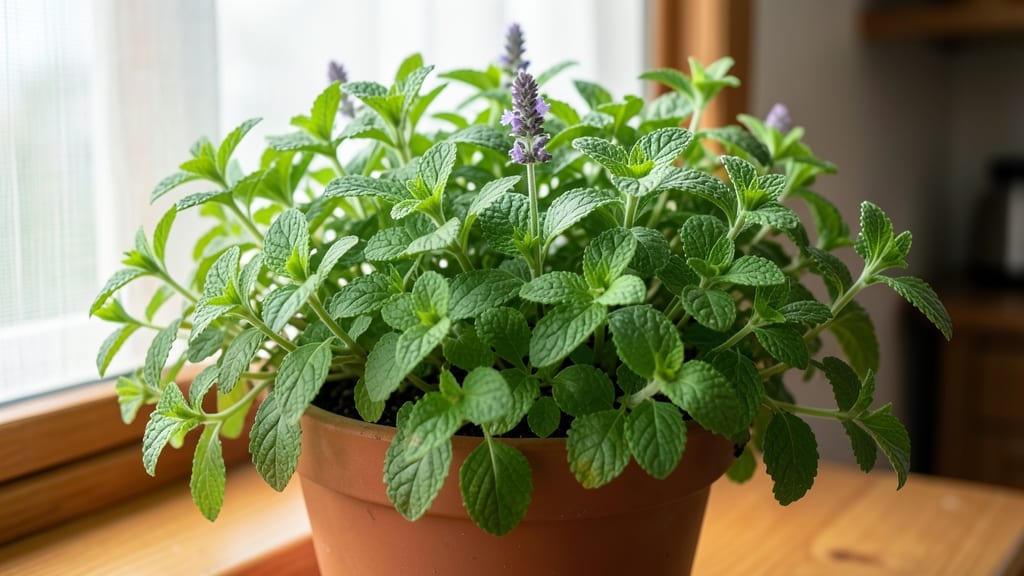
How to harvest mint without killing the plant keeps your 🌿 mint thriving instead of turning it into a sad, bare stem.
Struggling to keep your mint alive after harvesting? You’re not alone—aggressive pruning can stunt growth or even kill your plant. The secret lies in gentle, strategic trimming that encourages lush regrowth while preserving its health.
Most gardeners make the mistake of cutting too much at once or snipping in the wrong spots, which weakens the plant. But with the right techniques, you can harvest fresh mint all season long without harming a single leaf.
In this guide, I’ll walk you through the exact steps to harvest mint without killing it, including the best tools, timing, and signs your plant is happy (or stressed).

Step-by-step guide to harvesting mint without damaging the plant
Harvesting mint correctly is all about balance. If you cut too much at once, your plant may struggle to recover, but proper trimming encourages bushier growth and keeps it thriving. The key is following the ⅓ rule—never remove more than one-third of the plant in a single harvest.
This ensures your mint stays healthy and continues producing fresh leaves for months.
Timing matters too. The best time to harvest is in the morning, after the dew has dried but before the heat of the day. This gives your plant time to recover before facing stress.
Avoid harvesting during extreme heat or cold snaps, as these conditions already stress the plant. By following these simple steps, you’ll keep your mint lush and productive all season long.
How to Harvest Mint Without Killing the Plant
- 1 Choose the right stems: Select stems that are 4-6 inches tall with at least 4-6 leaves. Avoid cutting the smallest stems, as these are still growing.
- 2 Use clean, sharp scissors: Grab a pair of sterilized pruning shears or clean kitchen scissors. Dull blades can crush stems and invite disease.
- 3 Cut just above a leaf node: Make your cut at a 45-degree angle, about ½ inch above a set of leaves. This encourages new growth from that node.
- 4 Follow the ⅓ rule: Never remove more than one-third of the plant in a single harvest. This prevents over-stressing and ensures continuous regrowth.
- 5 Harvest in the morning: Pick leaves in the early morning when they’re hydrated and full of flavor. Avoid harvesting after noon to reduce stress.
- 6 Water and fertilize after harvesting: Give your plant a deep watering and a light fertilizer (5-10-5) to help it recover. This boosts regrowth and keeps it healthy.
Seasonal timing also plays a role in preserving your mint’s health. In spring and summer, when growth is most active, you can harvest every 4-6 weeks.
During fall and winter, reduce harvesting to once every 8-12 weeks as the plant slows down. Over-harvesting in cooler months can weaken the roots and stunt regrowth.
If your mint starts looking leggy or sparse after harvesting, it’s a sign you’ve taken too much. To revive it, trim back any overly long stems to encourage new growth at the base.
Avoid cutting into the woody center, as this can kill the plant. Instead, focus on outer stems to maintain a full, bushy appearance.
For container-grown mint, follow the same rules but be extra cautious. Since roots are confined, over-harvesting can lead to root-bound stress. If your plant is in a pot, consider dividing and propagating it every 1-2 years to keep it healthy.
This also gives you more mint plants for free! Just separate the stems and replant them in fresh soil.
One final tip: Don’t harvest flowers if you want more leaves. Mint flowers signal the end of the leaf-producing cycle, so pinch them off as soon as they appear. This redirects the plant’s energy back into leaf growth, keeping your harvest abundant and flavorful all season.
With these techniques, your mint will stay vigorous and productive for years. Happy harvesting—your kitchen (and garden) will thank you! 🌿✂️💧
Common mistakes that kill your mint plant (and how to avoid them)
Your mint plant might look healthy one day and wilt the next—especially after harvesting. The culprit? Common mistakes like over-harvesting or improper cutting techniques that stress the plant.
Even well-meaning gardeners accidentally stunt growth by removing too many stems at once or using dull tools. Understanding these pitfalls is key to keeping your mint thriving year-round.
One of the biggest red flags is leggy, sparse growth after harvesting. This happens when you trim stems too close to the base or remove more than ⅓ of the plant at a time.
Mint is a fast-growing herb, but it needs time to recover. Ignoring these signs can lead to weak stems, yellowing leaves, or even death if the plant’s energy reserves are depleted.
Another critical error is harvesting in extreme heat or drought conditions. Mint plants already stressed by dry soil or scorching sun can’t bounce back from aggressive pruning.
Always harvest in the morning when temperatures are cooler and the plant is hydrated. This simple habit prevents shock and encourages robust regrowth.
🌿
⚠️ How to Harvest Mint Without Killing the Plant
Never remove more than ⅓ of the plant at once. Use clean, sharp scissors and cut just above a leaf node (the point where leaves grow). Avoid harvesting in heatwaves—wait for cooler mornings. Revive stressed plants by trimming back yellow or damaged leaves and increasing water slightly.
If your mint plant looks stunted or bare after harvesting, it’s time to take action. Start by pruning back dead or yellowing leaves to redirect the plant’s energy. Then, focus on soil moisture—mint prefers consistently damp soil but hates soggy conditions.
Water deeply in the morning and avoid overhead watering to prevent fungal issues like powdery mildew, which weakens the plant further.
Environmental factors also play a role. Poor drainage or compacted soil can suffocate mint roots, making it harder for the plant to recover after harvesting. Amend your soil with compost or perlite to improve aeration.
If your mint is in a container, ensure it has drainage holes and repot every 1-2 years to refresh the soil.
Finally, don’t forget that mint spreads aggressively—both above and below ground. If your plant becomes overcrowded, it competes with itself for nutrients, leading to weaker growth. Divide mature plants every 2-3 years to keep them healthy and prevent decline.
This simple step can revive struggling mint and give you fresh starts for your garden or kitchen!
✂️